For a 2023 Toyota Camry with Blind Spot Monitoring, side targets must be positioned precisely 2,365mm out from the vehicle's centerline, with the target head set at 525mm off the ground. The front target for the same system requires a static calibration with a placement of 1,687mm from the vehicle, according to Adasdepot. Even a millimeter's deviation in these advanced driver-assistance systems (ADAS) calibration techniques could compromise the vehicle's intended safety functions, transforming a protective feature into a liability.
Modern vehicles feature advanced safety systems designed to prevent accidents, yet critical post-repair calibration is frequently overlooked. The oversight of post-repair calibration creates a dangerous gap between perceived vehicle safety and actual operational integrity. As ADAS technology becomes standard, the automotive repair industry faces increasing pressure to adopt rigorous calibration protocols. Failure risks a surge in liability claims and a decline in public trust regarding vehicle safety. Proper ADAS calibration is essential to maintain vehicle safety and avoid legal repercussions.
Why Your Car's 'Smart' Features Need a Tune-Up
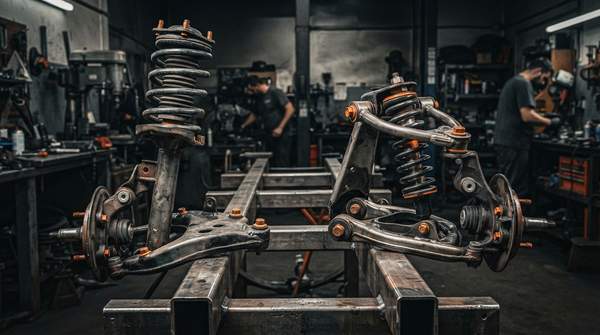
ADAS calibration is required after common repairs like windshield replacement, bumper or grille repair/repaint, Paintless Dent Repair (PDR) near sensors, suspension or wheel alignment, and frame or structural straightening, according to ERPSocal. These routine services, often seen as minor, directly impact the alignment and functionality of critical safety sensors. Skipping ADAS calibration means the vehicle no longer operates as designed, even without warning lights. Drivers unknowingly operate vehicles with compromised safety systems, as the absence of dashboard warnings provides a false sense of security despite critical ADAS malfunctions.
The Different Ways ADAS Systems Get Calibrated
A 2023 Ford F-150's Central Camera Module (CC-M) requires dynamic calibration, a road procedure, unlike static calibrations that use targets in a controlled shop environment. ADAS calibration extends beyond major collision repairs, encompassing routine maintenance and minor bodywork. ADAS calibration is a pervasive and often overlooked requirement for almost any vehicle service. Autel offers a free tool, the ADAS Setup & Reverse Lookup Guide on autel.us, to determine vehicle coverage. ADAS calibration is not a simple plug-and-play process; it demands highly specific, millimeter-level precision and varies between static bay setups and complex dynamic road procedures, highlighting the specialized expertise and equipment required.
When ADAS Goes Wrong: The Hidden Dangers
Incorrect ADAS calibration can lead to misread lane markings, delayed emergency braking, incorrect distance detection, and false or no warnings. Improperly calibrated ADAS features actively endanger drivers by failing to perform their intended safety functions. Forward collision warning and automatic emergency braking systems may activate too late, fail to detect obstacles, or misjudge vehicle distance when calibration is incorrect, according to Tiresupplynetwork. Repair facilities failing to perform mandatory ADAS calibrations expose themselves to significant negligence and liability lawsuits if an accident occurs due to improperly functioning systems.
How to Ensure Your ADAS is Properly Calibrated
Repair facilities must invest in proper ADAS calibration training and equipment to meet manufacturer specifications, utilizing specialized diagnostic tools and precise procedural guidelines for each vehicle. Vehicle owners should inquire about ADAS calibration services whenever their vehicle undergoes repairs that might affect sensor alignment. Reputable facilities will provide documentation confirming correct ADAS system calibration post-repair. A proactive approach ensures vehicle safety features operate as intended.
Frequently Asked Questions About ADAS Calibration
How often does ADAS need calibration?
ADAS systems primarily need calibration after specific events like collisions, windshield replacements, or suspension work, rather than on a fixed schedule. However, growing recognition of ADAS calibration's importance is evident: the Subcommittee on Commerce, Manufacturing, and Trade forwarded H.R. 6688 to the full committee on February 10, 2026, according to adasdepot.com. Legislative action suggests future mandates for regular checks could emerge.
The Bottom Line: Safety, Liability, and Your Vehicle
The precise calibration of advanced driver-assistance systems is fundamental to vehicle safety. Uncalibrated ADAS systems, post-common repairs, transform intended safety features into unpredictable liabilities, creating a hidden epidemic of unsafe vehicles. Skipping required calibration exposes repair facilities and vehicle owners to negligence and liability risks if an accident occurs due to improperly functioning ADAS, according to ERPSocal. By Q3 2026, repair facilities that do not prioritize accurate ADAS calibration, utilizing tools from manufacturers like Autel, will likely face increased scrutiny and legal challenges for compromised vehicle safety.