How Do Modern Vehicle Braking Systems Work and Get Maintained?

In an automatic emergency stop at 60 mph, advanced braking systems like ZF TRW's Integrated Brake Control could halt a vehicle up to 10 yards sooner than conventional systems, according to Motor .

LO
Luis Ortega

May 29, 2026 · 3 min read

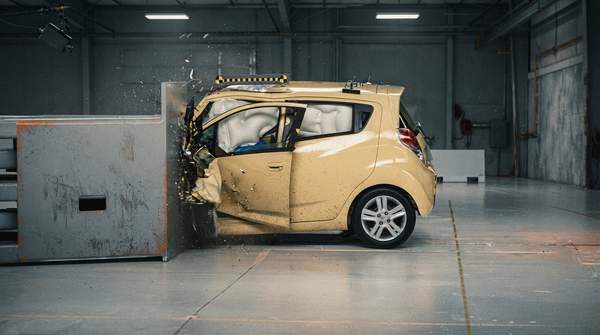
A modern car executing a rapid emergency stop, highlighting the effectiveness of advanced braking systems in reducing stopping distance on a wet road.

In an automatic emergency stop at 60 mph, advanced braking systems like ZF TRW's Integrated Brake Control could halt a vehicle up to 10 yards sooner than conventional systems, according to Motor. This 10-yard reduction directly enhances safety in emergencies. Such performance defines modern vehicle braking in 2026.

Modern braking systems offer unprecedented safety and efficiency, but their complexity demands drivers be vigilant about new maintenance indicators and operational quirks. The integration of electronic controls and regenerative capabilities introduces nuances not present in hydraulic-only setups. This sophistication shifts responsibility to drivers: understand these systems or risk compromising the very safety and efficiency they provide. Ignoring new indicators risks diminished performance or higher repair costs.

Modern braking systems rely on core hydraulic and mechanical components. Brake boosters, for instance, amplify pedal force, reducing effort and providing consistent feel, according to The Art of Manliness. Following the booster, the master cylinder distributes fluid equally to all four brakes, preventing uneven pull. Modern master cylinders often include dual brake systems with two reservoirs, providing a critical fail-safe against leaks or blockages, also detailed by The Art of Manliness. Together, these components ensure both power assistance and crucial redundancy for daily operation.

The Next Generation: Integrated and Regenerative Braking

The 10-yard shorter stopping distance offered by systems like ZF TRW's Integrated Brake Control masks a critical new challenge: drivers must now understand complex system limitations, such as restricted regenerative braking in electric vehicles, or risk misinterpreting normal operation as a malfunction. Regenerative braking in EVs may restrict if the battery is very full or very cold to protect the pack, according to Recharged. This designed limitation requires drivers to adapt to new operational nuances, not simply enjoy enhanced safety and efficiency. Drivers must differentiate between a system's designed limitations and actual malfunctions for optimal performance.
Warning Signs: Recognizing Braking System Issues

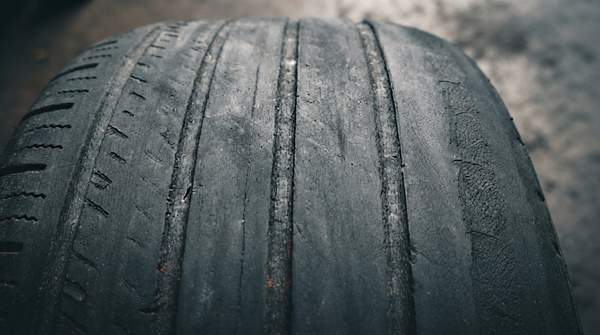
A pulsating brake pedal signals uneven pad wear or warped rotors, according to Complete Automotive 417. This demands immediate attention to prevent further damage and ensure consistent performance. Do not dismiss such changes. A sinking brake pedal suggests a fluid leak or air in the lines, also noted by Complete Automotive 417. Vibrations during braking can also indicate warped rotors, affecting stability. These traditional signs of trouble now coexist with new, system-specific operational limitations. Drivers must differentiate between a critical malfunction and a designed, conditional restriction.

Maintaining modern braking systems requires regular inspections. Technicians must assess brake fluid levels and condition; contaminated or low fluid compromises hydraulic pressure and system response. Adhere to manufacturer service intervals for component checks. Drivers must also understand their vehicle's specific braking indicators, especially for EVs or hybrids. Knowing how regenerative braking changes with battery state or temperature helps differentiate designed characteristics from mechanical faults, reducing diagnostic costs and ensuring optimal function.

What are the main components of a modern braking system?

A modern braking system includes brake calipers, which house the brake pads, and brake rotors that the pads grip to create friction. It also features anti-lock braking system (ABS) sensors at each wheel to monitor wheel speed, preventing lock-up during hard braking. These components work in conjunction with the master cylinder and brake booster to provide comprehensive stopping power.

How often should brake fluid be changed in a 2026 vehicle?

Brake fluid in a 2026 vehicle should typically be flushed and replaced every two to three years, or approximately every 30,000 to 45,000 miles. This is because brake fluid is hygroscopic, meaning it absorbs moisture over time, which can lower its boiling point and lead to corrosion within the braking system. Consult your vehicle's owner's manual for precise manufacturer recommendations.

What is the difference between ABS and standard brakes?

Anti-lock Braking Systems (ABS) prevent wheel lock-up during hard braking by rapidly modulating brake pressure to each wheel, allowing the driver to maintain steering control. Standard brakes, without ABS, apply continuous pressure to the wheels, which can cause them to lock and result in a skid, leading to loss of control. ABS significantly enhances safety by optimizing traction during emergency stops.

As manufacturers like ZF TRW continue to integrate advanced braking features by Q4 2026, ongoing driver education will likely become critical to fully leverage these innovations and avoid misinterpreting system behavior.