In 9 out of 10 cases, a vehicle's sagging front or rear end isn't a catastrophic system failure, but rather a problem isolated to a single strut or air spring, according to Rebuildmastertech. Properly diagnosing modern vehicle suspension system components in 2026 requires careful troubleshooting to avoid unnecessary expenses.
Modern active suspension systems are designed for sophisticated control and comfort, yet their complexity means common issues are often misdiagnosed by the untrained eye. These advanced systems can mask the true root causes of failure, making simple problems appear intricate.
Vehicle owners and DIYers are likely to waste time and money replacing components that are merely symptoms, rather than addressing the true root cause of suspension problems, unless they adopt a more systematic diagnostic approach.
A vehicle with a drooped corner often indicates a localized issue, not a widespread system collapse. A single side of the vehicle sitting lower frequently points to a failure in an individual component rather than the entire suspension system. Understanding this distinction can save considerable diagnostic effort and repair costs.
The Sophistication and Limits of Active Suspension
Despite their advanced capabilities, active suspension systems have limits beyond which they cannot compensate, as detailed by Edmunds. When these systems reach their operational boundaries, the vehicle's springs respond directly, indicating the system is no longer actively managing ride height or damping. While the system attempts to correct issues, its inherent limitation means it can also obscure the initial, often simpler, failure point. The system's compensatory actions can make a single isolated problem appear as a complex, system-wide malfunction, complicating diagnosis for the average owner.
Pinpointing the Problem: Visual Cues for a Drooping Corner
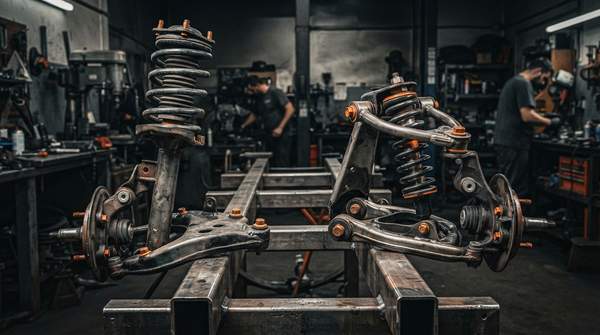
Observing a single corner of the vehicle drooping lower than the rest is typically a telltale sign of a failed air spring at that specific wheel, according to Rebuildmastertech. A drooping corner provides a direct and immediate diagnostic indicator. Mechanics should start their inspection at the affected corner, looking for physical damage or air leaks around the air spring or strut assembly. A focused visual inspection can streamline the troubleshooting process, leading directly to the component requiring attention.