What is Smart Home Automation for Energy Efficiency?

Creating a basic smart home setup demands an upfront investment ranging from $2,000 to $4,000, according to Gearbrain .

SR
Scott Ramirez

May 3, 2026 · 3 min read

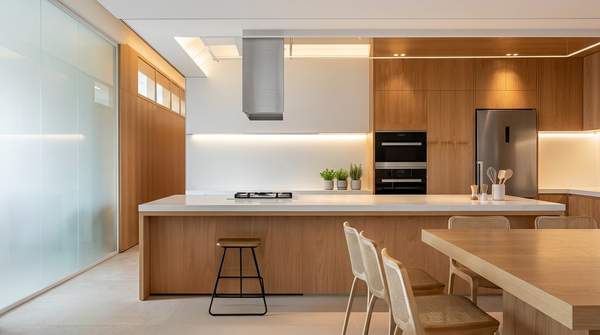
A modern living room showcasing integrated smart home technology for enhanced energy efficiency and comfort.

Creating a basic smart home setup demands an upfront investment ranging from $2,000 to $4,000, according to Gearbrain. This initial financial outlay is a notable barrier for many homeowners. However, the market is projected for massive growth, indicating strong perceived value and return on investment. Therefore, consumers and utilities increasingly recognize the strategic value of smart home technology, suggesting intelligent energy management will become standard, not a luxury.

What is Smart Home Automation for Energy Efficiency?

Smart technologies—like thermostats, lighting, appliances, and outlets—optimize a home's energy use. These devices reduce waste and lower utility bills, according to ACEee. Integrated systems offer granular control, allowing homeowners to schedule device operation, monitor usage in real time, and automate responses to environmental changes. This control directly translates into lower monthly expenses and a more efficient household.

The Upfront Investment vs. Long-Term Savings

While a basic smart home setup costs $2,000 to $4,000, these costs are increasingly viewed as a strategic investment, not just an expense. This investment yields significant returns through reduced energy bills over time. Homeowners gain tangible financial benefits and contribute to a more sustainable energy model. The long-term savings often outweigh the initial installation costs, making it a financially sound decision.

A Booming Market Driven by Efficiency Demands

The global smart home market is projected to reach $633.20 billion by 2032, according to Gearbrain. This explosive growth confirms smart technology's widespread value. Specifically, the global smart home energy monitoring devices market is projected to reach USD 8,514.2 million by 2033, growing at a Compound Annual Growth Rate (CAGR) of 17.2% from 2025 to 2033, as stated by Grandviewresearch. These figures confirm that energy efficiency is a primary driver for smart home adoption, validating utility interest and consumer demand for tangible savings.

Beyond the Home: Utilities and Systemic Efficiency

Utilities actively incorporate smart technologies into their energy efficiency and demand response programs, according to ACEee. This marks a shift: smart homes are becoming integral components of national energy infrastructure, not just consumer luxuries. This systemic benefit supports a more resilient and efficient energy grid. Homeowners who delay adoption miss out on personal savings, potential future incentives, and a more stable energy future.

Common Questions About Smart Home Energy Savings

How quickly do smart home devices pay for themselves?

Payback periods for smart home devices vary, but many homeowners report returns within two to five years. This depends on initial investment, local energy rates, and the extent of automation. For example, upgrading to LED smart lighting often provides faster returns due to immediate electricity reductions.

What specific types of smart devices offer the most energy savings?

Smart thermostats, like Ecobee or Nest, optimize heating and cooling. Smart power strips prevent phantom load from electronics. Smart blinds automate natural light and insulation, reducing reliance on artificial lighting and climate control. These devices directly target major energy consumption areas.

Are there government incentives for installing smart home technology?

Many local and federal programs offer incentives for energy-efficient home improvements, including smart home technology. Homeowners should check with their utility providers or government energy departments for potential tax credits, rebates, or grants to offset installation costs and accelerate savings.

If current trends continue, smart home technology appears poised to become a foundational element of residential energy management, likely integrating further into utility grids and offering homeowners sustained financial and environmental benefits.