The US economy currently loses an estimated $1 trillion annually due to delayed work and rising costs from a severe shortage of skilled trades workers. This significant economic drain affects every sector, from construction to manufacturing, creating ripple effects across supply chains and consumer pricing. The impact of industry structural shifts on skilled trades in 2026 is becoming clearer, as this immediate crisis highlights a deeper, evolving challenge.
However, the demand for skilled trades is at an all-time high, even as technological advancements like prefabrication and robotics are simultaneously poised to redefine or potentially reduce the need for human labor in these roles. This creates a tension where immediate workforce gaps meet long-term automation possibilities.
While the immediate future for skilled trades workers appears robust due to critical shortages, the long-term landscape will likely require continuous adaptation and upskilling to integrate with evolving technologies, presenting both opportunities and new challenges.
This $1 trillion annual economic drain, reported by Tech Times, proves traditional educational and career pathways are failing to adapt. The substantial cost extends beyond mere project delays. It impacts infrastructure development, manufacturing output, and the overall competitiveness of American businesses. The ongoing deficit means critical maintenance goes undone. New construction projects face significant delays. Specialized services become increasingly expensive and difficult to secure.
A Growing Gap: The Scale of the Skilled Trades Shortage
- 2.1 million — By 2030, an estimated 2.1 million skilled trades positions for electricians, HVAC technicians, plumbers, pipefitters, and maintenance workers could go unfilled nationally, according to Tech Times.
The persistent shortfall reveals a systemic failure to attract and retain talent. This is not a temporary demand spike. It demands fundamental changes in workforce development strategies. This staggering projection shows a deepening crisis that will continue to strain essential industries and infrastructure if not addressed.
Industry's Urgent Call: Companies Scramble for Talent
Major corporations actively seek skilled labor. A robust, immediate market need is evident. It drives recruitment efforts across diverse industries. This sustained demand shows in aggressive hiring campaigns.
| Company | Recruitment Trend (2026) | Industry Impact |
|---|---|---|
| Ford | Increasing recruitment for skilled trades workers | Automotive manufacturing, R&D, maintenance |
| AT&T | Increasing recruitment for skilled trades workers | Telecommunications infrastructure, field services |
Companies such as Ford and AT&T are increasing their recruitment of skilled trades workers, according to CNBC.
While companies like Ford and AT&T scramble to fill immediate skilled trades roles, the quiet rise of prefabrication and robotics means businesses are facing a dual challenge: addressing today's labor deficit while simultaneously preparing for a future where the nature of skilled work is fundamentally redefined.
Beneath the Surface: Technology's Dual Impact on Trades
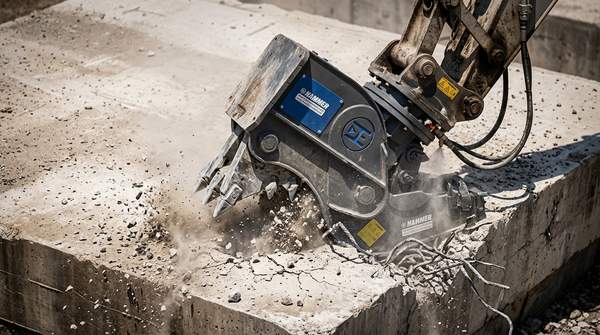
New technologies like prefabrication and robotics are beginning to impact the workload in trade jobs, potentially reducing demand in certain areas. This shift, noted by Fortune, means that while some traditional manual tasks may decrease, new roles requiring oversight, programming, and maintenance of these advanced systems will emerge. The integration of automation requires a different skillset, moving beyond purely physical labor towards more technical and analytical competencies.
While current demand is high, technological advancements are simultaneously reshaping the nature of these jobs and the broader economic landscape, creating a complex future for skilled workers. This evolving environment means that training programs must adapt quickly to equip tradespeople with the skills needed to work alongside or manage automated systems, rather than solely focusing on traditional methods.
The Shifting American Dream: Trades vs. Traditional Paths
AI-driven hiring slowdowns impact some entry-level jobs typically held by college graduates, according to CNBC. This development creates a growing bifurcation in the labor market. Manual, hands-on skills are increasingly valuable. Some white-collar entry points become automated, challenging traditional career paths. The contrast between the severe skilled trades shortage and these AI-driven slowdowns shows a significant divergence in career prospects.
This divergence means a vocational path might offer more immediate job security and upward mobility for many individuals. This holds true more than a traditional four-year degree in certain fields. As some administrative and analytical tasks become automated, demand for practical, specialized skills in fields like electrical work, plumbing, and HVAC systems remains robust and essential.
Navigating the Future: Economic Vulnerabilities and Resilience
The perceived instability of trade jobs during economic downturns is a significant barrier to attracting new talent.
- Trade jobs are highly susceptible to economic downturns because they are closely linked to industries like construction and manufacturing, according to Fortune.
Despite current high demand, the cyclical nature of these industries presents a long-term risk for skilled workers. It requires adaptability and continuous skill development to maintain stability. From my observations covering this sector, job security perception plays a critical role in attracting new talent. This is especially true when comparing vocational paths to seemingly more stable corporate roles. Until policymakers and industries guarantee more consistent employment, the projected 2.1 million unfilled positions by 2030, reported by Tech Times, will remain an intractable problem. Ensuring stable career paths, even during economic fluctuations, is critical for addressing the ongoing skilled labor crisis.
The Enduring Value of Skill: A Path Forward
By Q4 2026, many vocational training programs across the U.S. will likely have updated their curricula to integrate emerging technologies, preparing students for roles that combine traditional craft with digital proficiency.