Advanced building materials for modern construction

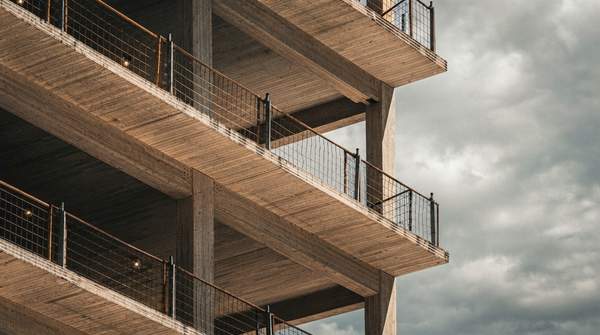
Transparent wood, made from balsa, offers lower production costs than traditional glass, yet remains a niche material in most construction projects.

KB
Kyle Brenner

June 6, 2026 · 6 min read

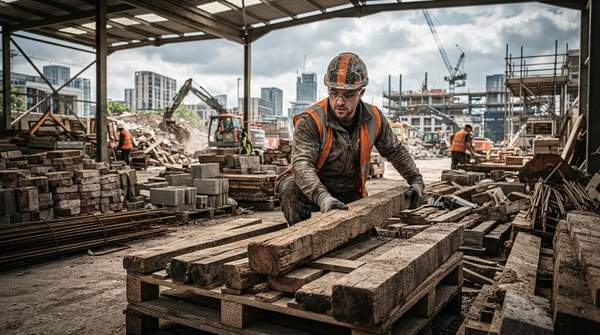
Futuristic construction site with workers using advanced materials like transparent wood and self-healing concrete, highlighting innovation in modern building.

Transparent wood, made from balsa, offers lower production costs than traditional glass, yet remains a niche material in most construction projects. This innovative material, created by soaking balsa wood in a special solution and adding epoxy resin, provides a compelling alternative to conventional building components. Limited adoption of transparent wood highlights a broader challenge within the construction industry: a tendency to overlook long-term value for immediate project expenses.

Advanced building materials promise significant environmental and economic benefits, but their widespread application faces hurdles from high upfront costs and a fragmented industry. This tension defines much of the current debate around sustainable construction. The industry's reliance on established practices often prevents the integration of materials that could reduce overall lifecycle costs and environmental impact.

Without concerted cross-sector collaboration and policy incentives, the transformative potential of advanced building materials may remain largely unrealized. This leads to continued reliance on less efficient and less sustainable traditional methods, perpetuating higher long-term costs and environmental impact despite the clear advantages of modern solutions.

Exploring Transparent Wood and Other Innovations

Transparent wood, crafted from balsa, offers superior performance and even cost advantages over traditional options. The process involves removing lignin from balsa wood and impregnating it with a transparent polymer, typically epoxy resin, as detailed by Planradar. The material is not only translucent but also possesses a higher strength-to-weight ratio than glass, alongside better insulation properties.

Its unique composition allows light to pass through while maintaining the structural integrity and thermal benefits of wood. Its unique composition makes transparent wood a strong candidate for applications requiring both transparency and energy efficiency, such as advanced windows or translucent structural elements. Despite its lower production costs compared to glass, Limited market penetration of transparent wood underscores the industry's slow embrace of novel building solutions.

What Are Advanced Building Materials?

Advanced building materials encompass a range of innovative substances designed to enhance construction performance, durability, and sustainability. These materials often feature improved thermal insulation, greater strength, lighter weight, or reduced environmental footprints compared to conventional options. Advanced building materials represent a critical shift towards construction practices that actively mitigate environmental harm.

One key aspect involves supplementary cementitious materials (SCMs). These materials, such as fly ash or slag, significantly reduce construction's environmental impact by decreasing the amount of Portland cement required, according to ScienceDirect. Reducing cement production, a major source of carbon dioxide emissions, is vital for achieving greener building practices. The development of such materials is crucial for addressing climate goals within the construction sector.

Beyond Materials: Advanced Construction Techniques

Integrating advanced materials with modern construction techniques unlocks significant gains in speed, cost-effectiveness, and energy efficiency for new builds, redefining project delivery. Advanced building construction techniques like off-site manufacturing, robotics, and digitization can lead to faster, more affordable new construction with better energy performance, as highlighted by Energy. Off-site manufacturing, robotics, and digitization streamline the construction process, moving away from traditional, labor-intensive on-site work.

Off-site manufacturing, for instance, allows for the prefabrication of building components in a controlled factory environment. Off-site manufacturing minimizes waste, improves quality control, and reduces construction time on site. When combined with advanced materials, these techniques create structures that are not only quicker to erect but also more resilient and energy-efficient. The synergy between material innovation and process improvement is essential for modernizing the construction sector.

The Hurdles: Why Aren't They Everywhere?

The widespread application of advanced building materials and techniques faces considerable challenges, particularly from high initial costs. Despite their clear advantages, significant upfront investment, specialized knowledge, and complex regulatory landscapes prevent many promising advanced materials from reaching mainstream use. Challenges to adoption include high initial costs, requirements for technical expertise, and regulatory barriers, according to ResearchGate.

The 'high initial cost' barrier is not uniform. While carbon fiber is inherently expensive and its widespread application in construction is restricted by its high cost, as noted by Planradar, other materials like transparent wood boast lower production costs than their traditional counterparts. The problem often lies less with a material's inherent expense and more with the broader industry's resistance to initial investment and adaptation. The construction sector's focus on immediate project costs over long-term lifecycle savings consistently chooses more expensive and less efficient traditional methods, despite the clear economic and environmental benefits of advanced materials. The industry's fragmented nature and lack of cross-sector collaboration directly contribute to these hurdles, preventing advancements that could make advanced materials more accessible and affordable.

The Long-Term Payoff: Why Investing Now Makes Sense

The initial investment in advanced materials is justified by substantial long-term savings and reduced maintenance, making them a financially sound choice over a building's entire lifespan. Advanced building materials (ABMs) could lead to overall lower lifecycle expenses despite initial high costs, potentially eliminating the need for repairs for relatively long periods, according to Asite. The long-term payoff shifts focus from immediate procurement costs to the total cost of ownership, encompassing energy consumption, maintenance, and potential future repairs.

For homeowners and developers, embracing these materials means constructing buildings that are not only more durable but also significantly more energy-efficient. A building with advanced insulation and structural components will require less energy for heating and cooling, leading to lower utility bills over decades. The long-term financial benefit, coupled with reduced environmental impact, presents a compelling argument for overcoming initial adoption barriers.

Bridging the Gap: How to Accelerate Adoption

What are the benefits of using advanced construction materials?

Advanced construction materials offer numerous benefits, including improved energy efficiency, enhanced structural integrity, and reduced environmental impact. For example, some innovative materials are designed to be self-healing, minimizing the need for frequent repairs and extending the lifespan of structures significantly. Self-healing materials contribute to lower overall operational costs and a smaller carbon footprint throughout a building's existence.

How do new building materials impact sustainability?

New building materials impact sustainability by reducing waste, lowering embodied energy, and improving building performance. Materials like bio-based composites or recycled aggregates decrease reliance on virgin resources and offer pathways to carbon-neutral construction. Their integration into projects can dramatically lower a building's lifecycle environmental impact, addressing global climate goals. Without aggressive cross-sector collaboration and a commitment to upskilling, the promise of faster, more affordable, and energy-efficient construction through advanced techniques will remain an unrealized potential, leaving the industry stuck with expensive, outdated practices.

What are the latest trends in home building materials?

The latest trends in home building materials focus on smart, adaptable, and eco-friendly solutions. This includes phase-change materials for thermal regulation, aerogels for superior insulation, and modular components for rapid assembly. These trends prioritize both occupant comfort and environmental responsibility, aiming to create homes that are not only high-performing but also responsive to changing environmental conditions.

The Future of Building: Sustainable, Efficient, and Smart

The imperative to move beyond outdated construction practices is clear; advanced materials and techniques offer the only viable path to create buildings that are truly sustainable, cost-effective, and resilient. Current construction methods often make buildings more expensive and less desirable, with lagging labor productivity increasing costs and limiting energy-efficient technologies, according to Energy. To achieve a future where homes are built faster, more affordably, and with superior energy performance, a concerted effort is required from all stakeholders. This includes collaboration between research institutions, material producers, and the architecture, engineering, and construction (AEC) sector for successful development and production of ABMs, as noted by Asite.

By 2026, widespread adoption of advanced building materials and techniques could see modular construction firm InnovateBuild achieve a 30% reduction in project timelines for residential developments. This would allow them to deliver sustainable, energy-efficient homes at a more competitive price point, challenging traditional construction methods directly.