Materials

A Guide to Insulation Materials: Understanding Properties and Applications

Even a small gap in insulation can drastically reduce its effectiveness. This guide breaks down insulation materials, their properties, and applications to help you make informed decisions for any project.

KB
Kyle Brenner

March 30, 2026 · 9 min read

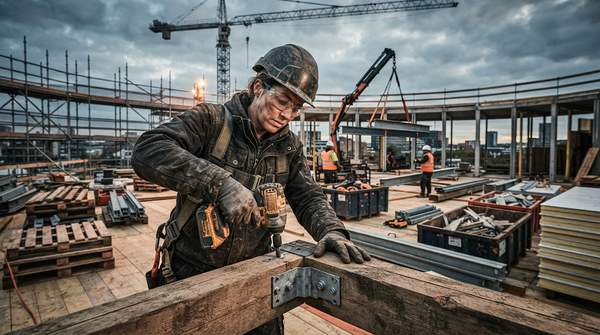
A detailed, cinematic image showing different types of insulation materials like fiberglass, spray foam, and rigid boards being installed in a modern building under construction, emphasizing energy efficiency.

Did you know that a seemingly minor 4 percent gap in a wall's fiberglass insulation can reduce its overall effectiveness by as much as 30 percent? According to the American Society of Home Inspectors, Inc., that small oversight can have a massive impact. This single fact highlights a critical truth in construction: the material is only as good as its installation. This comprehensive guide to insulation materials, their properties, and applications will break down what you need to know to make informed decisions for any project, from a simple attic top-up to a full commercial build-out. Let's get our hands dirty and dive into the science of staying warm in the winter and cool in the summer.

Understanding insulation is fundamental for any tradesperson, builder, or serious DIYer. It's the unseen hero of a building's performance, directly impacting energy consumption, occupant comfort, and even structural longevity. With a wide array of materials on the market, each with unique characteristics, choosing the right product for a specific application is crucial. This guide will walk you through the core principles of thermal resistance, explore the most common materials you'll encounter on a job site, and emphasize the installation techniques that ensure you get the performance you paid for. Proper insulation isn't just about meeting code; it's about building smarter, more efficient, and more comfortable spaces.

What Is Insulation?

Insulation is any material used in a building to reduce or slow the rate of heat transfer between different temperature zones. Think of it like a high-quality thermos for your home or office. In the winter, it works to keep the heat generated by your furnace inside, and in the summer, it keeps the sun's oppressive heat out. The primary purpose of insulation is to create a thermal barrier, making a building's heating and cooling systems more efficient. This translates directly into lower energy bills and a more stable, comfortable indoor environment year-round.

The magic behind most common insulation materials isn't in the solid material itself, but in the air it traps. The American Society of Home Inspectors notes that tiny, still air pockets within fibrous or cellular insulation do the heavy lifting of slowing down heat movement. The solid material—be it glass fibers, plastic foam, or paper—serves to hold these pockets in place and reduce direct heat radiation. Insulation is generally categorized by its composition and the form it takes, which dictates how and where it is used. The main categories include:

  • Fibrous: Composed of small-diameter fibers, this category includes materials like fiberglass and mineral wool.
  • Cellular: Made of small, individual cells, this includes foam products like polystyrene and polyurethane.
  • Granular: Composed of small nodules or flakes, this category can include materials like cellulose or vermiculite.

These materials are then manufactured into several common forms, each suited for different applications. You'll find insulation as flexible batts and blankets, rigid boards, loose-fill that can be blown into cavities, and foams that are sprayed or injected into place.

Comparing Insulation Properties: R-Value and Beyond

When you're comparing insulation materials, the conversation almost always starts with R-value. This is the single most important thermal property to understand, but it's not the only factor that matters. The devil's in the details, and a true professional looks at the complete performance profile of a material before making a selection. R-value is a measure of a material's thermal resistance, or its ability to resist the flow of heat. The higher the R-value, the greater the insulating power per inch of thickness.

While R-value is the industry standard for rating insulation, it's a component of a larger system of thermal measurements. According to the National Insulation Association's Insulation Materials Guide, other key properties include thermal conductivity, or "K-value." K-value measures the rate of heat flow through a one-inch thickness of a material. R-value and K-value are inversely related; a material with a low K-value has a high R-value. Understanding this helps when you're looking at spec sheets for unfamiliar products.

Beyond thermal performance, an ideal insulation material has several other key characteristics. A report from the American Society of Home Inspectors suggests that the perfect insulation would be inexpensive, durable, moisture- and rot-resistant, non-combustible, and chemically inert. It should also be capable of completely filling building cavities to prevent thermal bypass and act as an effective air and vapor barrier. Of course, no single product excels in all these areas, which is why we have different types for different jobs. The challenge is to match the material's strengths to the application's demands.

Common Insulation Forms and Their Characteristics

To choose the right insulation, compare how different forms stack up. Each excels in typical applications, and understanding these is key to project success.

Insulation FormCommon Material ExamplesKey CharacteristicsPrimary Application
Batts and BlanketsFiberglass, Mineral Wool, CottonPre-cut widths for standard framing; relatively easy to install in open cavities.Unfinished walls, floors, and ceilings.
Loose-FillCellulose, Fiberglass, Mineral WoolBlown into place; excellent for filling irregular shapes and topping up existing insulation.Attic floors, enclosed existing walls, hard-to-reach areas.
Rigid Foam BoardExpanded Polystyrene (EPS), Extruded Polystyrene (XPS), PolyisocyanurateHigh R-value per inch; provides structural integrity and continuous insulation.Foundation walls, exterior sheathing, below-grade applications.
Sprayed/Foamed-in-PlacePolyurethane Spray Foam, Injection FoamExpands to fill gaps and cracks, creating an excellent air barrier.New wall cavities (spray), existing walls (injection), rim joists.

What Are the Common Types of Insulation Materials?

On residential or commercial job sites, several key insulation materials are commonly encountered. Each possesses distinct properties, installation methods, and ideal use cases. Knowing their pros and cons is essential for making the right call and avoiding costly mistakes. We will now detail these common insulation types.

Fiberglass

Fiberglass, the most recognizable insulation, appears as pink, yellow, or white fibrous material made from fine glass fibers. It's available in batts, rolls (blankets), and loose-fill. Fiberglass batts are the cost-effective, widely available choice for insulating between studs, joists, and rafters in new construction or major remodels. Installation requires non-negotiable personal protective equipment (PPE)—gloves, long sleeves, eye protection, and a respirator—due to irritating fibers.

Cellulose

Made primarily from recycled paper products like newsprint, cellulose insulation stands out as an environmentally friendly option, chemically treated for insect and fire resistance. It's typically a loose-fill material, blown into attic floors or densely packed into existing wall cavities. Its key advantage: conforming to and filling irregular spaces with minimal gaps. This makes it ideal for retrofitting older homes with uninsulated walls, a complex task requiring precision, much like a basic woodworking joints guide for DIY projects.

Foam Insulation

Foam insulation, popular for its superior insulating and air barrier performance, comes in two forms: spray foam and injection foam, according to RetroFoam of Michigan. Spray foam, applied as a liquid, expands significantly to fill every crack and crevice in open cavities, ideal for new construction. Injection foam targets existing, enclosed cavities like finished walls. Its primary benefit is creating a nearly airtight seal, drastically reducing energy loss from air leakage.

Rigid Foam Boards

Rigid foam boards are durable, stiff sheets of polystyrene or polyisocyanurate, offering a high R-value for their thickness. These boards are ideal for applications requiring continuous insulation, such as on the exterior of wall sheathing, on foundation walls, or under concrete slabs. They provide a consistent thermal break, preventing heat conduction through wood or steel framing. Taping seams between boards is critical for a continuous air and moisture barrier.

Why Proper Installation Is Everything

You can buy the highest R-value insulation on the market, but if it's installed poorly, you've wasted your money. The performance of an entire wall assembly can be dramatically compromised by gaps, voids, and compression. As mentioned earlier, a 4 percent void in a batt-insulated wall can reduce the R-value by 30 percent. This happens because air can move freely in these gaps, creating convection loops that transfer heat right past your expensive insulation.

A major problem in many buildings is uncontrolled airflow through hidden gaps and holes. This air leakage is a significant source of energy loss and can lead to discomfort from drafts. This is why air sealing is a critical prerequisite to insulating. Before any insulation goes in, every penetration—from plumbing pipes and electrical wires to vents and fixtures—must be sealed with caulk, gaskets, or spray foam. Creating this continuous air barrier ensures that the insulation can do its job effectively. In my experience, a day spent air sealing before the insulation crew arrives is one of the most valuable days in a construction schedule.

Why This Guide to Insulation Materials Matters

Understanding insulation properties and applications extends beyond mere inspection compliance; it directly impacts building energy efficiency, comfort, durability, and safety. Proper insulation creates a direct and significant personal impact on the people who live and work in these spaces. Industry experts note well-insulated homes lower energy bills and maintain year-round comfort, saving money and reducing strain on the energy grid.

Effective insulation and air sealing manage moisture, preventing condensation by keeping surfaces warm. This stops mold, mildew, and rot, protecting structural integrity and improving indoor air quality. From a tradesman's perspective, doing the job right means building something that lasts. Selecting the right materials and installing them with precision is a mark of true craftsmanship and a commitment to quality.

Frequently Asked Questions

What is R-value and why is it important?

R-value is a measurement of thermal resistance, indicating how well a material can prevent the flow of heat. A higher R-value means better insulating performance. It is the primary metric used to compare the effectiveness of different insulation products, helping you choose the right level of insulation for your specific climate and application.

Can I put new insulation over old insulation?

In many cases, yes. For attic insulation, it is common practice to blow new loose-fill insulation directly over existing insulation, provided the old layer is dry and free of mold or contaminants. This can be a cost-effective way to boost your home's R-value. However, you should never place new batts over old, compressed batts, as this can be ineffective. Always remove damaged or wet insulation before adding a new layer.

What is the most common type of home insulation?

Fiberglass, cellulose, and foam are three of the most common types of insulation used in homes today. Fiberglass batts are a frequent choice for new construction in open wall cavities due to their low cost. Blown-in cellulose is very popular for attic floors and retrofitting existing walls. Spray foam is increasingly used in new, high-performance homes for its excellent air-sealing capabilities.

Does insulation need a separate air barrier?

Yes, for most insulation types, a dedicated air barrier is crucial for optimal performance. Materials like fiberglass and cellulose slow heat transfer but do not stop airflow. Uncontrolled air movement can carry heat right through or around the insulation, defeating its purpose. Some materials, like closed-cell spray foam, can function as an all-in-one insulator and air barrier, but in most assemblies, air sealing is a separate, vital step.

The Bottom Line

Choosing insulation demands understanding material properties, building science, and application-specific needs, beyond just R-value. Each type, from fiberglass batts to spray foam, contributes to an efficient, comfortable building envelope. Crucially, final performance hinges on installation quality; even small gaps cause significant energy loss.