How to Choose Sustainable Building Materials for Home Projects

Seeking existing materials for reuse is one of the most eco-friendly actions homeowners can take for home projects, a strategy often overlooked in favor of new, pricier 'green' alternatives.

KB
Kyle Brenner

April 16, 2026 · 3 min read

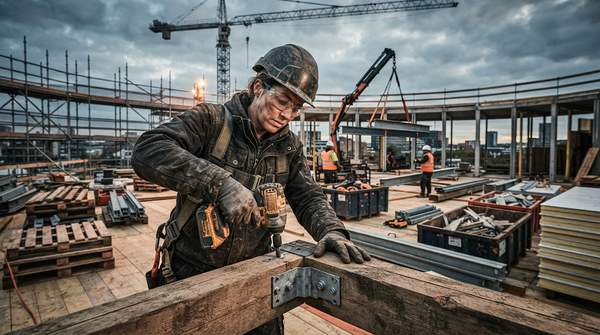
Home renovation featuring reclaimed wood beams, showcasing sustainable building materials and eco-friendly design choices.

Seeking existing materials for reuse is one of the most eco-friendly actions homeowners can take for home projects, a strategy often overlooked in favor of new, pricier 'green' alternatives. This approach, highlighted by Elemental Green, offers immediate cost savings and significantly reduces waste. Yet, many homeowners remain fixated on the initial outlay, perceiving sustainable building materials as prohibitively expensive. This perception creates a barrier, despite clear long-term savings and value. Homeowners must weigh immediate financial outlay against enduring benefits, shifting towards holistic project evaluation.

The Immediate Impact of Material Reuse

Material reuse offers a direct path to sustainability and cost reduction. Salvaging and repurposing existing components bypasses manufacturing and transportation costs of new materials. True sustainability often starts with these simple, accessible choices, not complex, expensive new products. Prioritizing reuse immediately reduces environmental footprint and project expenses, sidestepping common barriers tied to sourcing novel green materials. Focusing solely on new green products can distract from these simpler, more readily available solutions.

Beyond Green: The Tangible Benefits of Sustainable Materials

Green construction materials offer benefits beyond environmental impact, addressing multiple homeowner priorities. Advantages include better energy efficiency, healthier indoor environments, and long-term cost savings, according to Accacia. Sustainable choices also earn green certifications and boost property market value. Investing in sustainable materials offers a multi-faceted return, from personal well-being to a home's resale potential, making the upfront decision strategic.

The Upfront Cost: A Premium, But Not the Whole Story

Environmentally friendly materials typically carry a 5% to 15% upfront cost premium over conventional options, reports Nedesestimating. This initial difference often creates a psychological barrier. However, this premium is a known factor to budget for, and must be weighed against significant long-term gains. Homeowners fixated solely on this 5% to 15% upfront cost overlook a broader financial picture where long-term energy savings and increased market value often turn that premium into a shrewd investment.

Market Dynamics: How Conventional Material Costs Fluctuate

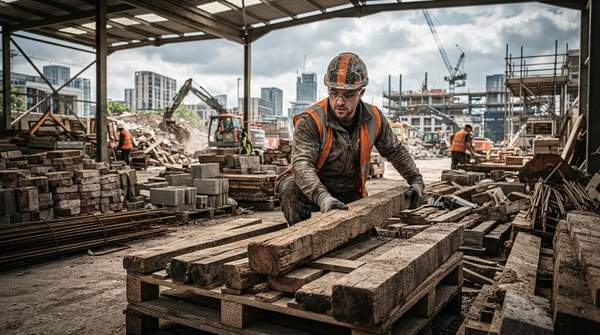
Domestic steel and aluminum prices increased 13% to 20% due to Section 232 tariffs, according to Nedesestimating. This volatility shows conventional material cost advantages are not static. External factors significantly impact traditional options, making the premium for sustainable alternatives less absolute. These 13% to 20% price hikes on conventional materials effectively shrink the perceived cost gap with green alternatives, suggesting the 'prohibitively expensive' label for sustainable options is increasingly outdated and warrants re-evaluation.

Making the Switch: Practical Steps for Sustainable Projects

Homeowners can integrate sustainable practices with careful planning and research. Start by auditing existing structures for salvageable materials. Then, explore local architectural salvage yards or online marketplaces for reclaimed items. Prioritizing material reuse is a highly accessible starting point. For new purchases, research products with certified environmental labels, focusing on durability and lifecycle impact. Consulting a green building expert or experienced contractor provides valuable guidance for larger renovations. For more, see our How Choose Sustainable Building Materials.

Your Green Building Questions Answered

What are some examples of readily available sustainable building materials for home projects in 2026?

Homeowners can find recycled content insulation (denim or recycled plastic), rapidly renewable bamboo flooring, and low-VOC paints and sealants. These options offer environmental benefits and practical applications for various home improvements.

How can I assess the true cost-effectiveness of a sustainable material?

Evaluate true cost-effectiveness beyond the initial purchase price, considering a material's entire lifecycle. Factor in installation costs, maintenance, potential energy savings, and indoor air quality impact. This holistic view reveals long-term financial and health benefits.

By 2026, as homeowners increasingly recognize the broader value of sustainable materials beyond upfront costs, a significant shift towards more sustainable home construction practices will likely occur.