Upfront carbon emissions from new construction between now and 2050 are projected to be responsible for half of the sector's entire carbon footprint, according to the World Green Building Council. This massive impact demands immediate focus on innovations in sustainable building materials and construction practices. The sheer scale of these emissions means every new structure contributes significantly to global carbon levels before it even houses its first occupant.
However, while ambitious targets and regulations push for drastic reductions in embodied carbon, some sustainable materials still present higher upfront costs for developers. This financial hurdle creates a tension for an industry accustomed to prioritizing immediate budgetary concerns over long-term environmental benefits.
Companies that proactively embrace sustainable materials and practices will gain a competitive advantage and mitigate future regulatory risks, even as the industry navigates initial cost barriers. This strategic shift will fundamentally reshape construction practices long before 2050.
The building sector faces a profound challenge. Its historical focus on operational carbon, such as energy efficiency during a building's use, has left it critically unprepared for the immediate and massive impact of embodied carbon. This embedded carbon, released during material extraction, manufacturing, transport, and construction, demands a rapid re-prioritization of design and material choices within the next decade to meet crucial 2030 targets.
The Hidden Carbon Footprint of Our Buildings
Embodied carbon refers to greenhouse gas emissions from materials and construction processes throughout a building's lifecycle, distinct from operational emissions like heating or cooling. The World Green Building Council, through its 'Bringing Embodied Carbon Upfront' report developed with over 200 stakeholders, defines this critical metric. The report confirms a unified global commitment to address these emissions.
Ambitious targets are in place: by 2030, all new buildings, infrastructure, and renovations aim for at least 40% less embodied carbon, including substantial upfront reductions. The long-term vision extends to 2050, targeting net-zero embodied carbon for new constructions, infrastructure, and renovations, according to the World Green Building Council. Achieving these aggressive goals demands a fundamental re-engineering of traditional supply chains and construction methodologies, moving beyond incremental improvements.
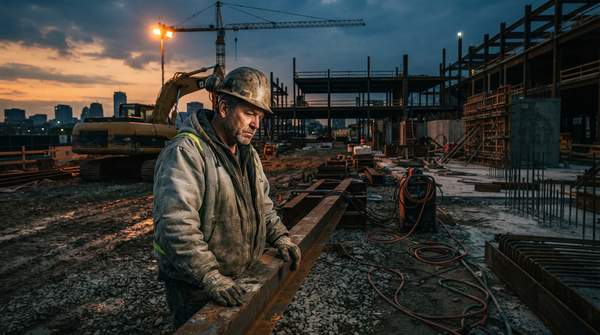
This urgent redirection toward embodied carbon marks a significant re-prioritization. The industry must quickly adapt its material sourcing and design to meet these aggressive targets, recognizing the immediate carbon impact of construction itself. This shift requires a proactive approach to lifecycle assessment, from raw material extraction to end-of-life considerations, for every component.
Navigating New Regulations and Market Demands
California's SB 253 mandates significant emissions reporting for businesses, with Scope 1 and 2 emissions reporting set to begin in 2026. This extends to Scope 3 emissions reporting commencing in 2027, according to Greenbuilder Media. For construction, this means not only tracking direct site emissions but also the embodied carbon within every material sourced and product installed, compelling a full supply chain audit.
Beyond initial reporting, federal guidelines for sustainable buildings require continuous accountability. Buildings must be reassessed every four years, as outlined in the Guiding Principles for Sustainable Federal Buildings from GSA. This ongoing evaluation implies that sustainable building is not a one-time compliance check but an iterative process demanding continuous innovation and adaptation throughout a building's lifecycle.
Despite the regulatory push, market dynamics also shape adoption. Products with sustainability labels showed a 13-14 percent increased demand compared to non-labeled products, as reported by Greenbuilder Media, demonstrating a clear consumer willingness to pay a premium for greener options. However, some sustainable materials can increase upfront construction costs by 2–7%, according to Ingenious. This cost disparity creates a strategic dilemma: companies that hesitate to invest in sustainable materials, citing these upfront increases, risk being outmaneuvered by competitors who effectively leverage this growing consumer demand, ultimately impacting market share.
The convergence of mandatory emissions reporting, regular building reassessments, and growing consumer preference forces the construction industry to embrace sustainable materials. With California's SB 253 and GSA's reassessment requirements, the era of passive sustainability is over; compliance now demands continuous, proactive lifecycle carbon management and a fundamental shift in business operations.
Beyond Compliance: The Strategic Advantage of Green Building
Early adopters of sustainable building practices are positioned to gain a significant market edge. This advantage extends beyond simply meeting regulatory requirements; it involves proactively shaping market expectations and consumer preferences. Companies investing in sustainable materials and methods can differentiate themselves in a rapidly evolving industry.
The continuous reassessment requirement for buildings every four years, coupled with net-zero embodied carbon targets, means sustainable building is not a one-time compliance check. It is an ongoing, iterative process demanding continuous innovation and adaptation throughout a building's lifecycle. This elevates initial material choices to critically long-lasting decisions, directly influencing future operational costs, compliance efforts, and a project's long-term financial viability.
Companies that view sustainable building as an investment rather than merely a cost will unlock long-term value, enhance brand reputation, and attract environmentally conscious talent and clients. This proactive stance helps mitigate future regulatory penalties and reduced demand that traditional construction methods might face.
A Blueprint for a Resilient Future
The push for net-zero embodied carbon is not solely an environmental imperative; it also creates a blueprint for more resilient communities. By prioritizing materials with lower lifecycle impacts, construction projects directly contribute to healthier environments and reduce the strain on natural resources. For builders, this means designing structures that withstand climate impacts, reduce waste streams, and potentially attract public-private partnerships focused on community-level sustainability initiatives.
Future generations stand to benefit significantly from these changes. Reduced carbon footprints mean cleaner air and more stable climates, directly impacting public health and quality of life. The commitment to sustainable building materials and practices helps secure a more livable planet for years to come.
The shift towards net-zero embodied carbon is a foundational step towards creating more resilient communities and a sustainable global infrastructure. This transition moves the industry beyond mere compliance, fostering genuine environmental stewardship and positioning it for long-term societal relevance.
Your Questions About Sustainable Building Answered
What are the most eco-friendly building materials?
While many materials contribute to sustainable construction, options like mass timber, recycled steel, and low-carbon concrete offer significant environmental advantages. Mass timber, for example, sequesters carbon and can reduce construction waste by up to 25% compared to traditional methods, according to a report by the U.S. Department of Energy.
What is the future of sustainable construction?
The future of sustainable construction points towards a fully circular economy, where materials are reused and recycled indefinitely, minimizing waste and embodied carbon. Digital tools for lifecycle assessment and material tracking are becoming standard, enabling precise measurement and optimization of environmental performance from design to deconstruction.
How do sustainable building materials reduce environmental impact?
Sustainable materials reduce environmental impact primarily by lowering embodied carbon emissions, minimizing waste, and decreasing resource depletion. For instance, using local materials reduces transportation emissions, while recycled content diverts waste from landfills and lessens the need for virgin resources. They also often contribute to better indoor air quality and energy efficiency during a building's operational phase.
The Path Forward: Building a Greener Tomorrow
The escalating pressure from regulations like California's SB 253, coupled with growing consumer demand for sustainable products, establishes a clear, unavoidable trajectory for the construction industry. Sustainable materials are no longer optional upgrades; they are fundamental requirements for market relevance and long-term viability.
While absorbing higher upfront material costs remains challenging, it is a necessary step toward mitigating the immense impact of embodied carbon. This shift fundamentally reshapes construction practices, elevating environmental performance to be as critical as structural integrity.
The momentum towards sustainable building is irreversible, demanding proactive engagement from all industry players to shape a more environmentally responsible future. By Q3 2027, construction firms failing to integrate comprehensive Scope 3 emissions reporting, as mandated by California, will face significant compliance hurdles and potential competitive disadvantages.