Initial investments in sustainable building materials can increase upfront construction costs by 2–7%. However, these materials simultaneously reduce operating costs by 15-30% over a 20-30 year period, offering long-term financial relief to property owners. This creates a clear tension for homeowners and developers: balancing immediate expenditure with substantial future operational savings and environmental advantages.
As awareness of total cost of ownership and environmental impact grows, the adoption of sustainable building materials will accelerate, shifting industry standards towards long-term value.
Beyond Wood and Concrete: Exploring Sustainable Material Innovations
Rammed Earth
Best for: Eco-conscious homeowners and developers seeking superior thermal performance and minimal long-term maintenance, willing to absorb higher upfront costs.
Earth placed in layers, often stabilized with 5% to 10% Portland cement. If on-site soil is unsuitable, a specific mix of 70% sand/gravel and 30% clay must be sourced, according to maden. This material offers significant thermal mass, regulating temperature and moisture to reduce heating and cooling loads by 20-52% compared to conventional assemblies, according to Nature. Such efficiency translates directly into substantial long-term energy savings, making the initial investment a strategic choice for operational cost reduction. Maintenance may be limited to reapplying a sealant every 10 to 20 years, according to us.
Limitations: Construction costs for rammed earth range from $300 to $500 per square foot. Formwork alone can consume up to 25% of the total budget, according to maden. This means a rammed earth home can cost 30% to 70% more upfront than a conventional wood-frame home, according to us, making careful budget planning essential despite the long-term benefits.
Price: High initial investment.
High-performance insulation and envelope systems
Best for: Projects focused on significant operational energy savings and improved indoor comfort.

Advanced insulation materials and building techniques create an airtight, well-insulated building shell. These systems consistently reduce energy consumption by 20-40%, according to ingenious, and deliver a 20% to 30% reduction in operational energy consumption annually, according to nedesestimating. This dual impact on energy use translates directly into lower utility bills and a more comfortable, healthier indoor environment for occupants.
Strengths: Substantially reduces heating and cooling demands, leading to lower utility bills. This directly improves occupant well-being and reduces long-term operational overhead, making it a critical component for energy-efficient structures.
Limitations: Requires careful installation to achieve optimal performance; initial cost can be higher than standard insulation.
Price: Moderate to high initial investment.
Mass timber and engineered wood
Best for: Commercial and multi-family residential projects prioritizing rapid construction and reduced embodied carbon.
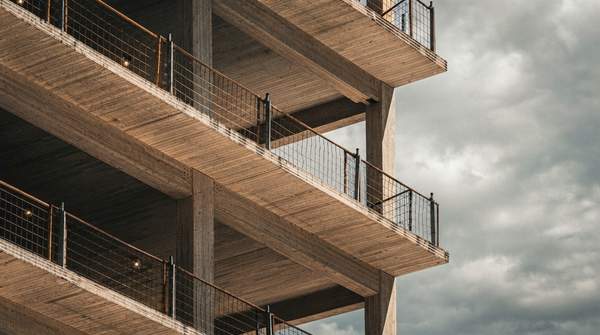
Structural wood products like cross-laminated timber (CLT) or glulam offer strength and sustainability. They can shorten construction timelines by up to 25%, according to ingenious. This efficiency in construction, combined with their inherent sustainability, makes them a compelling choice for projects aiming for both environmental targets and faster project delivery.
Strengths: Provides a lower carbon footprint than steel or concrete. Accelerates construction schedules, which can lead to significant cost savings in labor and project management.
Limitations: Requires specialized structural engineering knowledge; availability can vary by region.
Price: Comparable to or slightly higher than conventional steel or concrete framing.
Compressed Earth Block (CEB)
Best for: Self-builders and projects in regions with suitable soil, aiming for natural thermal regulation and low environmental impact.
Blocks made by compressing soil at high pressure, often without firing. Like rammed earth, walls constructed with CEB can reduce heating and cooling loads by 20-52% compared to conventional assemblies, according to Nature. This inherent thermal efficiency makes CEB a powerful tool for passive climate control, especially in areas with significant temperature swings.
Strengths: Utilizes local soil resources, significantly reducing transportation costs and embodied energy. Offers excellent thermal mass properties, which contributes to stable indoor temperatures. This positions CEB as a highly localized and energy-efficient solution, particularly for regions with abundant suitable soil, minimizing external supply chain reliance.
Limitations: Requires suitable soil composition; structural engineering may be needed for multi-story applications.
Price: Moderate, depending on local soil availability and labor costs.
The Upfront Cost: Rammed Earth vs. Conventional Construction
| Metric | Rammed Earth | Conventional Wood-Frame |
|---|---|---|
| Construction Cost per Square Foot | $300 to $500 | Significantly lower (30-70% less than rammed earth, according to us) |
| Formwork Cost | Up to 25% of total budget, according to maden | Standard, integrated into overall framing costs |
| Initial Investment | 30% to 70% higher than conventional, according to us | Standard market rates |
Long-Term Value: Savings Beyond the Build
While sustainable options like rammed earth often present a higher initial price tag, understanding the specific cost drivers helps in budgeting and managing expectations. The true economic benefit of sustainable materials emerges over time through reduced maintenance, lower energy consumption, and adaptable design, effectively offsetting higher upfront costs.
For instance, maintenance for rammed earth homes may be limited to reapplying a sealant every 10 to 20 years, according to us. This minimal upkeep significantly reduces long-term operational expenses, making the initial investment more palatable over the lifespan of the structure. Beyond this, innovative materials like recycled plastic bricks offer distinct advantages over traditional red bricks, including improved energy efficiency, reduced initial construction costs, and faster installation, according to the utilization of innovative, eco-friendly recycled walls in the development of border regions’ educational buildings in egypt. Some sustainable practices can deliver immediate financial benefits alongside long-term savings, directly challenging the assumption that all eco-friendly options are inherently more expensive.
Addressing Common Concerns: Regulations, Insurance, and Market Dynamics
Sustainable materials, especially those with natural components like rammed earth, face significant hurdles due to material inconsistency. Varying soil composition in rammed earth mixtures, for example, can complicate building regulations and home insurance approvals, according to The Guardian. This lack of standardization makes it challenging for builders to secure consistent approvals and for homeowners to obtain reliable coverage. The market itself is bifurcated: while innovations like recycled plastic bricks offer immediate cost savings and ease of use, high-performance options like rammed earth demand a premium and confront these regulatory obstacles. Bridging this gap will likely require clearer policy incentives and standardized material specifications to accelerate broader adoption.