Top 10 Innovative Sustainable Building Materials for 2026

The global market for sustainable construction materials is projected to swell to an astonishing USD 907.

KB
Kyle Brenner

June 3, 2026 · 5 min read

Futuristic cityscape with buildings made from innovative sustainable materials, highlighting green roofs and advanced eco-friendly architecture.

The global market for sustainable construction materials is projected to swell to an astonishing USD 907.1 billion by 2034, according to GMI Insights. This rapid expansion is further underscored by Coherent Market Insights, which estimates the green building materials market at USD 506.33 billion in 2026, forecasting a 12.5% CAGR through 2033. A transformative period for the construction industry is indicated, driven by both environmental necessity and economic opportunity. However, many developers are still slow to fully integrate these innovations into standard practice, creating both hurdles and significant opportunities. Companies that fail to adapt to this rapidly expanding sustainable materials market risk significant competitive disadvantage and obsolescence in the coming decade. A deep chemical and manufacturing pivot is no longer optional.

Key Innovations Driving the Green Construction Boom

Manufacturers are increasingly focusing on lignin and hydroxymethylfurfural (HMF) cross-linked systems to develop fully bio-based adhesives, according to Grand View Research. This deep molecular shift goes beyond simple recycled content.

1. Carbon-Negative/Sequestering Concrete

Best for: Large-scale infrastructure, commercial buildings.

This concrete variant actively captures and stores atmospheric carbon dioxide, reducing construction's carbon footprint. It also enhances durability and recyclability, offering a direct replacement for high-emission traditional materials.

Strengths: Directly combats carbon emissions; improves material properties. | Limitations: Higher initial cost; limited large-scale availability. | Price: High.

2. Mycelium-based Materials

Best for: Interior finishes, insulation, acoustic panels.

Derived from the root structure of fungi, these materials grow from agricultural waste. They offer lightweight, biodegradable alternatives to plastics and foams, pushing the boundaries of material sourcing.

Strengths: Biodegradable; low energy manufacturing; good insulation. | Limitations: Susceptibility to moisture; limited structural applications. | Price: Moderate.

3. Self-healing Concrete

Best for: Roads, bridges, foundations, critical infrastructure.

This advanced concrete incorporates capsules that release a healing agent when cracks appear. The innovation extends infrastructure lifespan, drastically reducing long-term maintenance costs and improving overall safety.

Strengths: Extends lifespan; reduces maintenance costs; improves safety. | Limitations: Complex manufacturing; higher upfront cost. | Price: High.

4. Green/Natural Insulation Materials

Best for: Residential, commercial, and industrial buildings seeking energy efficiency.

Materials like sheep's wool, hemp, cellulose, and recycled denim offer superior thermal performance with lower environmental impact. With insulation projected to account for 36.9% of the global green building materials market in 2026, according to Coherent Market Insights, these options are critical for meeting energy efficiency targets.

Strengths: Excellent thermal properties; reduced energy consumption; often sourced responsibly. | Limitations: Some types are susceptible to moisture; specific installation requirements. | Price: Moderate to High.

5. Formaldehyde-free Resins

Best for: Adhesives, coatings, engineered wood products, interior finishes.

These resins eliminate toxic formaldehyde emissions, improving indoor air quality and worker safety. As the global formaldehyde-free resins market grows to a projected USD 17.65 billion by 2033, according to Grand View Research, these resins are becoming a standard for health-conscious construction.

Strengths: Enhances indoor air quality; safer for workers; growing market demand. | Limitations: Potentially higher cost than traditional resins; performance variations. | Price: Moderate.

6. Recycled Materials (steel, glass, concrete)

Best for: Structural components, finishes, aggregates, non-load-bearing elements.

Repurposing waste materials significantly reduces landfill burden and energy consumption. Recycled steel, for instance, dramatically lowers the energy needed compared to new steel production, establishing a circular economy model for core components.

Strengths: Reduces waste; conserves resources; lower embodied energy. | Limitations: Quality control can vary; supply chain logistics. | Price: Low to Moderate.

7. Sustainable Timber & Bamboo

Best for: Structural framing, flooring, finishes, decorative elements.

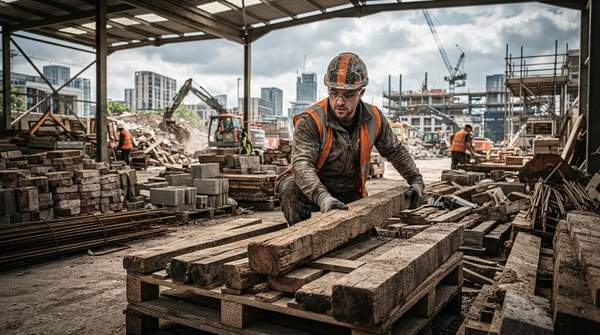
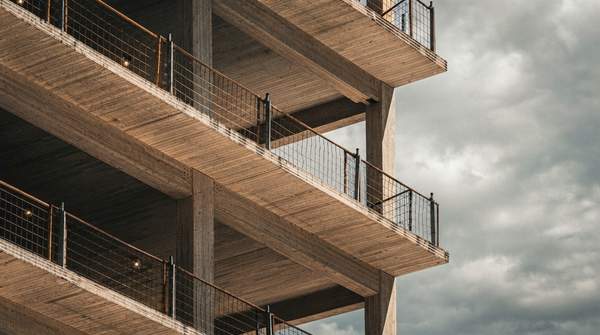
Sourced from sustainably managed forests or rapidly renewable plants, these materials offer strong, versatile, and environmentally friendly alternatives to traditional hardwoods. Their use directly supports forest health and responsible land management.

Strengths: Renewable; carbon sequestration; aesthetically pleasing. | Limitations: Sourcing verification needed; fire resistance concerns. | Price: Moderate to High.

8. Sustainable Aggregates

Best for: Concrete mixes, road bases, drainage systems.

These include recycled concrete, crushed brick, and other industrial byproducts. As the fastest-growing segment, according to Market Research Future, sustainable aggregates are reshaping supply chains and reducing reliance on virgin material extraction.

Strengths: Reduces virgin material extraction; minimizes waste; strong growth. | Limitations: Quality and consistency can vary; local availability. | Price: Low to Moderate.

9. Bio-based Adhesives

Best for: Engineered wood, flooring, non-structural bonds.

Derived from natural sources like plants and animal byproducts, these adhesives reduce reliance on petrochemicals and lower VOC emissions, offering a healthier and more renewable bonding solution.

Strengths: Renewable; lower VOCs; reduced environmental impact. | Limitations: Performance can vary; limited water resistance in some formulations. | Price: Moderate.

10. Low-VOC Paints

Best for: Interior and exterior finishes for all building types.

These paints contain minimal volatile organic compounds, significantly improving indoor air quality and promoting healthier environments for occupants and construction workers. Their widespread adoption is a simple yet powerful step towards healthier indoor spaces.

Strengths: Improves indoor air quality; reduces health risks; wide availability. | Limitations: Potentially higher cost; some performance differences. | Price: Moderate.

Commercial & Industrial Sectors Lead the Charge

The commercial and industrial segment is projected to command a 37.9% market share by 2026, according to Coherent Market Insights, with its construction and building materials component growing at an 11.1% CAGR through 2033, as per Grand View Research. Strong growth confirms that large-scale projects are driving the immediate adoption and investment in sustainable materials. For more, see our How Choose Sustainable Building Materials.

Sector FocusMarket Share (2026)Primary DriversMaterial EmphasisLong-term Asset Value
Commercial & Industrial37.9%Energy efficiency, regulatory compliance, investor mandatesAdvanced insulation, structural components, smart technologiesHigh (enhanced market competitiveness, reduced operating costs)
Residential & OtherLower than C&IConsumer demand, health benefits, localized regulationsInterior finishes, smaller-scale insulation, aesthetic green productsModerate (improves resale, homeowner appeal)

The Forces Fueling Sustainable Construction

The green building materials market is expanding due to increasing awareness of health risks, stricter environmental regulations, and stringent energy-efficiency mandates, according to Grand View Research. This growth is further fueled by the rising adoption of sustainable construction practices and expanding ESG-focused investment, as reported by Vocal Media. The confluence of regulatory pressure, environmental consciousness, and strategic investment creates an undeniable imperative for sustainable construction.

The Future is Green: Rapid Market Growth Ahead

The green building materials market is expected to reach USD 1,154.78 billion by 2033, according to Coherent Market Insights. This figure notably exceeds GMI Insights' projection of USD 907.1 billion by 2034, revealing significant divergence in market projections.ket growth forecasts. Regardless of the exact figures, these projections confirm a transformative period for the construction industry, where sustainable materials will increasingly become the norm. Companies specializing in advanced insulation and large-scale commercial/industrial green solutions appear uniquely positioned to dominate the immediate market.

The rapid evolution of sustainable materials, driven by both innovation and market demand, suggests that companies failing to integrate these solutions will likely face significant competitive pressure and obsolescence within the next decade.