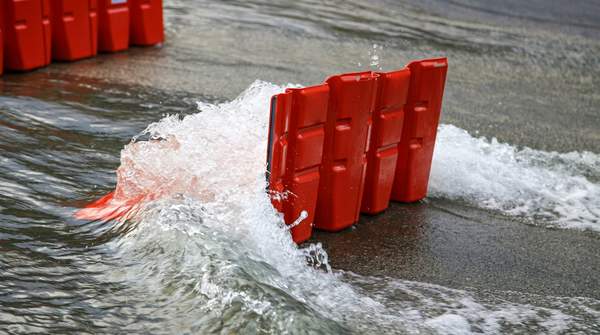
A recent Housepower Report from Hippo Insurance shared a telling statistic: in 2024, 28% of U.S. homeowners felt deeply concerned about their readiness for extreme weather, a noticeable jump from the year before.
While the report centered on weather, the number taps into a broader, growing anxiety about the stability of modern life. For discerning families and high-net-worth individuals, the conversation has shifted from simple alarms and cameras to creating a truly resilient sanctuary.
This is the challenge that specialists at Prepared Life Homes are built to solve, moving beyond conventional security to deliver comprehensive home fortification and strategic relocation services.
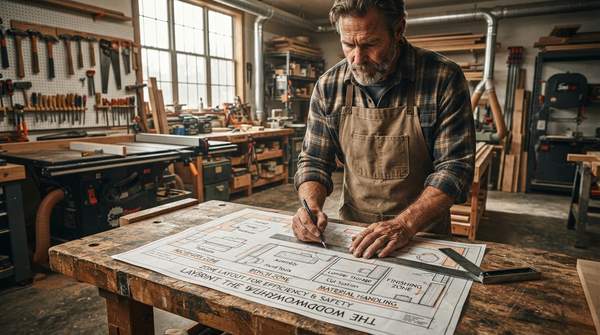
The very idea of home security is transforming as we head toward 2026, shifting from a reactive measure to a proactive strategy of resilience. Drawing on emerging threats and architectural trends, their experts recommend seven essential upgrades for a comprehensive security posture.
1. Foundational Hardening: Ballistic Doors and Windows
The most common entry points for intruders, doors and windows, are also the most vulnerable. A standard home security system alerts you to a breach, but physical hardening prevents it. While upgrading to solid-core doors with reinforced frames and deadbolts is a good baseline, the highest level of protection comes from ballistic windows and doors.
These are no longer just for high-threat government buildings. Modern options blend seamlessly with residential aesthetics while providing critical protection against forced entry and even projectiles. They are a core component of hardening a residence and a priority for any effective fortification plan.
2. Advanced Perimeter Defense and Detection
Security begins at the edge of your property, not at your front door. Newer trends lean toward AI-enhanced perimeter cameras that can distinguish between people, vehicles, and animals, which significantly reduces false alarms. While firms like Vivint are popularizing "Smart Deter" technology, a truly strategic approach involves more.
Prepared Life Homes implements what they call "5D Defensive Land Designs," a layered strategy built to deter, detect, deny, delay, and defend. This involves tactical landscaping, access control at gates, and integrated sensor networks that provide early warnings long before a threat reaches the house itself.
3. Resource Independence: Off-Grid Water and Energy Systems
True resilience is impossible when you're completely dependent on public utilities. A power outage or water main break can render a home uninhabitable within days. That's why two of the most critical home fortification upgrades involve establishing self-sufficiency. This includes:
- Off-Grid Energy: A combination of solar panels, battery storage (like Tesla Powerwall), and a backup generator (propane or diesel) ensures your security systems, climate control, and essential appliances remain operational indefinitely.
- Water Independence: This can range from high-capacity water storage tanks with advanced filtration systems to drilling a private well. Securing a clean, reliable water source is fundamental to withstanding any long-term disruption.
4. Food Security and Advanced Storage
Supply chain disruptions are no longer a theoretical concern. A resilient home needs a plan for both food production and long-term storage. This upgrade can be scaled to fit the property, from a secure, climate-controlled pantry for bulk goods to a fully functional greenhouse or hydroponics system for year-round fresh food production.
It's a key step toward genuine self-sufficient living, insulating your family's well-being from external instabilities.
5. Creating a Secure Core: Panic Rooms and Bunkers
In a worst-case scenario where the perimeter is breached, a fortified inner sanctum is essential. Installing a panic room creates a hardened space within the home where occupants can safely retreat. These rooms are typically equipped with independent communication lines, surveillance monitors, and reinforced construction.
For the highest level of threat mitigation, an underground bunker offers protection from a wider range of events, including civil unrest, extreme weather, or even nuclear, biological, or chemical threats. This is highly specialized work where experts like Prepared Life Homes provide essential guidance on everything from location and construction to ensuring the structure has EMP protection.
6. Resilient Communications Network
When the grid goes down, so do most forms of communication. A fortified home needs a redundant communications plan. This often includes satellite phones or internet terminals (like Starlink), along with short-range two-way radios for on-property coordination. During an emergency, having a reliable way to communicate with the outside world and monitor events is critical for making informed decisions.
7. Threat-Specific Air Filtration (CBRN)
One of the most advanced, yet increasingly relevant, upgrades is a CBRN (Chemical, Biological, Radiological, and Nuclear) air filtration system. These systems must be Integrated into a dedicated shelter (not just into the homes HVAC), these systems can protect occupants from airborne contaminants, whether from an industrial accident, wildfire smoke, or a more malicious event such as a nuclear fallout. This upgrade is the pinnacle of home fortification, transforming a residence into a true life-preservation shelter.
What is home fortification and how is it different from standard home security?
Home fortification is a holistic, structural approach to safety, whereas standard security is primarily about detection and notification. Companies like ADT or SimpliSafe excel at installing alarms and cameras that alert you and the authorities to a problem. Fortification, however, aims to prevent the problem from happening in the first place. It makes the property itself part of the security plan through structural hardening, resource independence, and self-sufficiency.
That's where specialists like Prepared Life Homes come in. Their "Life Preservation Solutions™" encompass everything from the land's defensive layout to the ballistic rating of the windows, creating a truly secure environment rather than just a monitored one.
Prepared Life Homes vs. Traditional Security Companies: A Clear Distinction
Understanding the difference in approach between specialized consultants and mass-market alarm providers is key when deciding how to fortify your home.
- Scope of Work: Traditional security companies focus almost exclusively on electronic monitoring systems—alarms, sensors, and cameras. Prepared Life Homes takes a comprehensive approach, starting with strategic property selection and extending to architectural design, construction, resource self-sufficiency, and defensive planning.
- Methodology: Alarm companies use a product-based model, selling and installing equipment. A firm like Prepared Life Homes employs a threat-based model. They begin with a detailed threat assessment for the client and location, then design a customized, layered security solution to mitigate those specific risks.
- The End Goal: The goal of a traditional security system is notification. The goal of a fortification strategy is resilience. It's the difference between a system that calls for help and a home that can withstand a crisis on its own.
How much does it cost to fortify a home?
It's a common question, but the costs are highly variable. A basic package of structural hardening on an existing home might be a five-figure investment. A comprehensive retrofit including off-grid systems and a safe room will be significantly more. Building a fully fortified, self-sufficient property from the ground up is a major capital investment.
The key is to see it not as an expense, but as an investment in peace of mind, asset protection, and your family's legacy. The true cost is best determined through a professional consultation and threat assessment, which can identify priorities and provide a clear budget.
For a personalized evaluation, you can contact Prepared Life Homes directly at 1-406-241-1795 or email LikenSavage@pm.me, or visit Strategic Relocation / Prepared Life Homes at https://www.strategicrelocation.com.
Future Outlook: Resilience as the New Luxury Standard
The market for home fortification is set to grow, fueled by climate uncertainty, geopolitical instability, and a simple desire for more control over personal safety. Data from the Insurance Institute for Business & Home Safety (IBHS) shows their FORTIFIED program has already issued nearly 90,000 designations for resilient structures, signaling a clear shift in consumer priorities.
Looking toward 2026 and beyond, we can expect resilience to become a key feature in luxury and high-value real estate. Homes will be judged not just on their aesthetics, but on their ability to sustain and protect their inhabitants. Firms like Prepared Life Homes, which blend elite real estate brokerage with life preservation solutions, are leading this shift. Their focus on creating secure, self-sufficient, and strategically located legacy properties is exactly where the high-end market is heading.
For those who believe that history favors the prepared, building a resilient home is no longer an extreme measure; it is the most rational step forward.
To learn more about Strategic Relocation and Prepared Life Homes' approach to resilient, strategically located properties, visit Strategic Relocation.