A "minor" kitchen remodel costs roughly $26,790, yet a simple faucet upgrade can transform the same space for just $200, according to Ecoflow. While minor remodels promise a $25,694 recoupment, per Opendoor, their initial cost often puts them out of reach for budget-conscious homeowners. These larger projects also carry hidden DIY risks. Homeowners seeking genuinely budget-friendly improvements must prioritize small, strategic DIY projects and meticulous planning to avoid financial pitfalls and insurance complications.
Understanding the Real Cost of 'Minor' Improvements
- 30% — Homeowners should spend no more than 30% of their home’s value on renovations to remain financially viable and avoid exceeding property value, according to Fidelity.
- Higher Wages — Labor and materials cost more in bigger cities due to higher wages and transportation, Fidelity states.
These factors mean project viability depends on your property's total value and local market conditions, not just the project's perceived scale.
Truly Budget-Friendly DIY Projects and Smart Savings
1. Properly Sealing Home
Best for: Energy-conscious homeowners seeking utility savings.
Sealing drafts and gaps offers immediate energy efficiency, directly reducing utility bills.
Strengths: Low cost, reduces cooling costs by 15% (Ecoflow) | Limitations: Requires careful air leak identification | Price: Under $100 for materials.
2. Updating Kitchen Faucets
Best for: Homeowners seeking a quick kitchen refresh.
A new faucet significantly changes a kitchen's aesthetic. A matte-black or brushed-gold faucet updates a kitchen for about $200 (Ecoflow).
Strengths: High visual impact for minimal investment, easily DIY | Limitations: Aesthetic change only, not functional overhaul | Price: Around $200.
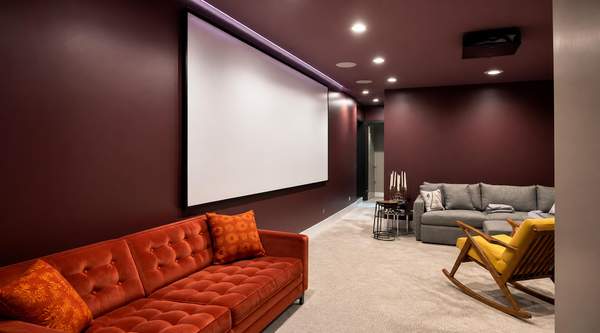
3. Interior Painting
Best for: Homeowners wanting a significant visual change on a tight budget.
Painting rooms offers a dramatic transformation. DIY painting saves significant labor costs (Fidelity).
Strengths: High visual return, significant DIY labor savings | Limitations: Time-consuming, requires preparation | Price: Moderate, primarily paint and supplies.

These projects show that genuinely budget-friendly DIY improvements are strategic, low-risk updates. They provide immediate aesthetic impact or tangible savings without the financial burden of larger renovations.
Navigating Hidden Costs and Risks in DIY
| Consideration | Financial Impact | Risk Level |
|---|---|---|
| Budget Buffer | Add a 15% buffer to initial budget estimates for unforeseen expenses (Ecoflow). | Moderate, if not budgeted for |
| Permits and Regulations | Unpermitted DIY work leads to fines, stop-work orders, or costly rework. Insurance may deny claims for damage from unpermitted work (Ecoflow). | High, potential for significant financial and legal liability |
| DIY Skill vs. Project Scope | Overestimating personal skill causes costly mistakes, requiring professional repair and negating savings. | Moderate to High, depending on project complexity |
Understand these financial and legal pitfalls. Careful planning and adherence to local regulations prevent costly setbacks and ensure insurance coverage.
Making Smart Choices for Your Home and Wallet
Homeowners who prioritize strategic, low-cost upgrades and meticulous planning over expensive "minor remodels" will likely achieve better financial outcomes and reduced liabilities if they adopt this approach by Q4 2026.
Frequently Asked Questions About DIY Home Improvements
What DIY projects add the most value to a home?
Beyond interior updates, enhancing curb appeal through simple landscaping significantly increases home value. Plant new shrubs, maintain a tidy lawn, or add exterior lighting. These small changes create a strong first impression.
What are the best budget renovations for 2026?
Focus on projects with high visual impact and low material cost. Refresh caulk and grout lines, update cabinet hardware, or install new light fixtures. These offer a fresh look without major expense or complexity.
What home improvements can I do myself without special permits?
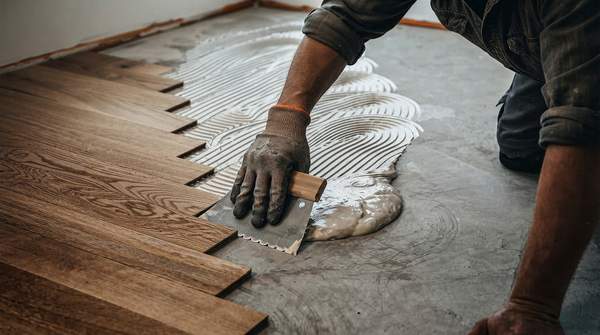
Many cosmetic updates do not require permits: painting, replacing light fixtures, installing new flooring (laminate or vinyl), and minor landscaping. Always verify local building codes before starting any work.