The best interior paint finish for a room is the one that balances two things: the look you want, and the punishment the surface will take. Glossy finishes are easier to clean but show every flaw; flat finishes hide imperfections beautifully but resist scrubbing. Using guidance from paint makers Benjamin Moore and Sherwin-Williams, here is how the five most common sheens compare, and how to match each one to the rooms in your home.
Understanding Interior Paint Finishes: A Quick Guide
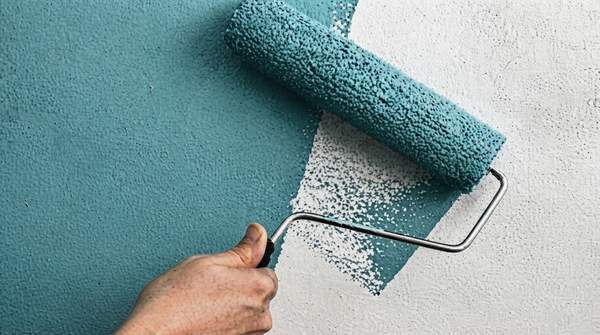
A paint finish, or sheen, is the degree of light reflection a dried paint film gives off—and it changes both how a color reads in a room and how the surface performs. As Sherwin-Williams puts it, choosing the right interior wall paint finish is essential for both aesthetics and durability. The same color can look dramatically different in flat versus high-gloss, and sheen also determines whether a wall can be wiped down or whether a door can stand up to daily handling.
Manufacturers arrange sheens along a spectrum from least to most reflective. At the low end, flat and matte paints give a nearly shine-free, velvety appearance. In the middle sit eggshell and satin, which add subtle shine. At the top, semi-gloss and gloss offer hard-wearing, highly reflective surfaces. The practical rule of thumb from the evidence: more sheen means more durability and easier cleaning, but less ability to hide bumps, patches, and texture irregularities on the wall underneath.
Paint Finish Decision Matrix
Use this matrix to compare the five finishes before you shop. It draws on Benjamin Moore's finish guidance and Sherwin-Williams' sheen chart, comparing each finish on sheen, cleaning performance, flaw-hiding, and recommended rooms or surfaces.
| Finish | Sheen / Appearance | Durability & Washability | Hides Imperfections | Best For |
|---|---|---|---|---|
| Flat | Least sheen; non-reflective, smooth look | Low—stains are harder to remove, and rubbing or cleaning can burnish the surface, leaving shiny spots | Excellent; masks wall imperfections and texture irregularities | Ceilings, living rooms, dining rooms, bedrooms, offices, hallways, exterior siding |
| Matte | Nearly as shine-free as flat; luxurious touch | Slightly more durable than flat; Sherwin-Williams' matte withstands frequent washing even in busy areas like hallways and family rooms | Excellent hide and depth of color | Bedrooms, dining rooms, hallways, kids' rooms, kitchens and baths (walls), living and office spaces |
| Eggshell / Satin | Low, subtle shine with more reflection than flat | More washable than flat finishes | Forgiving of minor flaws thanks to low sheen | Living rooms, dining rooms, bedrooms, offices, kids' rooms, kitchen and bath walls, hallways, ceilings, trim, cabinets, doors and windows |
| Semi-Gloss | Noticeable, subtle shine | Easy to clean; well suited to hard-wearing surfaces | Least forgiving; reflective sheen highlights flaws | Trim and moldings, doors and windows, cabinets |
| Gloss / High-Gloss | The shiniest option available | High durability for demanding surfaces | Poor; maximum reflection exposes every imperfection | Cabinets, doors, furniture, wood trim; a bold accent wall |
The matrix exposes the core trade-off: as shine increases, washability rises while imperfection-hiding falls. That is why the flattest finishes cluster at ceilings and low-contact rooms, while the glossiest cluster at doors, cabinets, and trim—surfaces that get touched constantly but can be prepared smooth.
Choosing the Right Finish for Every Room in Your Home
Benjamin Moore warns homeowners to use caution with flat paint in high-traffic areas that require frequent attention: stains are harder to remove from low-sheen paint, and constant rubbing or cleaning can result in burnishing—shiny patches where the paint has been rubbed. That single fact drives most room-by-room decisions.
High-traffic areas: hallways and family rooms
Hallways take scuffs, fingerprints, and frequent wiping. Flat paint is risky here, but Sherwin-Williams' chart shows matte remains a strong fit for hallways, and Benjamin Moore notes its matte finish withstands frequent washing even in busier areas like hallways and family rooms. Matte gives you flat's hide and depth of color with slightly more durability.
High-moisture areas: kitchens and bathrooms
On Sherwin-Williams' room chart, the sheen columns shift upward for kitchen and bath walls: matte and eggshell/satin are recommended, while flat is not. These rooms need surfaces you can wipe down regularly, so step up from flat even if you prefer the look.
Low-traffic areas: bedrooms, dining rooms, and living rooms
Where walls are touched less, you can prioritize appearance. Flat, matte, and eggshell all earn strong marks for living rooms, dining rooms, and bedrooms, giving you deep color and excellent hide. A matte look, per Benjamin Moore, lends a luxurious touch to bedrooms and dining rooms.
Ceilings, trim, doors, and cabinets
Ceilings sit firmly in flat territory on Sherwin-Williams' chart. For trim, millwork, doors, and cabinets, the chart moves decisively toward semi-gloss and gloss—easy-to-clean sheens that stand up to handling. Gloss is the shiniest option and, per Sherwin-Williams, is intended for surfaces that need a striking appearance and durability, such as cabinets and doors.
Using Sheen for Stylistic Effect and Accent Walls
Sheen is a design tool, not just a maintenance decision. Light interacts directly with sheen: the more reflective the finish, the more it bounces both daylight and artificial light around a room—which brightens a space but also makes surface flaws visible. A flat finish absorbs light, so bumps and patched spots disappear; a high-gloss finish acts like a mirror for every irregularity.
Design-focused guidance suggests several sheen-based style ideas: using a different gloss for the ceiling than the walls, painting one wall in high-gloss as an accent, and choosing different sheens for different elements of a room such as trim or cabinets. "The right finish comes down to how a room is actually used: how much traffic it sees, how much moisture it deals with, and the atmosphere you want to create."
High-gloss is a common choice for bold style statements, but be aware of two caveats. It is noticeably shinier than traditional wall finishes, and getting a clean finish takes skill in application—because gloss highlights surface flaws, walls must be prepared well. An accent wall in the same color as flatter surrounding walls creates subtle contrast; a high-gloss accent creates drama in an otherwise low-sheen room.
Making Your Final Paint Finish Decision
Select the optimal interior paint finish by balancing the desired aesthetic—sheen and imperfection hiding—with the functional requirements of each specific room or surface: durability, washability, and moisture resistance. Start with the room's conditions: contact frequency, moisture, and light. Then check the matrix to find the sheen level that satisfies the hardest-working requirement without sacrificing more appearance than you can accept.
You will know your choice was right within months of living with it: the chosen finish should withstand daily wear, maintain its appearance, and clean easily in its designated area. If instead it shows premature wear, burnished shiny patches from wiping, or staining that will not come out, the sheen was too low for that room's demands—and stepping up one level on the spectrum is the fix.
Sources
- How to Choose a Paint Finish — Benjaminmoore
- How to Choose Paint Finishes — Sherwin Williams