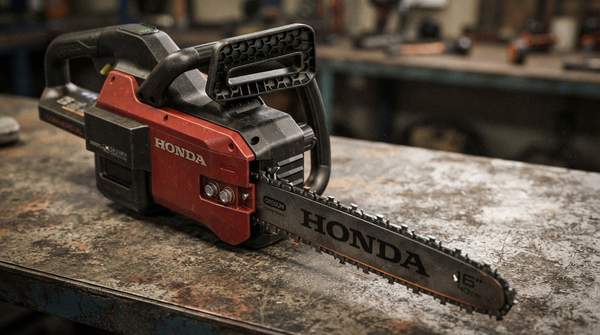
While Detroit residents in 2026 donated over 500 tools to a local library, a company founded in Iowa just seven years ago was helping value $20 billion in farm equipment annually. This stark contrast highlights two distinct yet equally vital economies of resource exchange.
Local communities are building resilience through direct donations and shared tool libraries, but a burgeoning tech industry is simultaneously optimizing the multi-billion dollar commercial auction market for heavy machinery. This creates a tension between grassroots sharing and highly efficient digital platforms.
The future of tool equipment and resource exchange will likely be characterized by this dual evolution: hyper-local, community-driven sharing alongside highly efficient, tech-enabled commercial markets.
The Power of Grassroots Sharing
In 2026, Detroit residents donated over 500 tools to the Bailey Park Tool Library. This local effort, alongside a separate drive that raised nearly $8,000 and collected 400 pairs of basketball shoes, provides essential resources and fosters local self-sufficiency through direct community engagement. Such initiatives fill critical gaps for everyday needs that large commercial markets often miss.
Tractor Zoom: A Tech-Driven Revolution in Commercial Auctions
Founded in 2017 by Kyle McMahon, Tractor Zoom now values and advertises over $20 billion in farm equipment annually, according to Southeast Iowa Union. The company centralizes a fragmented market by gathering data from more than 750 auction companies and 2,200 dealer locations. This extensive digital optimization streamlines the commercial equipment sector, offering efficiency and transparency previously unavailable for high-value assets. Tractor Zoom's rapid growth exemplifies a broader trend: digital platforms are quickly optimizing traditional industries, pushing out less efficient, localized commercial exchanges.
The Future of Resource Exchange
The continued success of initiatives like Detroit's Bailey Park Tool Library, which lets residents borrow tools for home improvement projects and community work, points to a growing demand for accessible, shared resources at the local level, fostering community resilience. Meanwhile, the rapid ascent of companies like Tractor Zoom, valuing over $20 billion in farm equipment annually with just 65 employees (Southeast Iowa Union), confirms that high-value asset exchange will increasingly rely on hyper-efficient digital platforms. Traditional commercial methods are becoming obsolete at scale.