Lowe's Foundation invests $250M in skilled trades training

Lowe's Foundation is investing $250 million over the next decade to train 250,000 skilled trade workers.

RD
Rick Donovan

May 4, 2026 · 3 min read

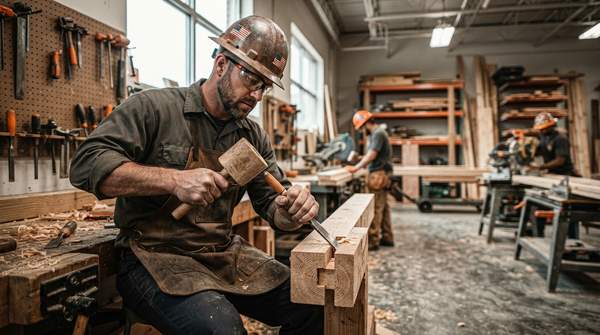
Diverse individuals learning carpentry and electrical skills in a modern training facility, emphasizing the value of human expertise in skilled trades.

Lowe's Foundation is investing $250 million over the next decade to train 250,000 skilled trade workers. This move directly challenges the narrative that AI will automate all blue-collar jobs. The commitment proves enduring demand for human expertise in essential services: plumbing, electrical work, and carpentry. This investment aims to prepare a quarter-million individuals for skilled trades careers by 2035, a clear long-term corporate strategy.

Public conversation focuses on AI displacing workers. Yet, essential blue-collar jobs face a severe labor shortage, demanding massive human investment. This tension exists between technological speculation and the practical needs of industries relying on physical labor and hands-on skills. The talent gap widens across sectors.

Skilled trades offer a robust, valuable alternative to white-collar roles. They will likely see sustained demand and significant investment for decades. This reality drives major retailers like Lowe's to commit substantial resources to workforce development. The focus shifts from automation to empowering human capital for critical infrastructure.

Current Progress and Tangible Results

  • Lowe's invested over $50 million in training programs since 2023, according to MoneyWise. The foundation has since invested nearly $53 million across 65 organizations, reports Charleston Business Magazine. These initial funds laid the groundwork for the broader commitment, supporting diverse training initiatives.
  • The foundation is on track to prepare 50,000 tradespeople by 2027, a year ahead of its original goal, according to Charleston Business Magazine. This early success shows Lowe's initiative is actively delivering results ahead of schedule.

The Human Element: Why AI Can't Climb a Ladder

Lowe's CEO Marvin Ellison stated AI "can't climb a ladder," according to Fox News. This blunt assessment cuts through technological hype, proving the irreplaceable nature of human dexterity, problem-solving, and physical presence in essential skilled trades. The company's focus is on the enduring value of hands-on human skills, as many critical tasks remain beyond current AI capabilities.
The Lowe's Foundation expands its partnership with NCCER to enhance its CareerStarter platform, according to Charleston Business Magazine. This collaboration supports robust industry partnerships for sustained training and certification. Such initiatives keep training pathways accessible, standardized, and aligned with industry needs, fostering a steady supply of qualified professionals.

A National Shortage: The Urgent Need for Skilled Labor

The Associated Builders and Contractors estimates 349,000 net new construction workers are needed this year alone, according to Charleston Business Magazine. This figure reveals a profound, immediate labor deficit impacting critical infrastructure. Lowe's ambitious $250 million, decade-long investment to train 250,000 tradespeople is a drop in the bucket compared to this staggering annual demand in just one segment. This exposes a national crisis, demanding greater, systemic intervention from public and private sectors to close the persistent workforce gap.

Looking Ahead: Long-Term Vision for the Trades

Lowe's Foundation plans to invest $250 million to train 250,000 tradespeople by 2035, according to Charleston Business Magazine. This sustained commitment aims to cultivate a robust pipeline of skilled professionals over a decade. The investment ensures the vitality of essential sectors, addressing projected needs and fostering career growth. This approach builds a resilient workforce, but the scale of the national shortage suggests even this substantial effort will require broader industry and government support to truly close the gap.

Frequently Asked Questions

What prevents more people from entering skilled trades?

The bottleneck isn't a lack of interest, but a shortage of accessible, funded training pathways. Many potential workers lack initial capital or guidance. Initiatives like Lowe's Foundation aim to bridge this gap, providing resources for education and certification, making trades more attainable.

Are there specific trades Lowe's prioritizes in its training programs?

Lowe's prioritizes essential trades: electricians, plumbers, and carpenters. These fields represent critical needs for residential and commercial infrastructure. Programs equip individuals with skills directly applicable to high-demand roles, ensuring quick workforce entry.

What role does NCCER play in Lowe's training initiative?

NCCER, the National Center for Construction Education and Research, partners with Lowe's Foundation to enhance its CareerStarter platform. This partnership develops standardized curriculum and certifications, ensuring trainees receive industry-recognized qualifications. It also connects aspiring tradespeople with training providers and employers, facilitating job placement and career advancement.

If current trends hold, Lowe's investment, while substantial, appears to be a foundational step in a much larger, ongoing effort required to meet the nation's critical skilled labor demands.