Trades

Lowe's Invests $250M in Skilled Trades Amid AI Limitations

Lowe's is committing a quarter-billion dollars over the next decade to train 250,000 plumbers, carpenters, and electricians.

RD
Rick Donovan

April 13, 2026 · 3 min read

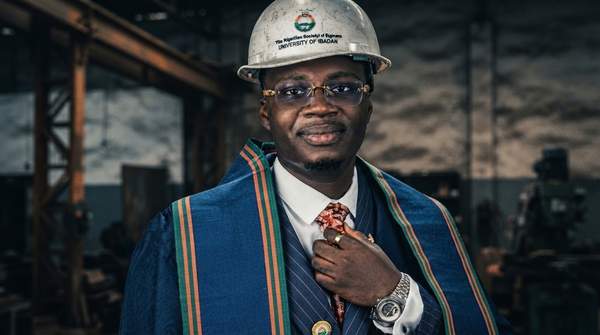
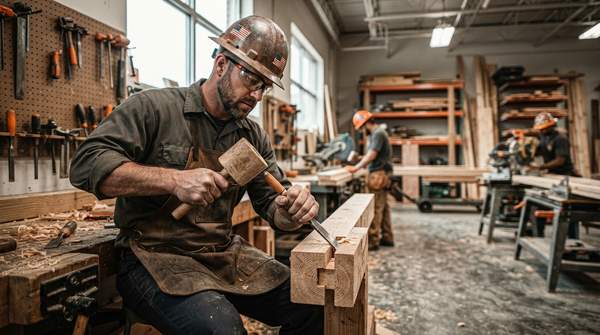
Split image showing a robot arm and a skilled tradesperson, symbolizing the contrast between AI and human expertise in the trades.

Lowe's is committing a quarter-billion dollars over the next decade to train 250,000 plumbers, carpenters, and electricians. $250 million directly addresses critical labor shortages in the skilled trades, ensuring a pipeline of qualified professionals for home improvement projects. The initiative sharply contrasts with the rapid adoption of artificial intelligence (AI) across many other sectors.

While companies race to automate with AI for efficiency, Lowe's is simultaneously making a quarter-billion-dollar bet on the future of human skilled trades, according to 930 WFMD Free Talk. This creates a clear tension between technological advancement and the enduring need for hands-on human expertise.

Lowe's significant investment and the persistent demand for hands-on expertise suggest human skilled labor is poised for a resurgence. This challenges the common narrative that AI will universally displace blue-collar work.

How is Lowe's Investing in Skilled Trades Training?

The Lowe's Foundation is channeling $250 million over the next decade into training 250,000 skilled trade workers, according to Fortune. This comprehensive program targets essential roles: plumbing, carpentry, and electrical work. The funding supports various training initiatives across the United States, aiming to build a robust talent pipeline.

The $250 million commitment builds on over $50 million already invested in training programs since 2023. These earlier efforts included partnerships with nonprofit organizations and community colleges, according to MoneyWise. This history confirms a sustained strategy, not a sudden pivot, solidifying Lowe's long-term conviction in human trades.

The expanding $250 million investment secures a vital workforce for Lowe's extensive operations and the broader home improvement industry. It also signals a shift in corporate responsibility, with a major retailer stepping in to fill a training gap traditionally left to vocational schools or smaller firms.


Lowe's Internal AI Strategy vs. External Human Investment

Lowe's actively employs AI to boost associate sales and improve the shopping environment. The company also leverages AI for workspace productivity, according to The Times of India. This internal AI application streamlines operations and enhances customer experience.

Corporate teams at Lowe's use AI tools to free up merchandising staff for strategic problem-solving. These tools deliver double-digit productivity gains for tech workers, The Times of India reports. This confirms a clear internal focus on AI for efficiency and optimization.

Lowe's' dual strategy—heavy investment in AI for internal efficiency alongside $250 million for human skilled trades—proves AI optimizes processes but cannot create new physical value. Human expertise remains the irreplaceable engine of the home improvement economy.

The Broader AI Landscape: Enthusiasm Meets Resistance

Across industries, companies aggressively adopt AI for efficiency and automation. This trend, driven by a desire for increased productivity and reduced labor costs, seeks competitive advantage through technological leverage.

Lowe's' substantial investment in human skilled trades offers a direct counter-narrative to universal AI replacement. AI excels at data processing and digital tasks, but it cannot perform the physical labor required in construction, repair, or installation. AI's limitations for tasks demanding dexterity, problem-solving in unstructured environments, and direct human interaction remain undeniable.

Despite aggressive AI integration across the broader industry, the unique value of human skills persists, especially in physical trades. The persistence of human skills indicates a complex, evolving relationship with technology, where human expertise retains its critical, non-replicable role. It also implies that companies solely focused on AI for labor replacement risk overlooking essential market demands for tangible, hands-on work.

Implications for the Future of Work

Lowe's' quarter-billion-dollar investment in human skilled trades exposes AI's fundamental limitation: AI optimizes sales and internal productivity, but it cannot build, fix, or install. This confirms physical creation remains an unscalable human bottleneck in the home improvement economy. The company's commitment underscores the enduring demand for human capabilities.

This $250 million, decade-long commitment to training 250,000 tradespeople reveals a profound understanding of market realities. Lowe's recognizes its future growth is bottlenecked not by technology, but by the availability of skilled human hands. This is a challenge AI cannot solve, forcing a strategic reliance on human labor.

This strategic investment by a major retailer solidifies the idea that human skilled trades are not only resilient but increasingly vital. It offers a compelling career path in an AI-driven economy, indicating a future where hands-on expertise commands premium value, even as digital tools proliferate.

If Lowe's sustained investment proves successful, the skilled trades appear likely to offer robust, AI-resistant career paths for decades to come, anchoring the physical economy.