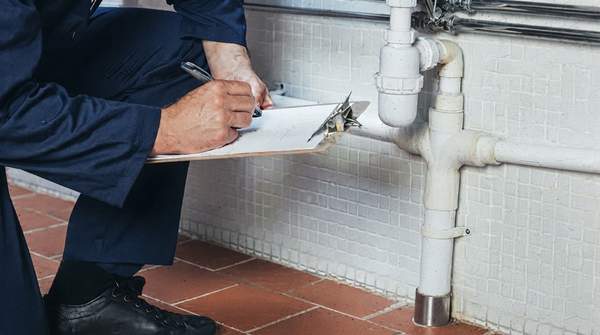
Most homes contain several different plumbing materials at once, and each was chosen for a specific job. The single most useful thing a homeowner can learn is the line between the two systems: pressurized water supply lines, which carry hot and cold drinking water to fixtures, and gravity-fed drain, waste, and vent lines, which remove wastewater. A homeowner's guide from Xtreme Air Services puts it plainly: supply lines need pressure-rated materials like PEX, copper, or CPVC, while drainage systems use PVC or ABS. This guide covers the five pipe types you are most likely to find in a North American home, how to tell them apart, and what warning signs mean trouble.
Introduction to Residential Plumbing Pipes
Plumbing pipes are not interchangeable. The materials running pressurized water to your taps are engineered to hold continuous pressure, while drain pipes are designed to move waste by gravity and must never be substituted for supply work. That distinction explains why a house built in different eras often mixes materials: a 1950s home may have galvanized steel supply lines joined to newer PEX after a renovation, with PVC drains underneath. Understanding what you are looking at helps you judge whether a pipe belongs where you found it, whether a repair used the right material, and when an aging pipe deserves professional attention. This guide focuses on identification and general understanding, not installation steps; local codes govern what is actually permitted, and gas lines are outside its scope.
Identifying Common Plumbing Pipe Materials
PEX, or cross-linked polyethylene, is flexible plastic tubing that snakes through walls and joist bays without the fittings rigid pipes require. It typically comes color-coded — red for hot water, blue for cold, and white for either — and is joined with crimp rings or expansion fittings rather than solder or glue. You will find it only on supply lines, not drains.
Copper is the classic rigid metal supply pipe: reddish-brown in color, straight, and connected by soldered fittings that show as slightly bulbous silver or copper-colored joints. It has been the long-term standard for water supply and is known for durability, though it carries a premium price. PVC and CPVC are both plastic, but they are not the same product; PVC is common on drain lines, while CPVC is rated for hot-water supply use. Galvanized steel, found mostly in older homes, looks like heavy, dull gray metal pipe with threaded fittings, often mottled or rust-stained with age.