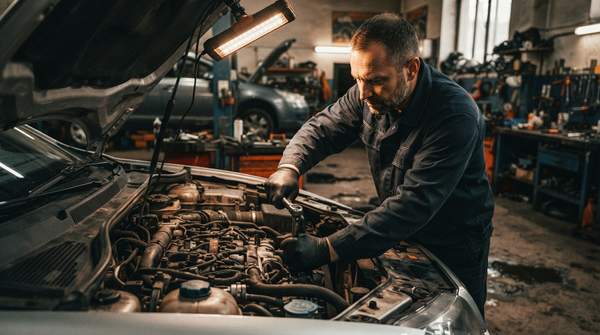
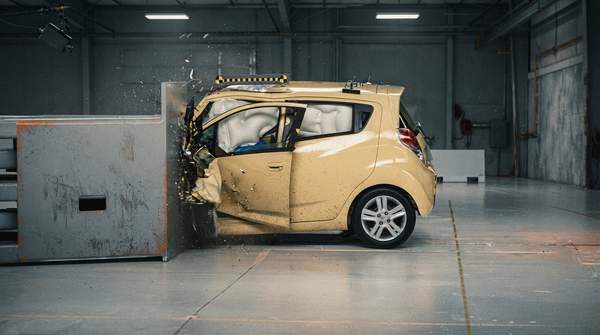
A simple windshield replacement or a minor fender bender can now trigger a mandatory $249 to $599 ADAS calibration, adding hours and hundreds of dollars to your repair bill. This unexpected cost transforms routine maintenance into a significant financial and time burden for vehicle owners. Many consumers may not anticipate these additional expenses when facing what appears to be a straightforward repair.
Modern vehicles are safer than ever with advanced driver-assistance systems (ADAS), offering features like automatic emergency braking and lane-keeping assistance. However, the specialized and costly calibration required for these systems after even minor repairs means many vehicles on the road might have compromised safety features if procedures are skipped or performed incorrectly.
As ADAS technology becomes ubiquitous, the automotive repair industry faces a growing divide between well-equipped specialists and general repair shops, potentially leading to increased repair costs for consumers and a hidden epidemic of improperly calibrated vehicles. This guide explores the complexities of ADAS calibration in 2026, outlining the necessary steps and potential pitfalls.
Understanding Why ADAS Calibration is Essential
Advanced driver-assistance systems (ADAS) are now standard in most new vehicles, providing critical safety functions that prevent accidents and protect occupants. These systems rely on an array of sensors, cameras, and radar units that require precise alignment and programming to function as intended. Any disruption to these components, whether from a collision, a windshield replacement, or even minor bodywork, necessitates a thorough calibration to restore accuracy.
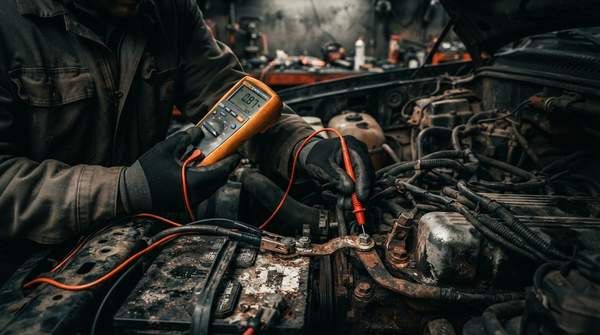
Proper ADAS calibration involves checking sensors with diagnostic equipment, verifying and correcting four-wheel alignment, and performing a road test, according to Activate Group. This foundational process is critical for maintaining the intended safety performance of modern vehicles. Without accurate calibration, features like adaptive cruise control, lane departure warnings, and blind spot monitoring can provide incorrect information or fail to activate, jeopardizing driver and passenger safety.
The integrity of advanced driver-assistance systems depends entirely on their ability to accurately perceive the vehicle's surroundings. A misaligned camera or radar sensor, even by a millimeter, can lead to a significant misinterpretation of distances or object positions at driving speeds. Therefore, post-repair calibration is not merely a recommendation; it is a mandatory procedure to ensure the vehicle’s safety systems operate correctly and reliably on the road. Shops that bypass this critical step face not only compromised vehicle safety but also significant liability risks, underscoring the professional imperative for compliance.
Understanding the Types and Costs of ADAS Calibration
The specific advanced driver-assistance systems requiring calibration dictate the type, cost, and time commitment for the procedure. For instance, a Windshield Camera Calibration costs from $249 and typically takes 60-90 minutes, according to adasline. This procedure is essential after any windshield replacement, as the camera's field of view and alignment can be altered.
More complex systems demand greater time and financial investment. Radar/Sensor Calibration starts from $399 and requires 60-120 minutes, as reported by adasline. This procedure is often needed after repairs involving bumpers or side mirrors. For more extensive damage, Collision Calibration, which addresses multiple systems, also costs from $399 but extends to 90 minutes to 3 hours, according to adasline. The varied durations reflect the intricate nature of these system-specific adjustments, indicating that a simple component replacement can hide significant labor costs.
For comprehensive repairs or after significant impacts, a Full System Reset (all sensors) costs from $599 and can take 2-4 hours, notes adasline. Such procedures demand specialized equipment and trained technicians, setting them apart from traditional automotive repairs. The substantial investment in time and money for these comprehensive ADAS repairs is unavoidable, fundamentally altering repair shop operational models.
The Hidden Risks of Skipping ADAS Calibration
The average cost for an advanced driver-assistance systems calibration ranges between $350 and $500, according to Revvhq. Specific calibrations, like Radar or Blind Spot Monitor, each typically cost $300 to $400, as also noted by Revvhq. These individual system costs, while necessary for safety, can tempt vehicle owners or less scrupulous repair shops to bypass the procedure, viewing them as optional rather than critical safety requirements.
The substantial cost of calibration, even for individual systems, creates a financial incentive for some to skip it, directly compromising vehicle safety. When ADAS systems are not properly recalibrated, their performance can be severely degraded. This might manifest as incorrect warnings, delayed reactions, or complete failure of critical safety features like automatic emergency braking or lane-keeping assistance. Such compromises elevate the risk of accidents, negating the very purpose of having advanced safety technology.
Despite ADAS systems being standard in most new vehicles, the significant time and cost of post-repair calibration means that a growing number of vehicles on the road may have compromised safety features, as owners or shops prioritize cost savings over the mandatory safety procedures outlined by I-CAR and adasline. This situation creates a silent hazard, where vehicles that appear safe are, in fact, operating with impaired safety capabilities, posing risks to their occupants and others on the road. The long-term societal cost of this hidden epidemic—from increased accident rates to higher insurance premiums—far outweighs the immediate savings from skipped calibrations.
How to Ensure Your ADAS Systems Are Properly Calibrated
Ensuring your advanced driver-assistance systems are correctly calibrated after any repair requires diligence and choosing the right service provider. I-CAR provides industry-recognized ADAS training, both online and hands-on, to help collision repair professionals safely repair and calibrate advanced vehicles, according to I-CAR. Seeking out I-CAR certified technicians is a crucial step for consumers to ensure their vehicle's ADAS systems are repaired to industry standards.
When a repair is needed, inquire specifically about the ADAS calibration requirements for your vehicle model and the specific repair being performed. Ask the repair facility to detail their calibration process, the equipment they use, and the training their technicians have received. A reputable shop will be transparent about these procedures and provide documentation of the completed calibration. This proactive approach by consumers is essential to bridge the knowledge gap and hold repair facilities accountable for safety-critical procedures.
Always request a post-calibration report, which confirms that the systems have passed their diagnostic checks and are operating within manufacturer specifications. This documentation serves as proof that the essential safety features of your advanced driver-assistance systems have been restored. Prioritizing proper calibration ensures the continued safety and performance of your vehicle's critical technologies.
Common Questions About ADAS Calibration
What is ADAS calibration and why is it important?
ADAS calibration is the process of realigning and programming the cameras, radar, lidar, and ultrasonic sensors that comprise your vehicle's advanced driver-assistance systems. It is important because these sensors must be precisely aimed and configured to accurately detect obstacles, lane markings, and other vehicles, ensuring critical safety features like automatic emergency braking and lane assist function correctly after repairs or component replacement.
How often does ADAS calibration need to be performed?
ADAS calibration is not a routine maintenance item performed at fixed intervals. Instead, it is required after specific events, such as a collision, windshield replacement, suspension work, wheel alignment, or any repair involving the removal or adjustment of ADAS sensors. Following manufacturer guidelines for these events is crucial to maintaining vehicle safety.
Can I calibrate ADAS myself?
No, advanced driver-assistance systems calibration cannot be performed by individuals without specialized equipment and training. The total equipment investment for a properly tooled ADAS calibration shop runs $26,000 to $75,000+, according to adasline. This high barrier to entry for equipment means that not all repair shops can afford to perform comprehensive ADAS calibrations, limiting consumer choice and potentially driving up costs. This capital expenditure effectively creates a specialized tier within the automotive repair industry, concentrating expertise and capability in fewer, better-equipped facilities.
The Future of Vehicle Safety and Repair
If the automotive aftermarket fails to universally adopt the specialized equipment and training required for ADAS calibration, a significant portion of the vehicle fleet will likely operate with compromised safety systems, creating an escalating public safety concern by late 2026.