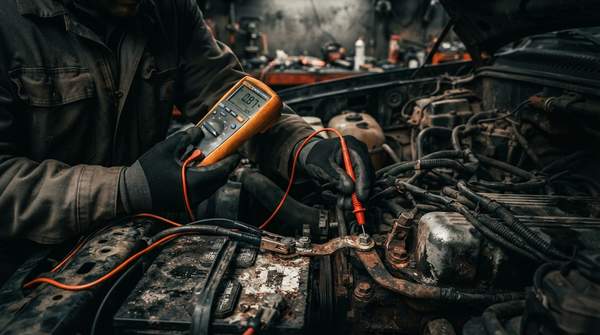
Up to 12% of automotive fuel transfer pumps listed online in Australia fail basic safety checks, posing a significant risk to drivers. This means nearly one in ten aftermarket purchases could compromise vehicle operation, leading to breakdowns, reduced engine efficiency, or even fire. Such a high failure rate in a rapidly expanding sector reveals a critical vulnerability impacting consumer safety and trust.
The Australian automotive fuel transfer pump aftermarket is experiencing strong growth, but this expansion simultaneously fuels a dangerous proliferation of substandard and counterfeit products. This tension arises as demand for affordable parts outpaces stringent quality control in certain supply channels, creating a market where cost savings often come at the expense of verified quality.
Based on the increasing market share of the aftermarket and the prevalence of unsafe online listings, it appears likely that consumer safety will be increasingly compromised unless regulatory oversight or industry standards are significantly strengthened.
The Aftermarket Boom and Its Hidden Costs
The aftermarket for automotive fuel transfer pumps in Australia constitutes a substantial 60–65% of the total market value, according to IndexBox. This dominance is amplified by its growth rate, expanding at a Compound Annual Growth Rate (CAGR) of 5.0–6.5%, which significantly outpaces the 2.5–3.5% CAGR for OEM factory-fit components. However, IndexBox also reveals that 8–12% of online-listed pumps fail basic safety checks. This means the market's economic engine is simultaneously creating a quantifiable safety hazard for consumers.
This aggressive expansion, driven by consumer demand for more affordable repair options, relies heavily on international supply chains. An estimated 70–80% of these aftermarket pumps originate from China and Southeast Asia. This overwhelming reliance on imports, combined with rapid market expansion and high failure rates, suggests a systemic, unaddressed quality control vulnerability. Australian drivers, seeking cost savings, are unknowingly trading affordability for a significant and unaddressed safety gamble.