A faint squeal from under the hood, dismissed as 'just an old car thing,' can quickly escalate into a complete engine failure, stranding you on the highway. Many drivers dismiss strange car noises, but these sounds are precise indicators of impending critical failures. Ignoring them transforms minor annoyances into expensive, dangerous repairs. Grinding, for example, signals metal-on-metal contact in brakes, transmissions, or wheel bearings, according to Allied Automotive Service—a critical warning demanding immediate attention.
1. Decoding Your Car's Cries: Squeals, Clicks, and Grinds
Each distinct sound provides a clear, actionable clue, allowing drivers to pinpoint potential issues before they worsen. Drivers who dismiss a 'faint squeal' or 'grinding' are not just risking a breakdown; they're actively inviting a cascade of expensive, interconnected failures across their vehicle's most critical systems, as evidenced by Moog Parts and Allied Automotive Service identifying these sounds across brakes, engines, and drivetrains.
1. Grinding (Worn Brake Pads)
This grinding noise occurs when brake linings have worn away, allowing the steel brake rotor to rub against the metal brake pad backing. Brake repairs cost £157.98 on average, according to Who Can Fix My Car. Ignoring this can lead to a repair bill three times higher than just replacing pads.
2. Grinding (Failing Wheel Bearings)
Failing wheel bearings can produce a grinding noise, often exacerbated during turns. Wheel bearing replacement costs £202.37 on average, according to Who Can Fix My Car. This issue requires prompt attention to prevent wheel detachment.
3. Squealing (Loose Serpentine Belt)
Squealing sounds when starting a car typically indicate a worn, glazed, cracked, loose, or contaminated serpentine belt, according to Allied Automotive Service. This belt drives essential accessories like the alternator and power steering pump. Ignoring it can lead to loss of power steering or charging.
4. Squealing (Low Brake Pads)
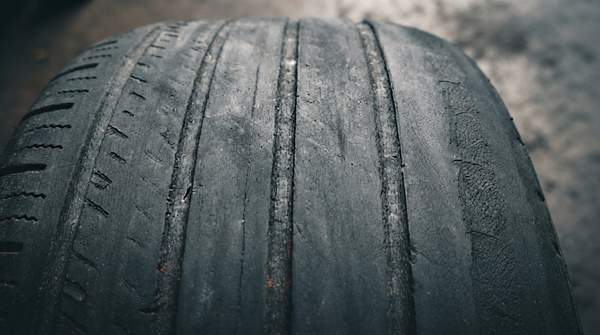
This squeal often comes from wear indicators on brake pads, signaling they are nearing their minimum thickness. Brake repairs cost £157.98 on average. Addressing this early prevents the more severe grinding associated with metal-on-metal contact.
5. Clicking (CV Joint)
Clicking sounds when turning the steering wheel often point to CV joint problems due to torn protective boots, according to Allied Automotive Service. CV joint repair costs £190.68 on average, according to Who Can Fix My Car. This seemingly minor 'clicking' sound is a ticking time bomb, indicating a torn boot that will inevitably lead to costly joint replacement and potential damage to surrounding components if left unaddressed, proving that early, specific noise identification is paramount to preventative maintenance.
6. Humming/Growling (Failing Wheel Bearing)
This sound gets louder with speed and changes tone when turning, according to Who Can Fix My Car. It frequently indicates a failing wheel bearing. Wheel bearing replacement costs £202.37 on average. While sometimes mistaken for tire noise, its speed and turn sensitivity differentiate it.
7. Grinding (Worn CV Joint, turning)
A worn CV joint can cause grinding noises when making tight turns at slow speeds, according to Moog Parts. CV joint repair costs £190.68 on average. This specific condition helps distinguish it from other grinding sources, requiring professional diagnosis to confirm.
8. Engine Knocking
Engine knocking can signal serious problems such as worn connecting rod bearings, carbon buildup causing pre-ignition, or overheating, according to Allied Automotive Service. This noise demands immediate investigation to prevent catastrophic engine damage.
9. Rhythmic 'Wub-Wub-Wub' (Tire Issue)
This noise increases in speed with the wheels and is likely due to a flat spot on the tire, a sidewall bubble, or an unbalanced tire, according to Who Can Fix My Car. While not a direct mechanical failure, it signals a safety concern that can be confused with wheel bearing issues.
2. Grinding Under Pressure: Pinpointing the Source
| Noise Type | Condition | Likely Cause | Average Repair Cost |
|---|---|---|---|
| Grinding | When braking | Worn brake pads or rotors | £157.98 |
| Grinding | When turning vehicle | Worn wheel bearings | £202.37 |
| Grinding | When making tight turns at slow speeds | Worn CV joint | £190.68 |
| Grinding | Constant, changes with speed | Failing wheel bearing | £202.37 |
| Grinding | Engine running | Failing water pump | Varies by vehicle |
The context in which a grinding noise occurs, such as during turns or at specific speeds, is crucial for accurately diagnosing the underlying component failure. Worn wheel bearings, for example, can cause a grinding noise while turning the vehicle, as can a worn CV joint when making tight turns at slow speeds, according to Moog Parts. These distinct conditions help mechanics isolate the problem. Misinterpreting these contextual cues risks misdiagnosis, leading to unnecessary repairs or, worse, ignoring the actual critical issue.
3. Beyond the Obvious: Other Grinding Culprits
What does a grinding noise from my engine mean?
A grinding noise originating from your engine while it is running can indicate a failing water pump, according to Moog Parts. This critical component circulates coolant, and its failure can lead to severe engine overheating and damage. Prompt inspection is necessary to avoid costly repairs.
Can a transmission issue cause grinding sounds?
Yes, grinding noises can signal problems within the transmission, particularly if they occur when shifting gears or accelerating. Such sounds often point to worn gears, bearings, or synchronizers inside the transmission. Addressing these issues early can prevent a complete transmission overhaul, which is among the most expensive vehicle repairs.
What if my grinding noise only happens in wet weather?
If a grinding noise primarily occurs in wet weather, it might indicate issues with brake components sensitive to moisture, such as corroded rotors or worn pads exacerbated by water. It could also point to water ingress into wheel bearings, accelerating their wear. A professional inspection can determine if moisture is merely aggravating an existing problem or causing a new one, preventing premature failure.
Given the clear correlation between ignored vehicle sounds and escalating repair costs, drivers who prioritize early diagnosis will likely see significant savings and enhanced vehicle longevity in the coming years.