Vehicle maintenance costs are rising, driven by pricier synthetic oils and increasing labor rates, according to AAA. This modest increase often tempts car owners to defer or skip recommended services. However, neglecting routine maintenance creates a costly trap: seemingly small savings now lead to significantly higher repair bills later. Proactive adherence to essential maintenance schedules ensures greater long-term savings and vehicle reliability, while deferring maintenance guarantees escalating and unavoidable repair expenses.
Your Essential Car Maintenance Checklist
These eight basic checks prevent common vehicle issues and ensure long-term reliability.
1. Oil Changes
Regular oil changes are critical for engine health, ensuring proper lubrication and cooling. Ford specifies oil change intervals, emphasizing their importance. While synthetic oils contribute to modest cost increases, according to AAA, this service remains indispensable for preventing engine wear and maintaining performance.
2. Tire Inspection
Regular tire inspection ensures safety and extends tire life. Check pressure, tread depth, and for damage or uneven wear. Ford and KBB both emphasize tire checks and rotation intervals, highlighting their collective importance for vehicle stability and fuel efficiency. Consistent monitoring prevents blowouts and uneven wear, which compromise handling and increase fuel consumption.
3. Inspecting Brakes
Regular brake inspections are vital for vehicle safety. Ford specifies brake inspection intervals, recommending checks for pad wear, rotor condition, and fluid levels. Neglecting this leads to diminished stopping power and costly repairs.
4. Fluid Level Checks
Checking all fluid levels—oil, coolant, brake fluid, power steering fluid, and washer fluid—is essential. KBB includes this as a key maintenance item. Maintaining correct levels prevents overheating, ensures proper braking, and supports steering functionality.
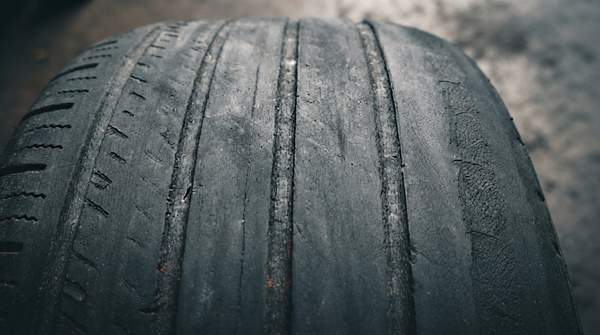
5. Tire Rotation
Tire rotation promotes even wear, extending tire lifespan and maintaining balanced handling. Ford specifies tire rotation intervals, typically every 5,000 to 8,000 miles, depending on vehicle and tire type.
6. Vehicle Checkup
A comprehensive vehicle checkup, often annual or at specific mileage, assesses overall car health. Ford specifies checkup intervals, which typically include inspecting belts, hoses, lights, and exhaust systems. This proactive review identifies minor issues before they escalate.
7. Testing Battery and Connections
Ensuring the car battery is in good condition with clean, secure connections prevents unexpected breakdowns. KBB lists battery testing as a key maintenance item. This simple check prevents starting issues, especially in extreme temperatures.
8. Replacing Filters
Regularly replacing air, cabin, and fuel filters is crucial for engine performance and interior air quality. KBB includes filter replacement on maintenance checklists. Clean filters ensure optimal airflow to the engine and prevent contaminants from entering the cabin or fuel system.
The Value of Timely Service
| Maintenance Approach | Immediate Cost | Long-Term Cost | Vehicle Reliability | Safety Impact |
|---|---|---|---|---|
| Timely, Factory-Recommended Service | Modest | Lower | High | Enhanced |
| Delayed/Neglected Service | Low (initially) | Significantly Higher | Low | Compromised |
| Excessive/Unnecessary Visits | High | Moderate (potential for overspending) | Moderate to High | Neutral |
Adhering to manufacturer-recommended schedules optimizes performance and costs, avoiding both neglect and overspending. Ford's maintenance schedule provides clear guidelines for services like oil changes. However, AAA advises performing all factory-recommended services while simultaneously warning against excessive or unnecessary mechanic visits. This creates a dilemma for car owners, who must navigate a fine line without expert knowledge. The tension between recommended service and avoiding overspending reveals a critical knowledge gap for consumers. Informed choices, not just frequent visits, define cost-effective car care. Owners who view rising maintenance costs as a burden often fall into a costly trap; modest increases for services like synthetic oil changes are minor compared to the significantly higher repair bills from neglect.
The Long-Term Savings of Proactive Care
Car owners who prioritize consistent, informed maintenance will likely see their vehicles retain higher value and incur fewer major repair expenses in the coming years.
Common Maintenance Questions
What are the most important car maintenance tasks?
The most important tasks are those in your vehicle's owner's manual, specific to its design and operational needs. Beyond basic oil changes and tire care, manufacturer-recommended tasks like timely transmission fluid changes or spark plug replacements prevent premature wear on complex systems. Ignoring these leads to component failures far more expensive than preventative service.
How often should I perform basic car maintenance?
Intervals vary by manufacturer and model. A general guideline is to check basic items like tire pressure, fluid levels (oil, coolant, washer fluid), and exterior lights monthly. More comprehensive services, such as oil changes and tire rotations, typically follow schedules like every 5,000 to 7,500 miles or every six months, as indicated by your owner's manual. Your Ford maintenance schedule, for example, provides detailed intervals.
What are the signs of car maintenance neglect?
Neglect often manifests as unusual noises, dashboard warning lights, or changes in vehicle performance. Examples include squealing brakes (worn pads), a persistent check engine light (critical engine issue), or reduced fuel economy (clogged air filters or old spark plugs). Addressing these early indicators prevents minor issues from escalating into major, costly repairs.