A single pothole can trigger over 1,000 micro-adjustments in a modern adaptive suspension system, yet that same impact could cost thousands to repair if the system fails, according to ZF Group and RepairPal. Modern suspension systems deliver unprecedented comfort and control, adapting with remarkable precision. However, this advanced technology introduces new complexities and higher upkeep costs, creating a hidden financial trap. Vehicle owners increasingly trade simpler, cheaper maintenance for superior driving dynamics, often unaware of long-term financial implications until a repair is needed. This article dissects how sophisticated comfort creates a hidden financial trap for vehicle owners, as complex repair requirements outpace average mechanic capabilities and drive up long-term ownership costs.
The Unseen Foundation: What Your Suspension Does
A vehicle's suspension system connects the wheels to the body, allowing relative motion, according to the NHTSA. Its primary functions are to absorb road shocks and maintain tire contact with the road surface, essential for optimal braking, steering, and overall vehicle stability, as detailed in the Bosch Automotive Handbook. Key components include springs, shock absorbers (or struts), control arms, ball joints, and bushings, states the ASE Certification Manual. Springs support weight and absorb energy, while shock absorbers dampen oscillations, preventing excessive bouncing and maintaining tire contact, explain Monroe Shocks & Struts and KYB Americas. This foundational system, while seemingly simple, is the bedrock of vehicle control and safety, a role that only intensifies with modern vehicle demands.
Beyond Springs and Shocks: The Rise of Smart Suspension
Modern vehicles increasingly feature advanced systems like adaptive, air, or magnetic ride control suspensions, according to Continental AG. These integrate sophisticated electronics, sensors, and actuators. Adaptive suspensions use sensors to continuously adjust damping forces based on real-time road conditions and driving style, creating a smoother, more responsive ride, optimizing both comfort and handling, as described by ZF Group. Air suspension systems utilize air springs for adjustable ride height and stiffness, notes Arnott Inc. Magnetic ride control systems employ magnetorheological fluid, changing viscosity instantly with an electric current for precise damping, a technology pioneered by GM Technology. These advancements provide superior ride comfort, enhanced handling, and improved safety. However, this sophistication introduces new points of failure and repair complexities, fundamentally altering maintenance requirements.
More Than Comfort: Why a Healthy Suspension is Critical
A properly functioning suspension is critical for vehicle stability, steering responsiveness, and braking efficiency, states AAA. This directly impacts a driver's ability to maintain control, especially during sudden maneuvers. Worn components can lead to increased stopping distances and reduced control during emergencies, warns TÜV SÜD, compromising occupant safety. Neglecting minor issues accelerates wear on other expensive components like tires and steering systems, leading to more costly repairs, according to Consumer Reports. Advanced driver-assistance systems (ADAS) also rely on stable suspension for accurate sensor readings and effective operation, as noted by SAE International. A compromised suspension degrades safety feature performance, making its integrity paramount not just for comfort, but for the entire vehicle's operational safety and economic longevity.
Common Questions: Maintenance and Repair in the Modern Era
What are common suspension problems?
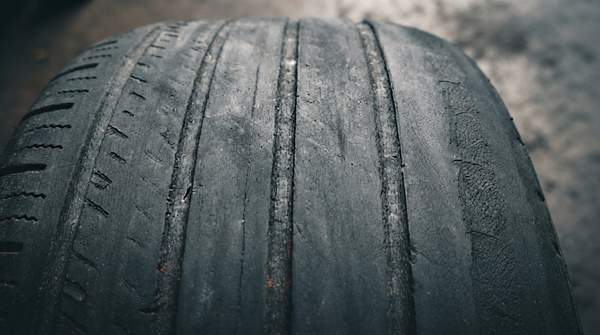
Signs of a failing suspension include excessive bouncing, nose-diving during braking, uneven tire wear, and clunking noises, according to Firestone Complete Auto Care. These symptoms often indicate worn shock absorbers, damaged bushings, or issues with control arms. Ignoring these warning signs leads to further damage and compromises vehicle safety.
How do I maintain my car's suspension?
Regular inspections of suspension components are recommended every 12,000 to 15,000 miles or annually, states J.D. Power. These inspections should check for leaks, cracks, excessive play, and proper alignment. Many modern suspension systems also require specialized diagnostic tools and calibration after component replacement, as highlighted by Snap-on Diagnostics, making professional servicing essential.
Can I repair advanced suspension systems myself?
DIY repair of advanced suspension systems is often not feasible due to their complexity and significant safety risks, warns Chilton Repair Manuals. Specialized tools and extensive training are usually necessary for proper diagnosis and repair. Replacing a single conventional shock absorber might cost $150-$300, while an adaptive or air strut can range from $500-$1500+ per unit, according to RepairPal.
The Road Ahead: Preparing for the Future of Suspension
The global market for automotive suspension systems is projected to grow, driven by increasing consumer demand for comfort and safety features, according to Grand View Research. Some high-end vehicles already offer predictive suspension, using cameras to scan the road ahead and pre-adjust damping, a feature seen in Mercedes-Benz models. The integration of suspension with vehicle electronics means repairs often involve complex software updates and sensor recalibration, notes Bosch Car Service. While initial costs for these advanced systems are higher, they can improve fuel efficiency by optimizing aerodynamics at speed, as demonstrated by Audi AG. This sophistication, touted by manufacturers like ZF Group, inadvertently creates a repair monopoly for dealerships, as independent shops increasingly lack specialized tools and training.
As advanced suspension systems become standard, consumers will likely face escalating long-term ownership costs, making pre-purchase awareness of repair implications more critical than ever.