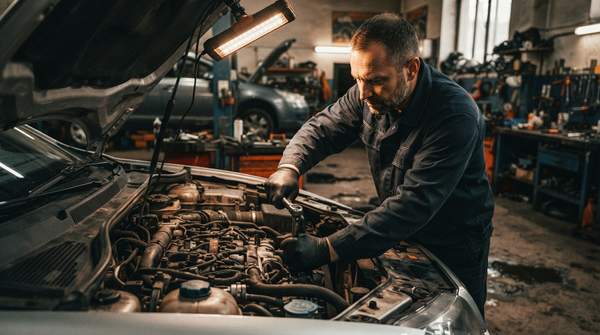
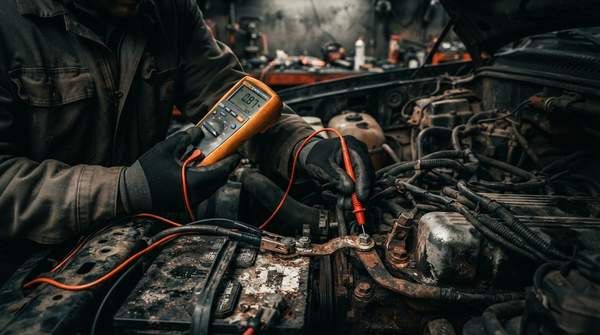
For a service costing $800 at a professional garage, an informal market in East Austin offers the same car repair for just $100. This 800% price disparity for essential vehicle maintenance places significant financial pressure on owners, forcing them to weigh immediate affordability against the perceived benefits of traditional shops. Car owners face ever-increasing costs at professional repair shops, but a burgeoning informal market provides essential services at a fraction of the price. This creates a difficult choice for drivers needing repairs but struggling with tight budgets. Consequently, consumers are increasingly likely to seek informal repair alternatives, potentially forcing traditional shops to re-evaluate their pricing or focus on niche, high-value services. This dynamic fundamentally challenges established automotive service models.
The Rise of the $100 Repair
The informal car repair market in East Austin now offers various services for $100, as reported by The Austin American-Statesman. This price point stands in direct contrast to the $800 charged by professional shops for identical work.
The availability of these low-cost options directly addresses a critical affordability crisis in car maintenance. Informal providers operate with significantly lower overheads, bypassing many regulatory compliances and expensive facility costs. This allows them to offer essential services at prices traditional garages cannot match, creating a structural disadvantage for established businesses.
For consumers considering DIY car maintenance to save money, these informal services present an appealing middle ground. The lower cost offers a viable alternative, particularly for those facing budget constraints who might otherwise postpone critical vehicle upkeep, potentially leading to greater long-term issues.
A Necessary Alternative
The Austin American-Statesman's reporting on an $800 professional repair versus a $100 informal alternative reveals that traditional auto service models are failing to compete on price, leaving them vulnerable to disruption by agile, underground operations.
This informal sector serves a crucial function by providing essential services to a segment of the population underserved by high-priced professional garages. Many drivers, compelled by financial necessity, choose these options despite potential risks associated with uncertified parts or lack of warranties. A tension between immediate financial relief and long-term vehicle integrity is underscored by this decision, raising questions about the true cost of the risks of DIY car repair.