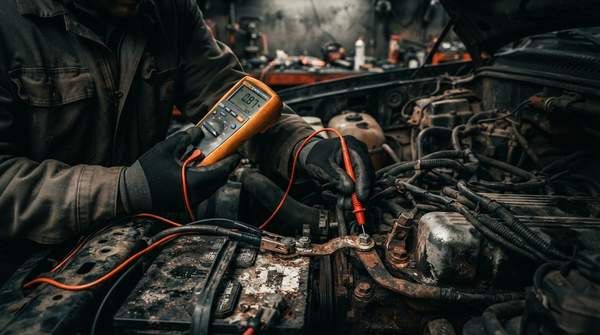
At a recent industry expo, a specialized training course was introduced to teach student transportation professionals how to diagnose complex electrical systems, highlighting a critical skills gap in modern vehicle repair. This training directly addresses the growing demand for expertise in intricate electronic components, equipping technicians with foundational knowledge for 2026 and beyond.
Vehicle electrical systems are exponentially more complex, yet adequately trained technicians and equipped garages lag behind. Without significant industry-wide investment in advanced electrical diagnostics training and equipment, the automotive repair sector risks widespread vehicle damage and declining service quality.
How Modern Garages Handle Complex Vehicle Systems?
Modern garages are high-tech labs, not traditional workshops, according to Autoblog. This shift demands shops function as sophisticated diagnostic centers, handling complex electrical architectures. Yet, the repair sector struggles with fundamental electrical knowledge, even as drivers expect advanced safety checks and EV expertise. This gap often means consumers pay for inadequate repairs or endure long wait times, eroding trust in the repair ecosystem.
What Specific Skills Do Modern Electrical Diagnostics Require?
Modern electrical diagnostics demand comprehensive expertise, extending beyond traditional mechanical repairs. Hands-on training covers basic electrical principles, components, circuit construction, testing, schematics, tracing, and troubleshooting malfunctions, reports School Transportation News. Additionally, battery analytics and ADAS calibration now transform auto repair, requiring specialized tools and a deep understanding of their integration into vehicle electrical systems, as Autoblog notes. Technicians must master these complex interactions for accurate repairs and vehicle safety.
What Are the Risks of Untrained Electrical Repair?
Diagnosing electrical problems without understanding basic circuits risks vehicle damage, warns cardone. Inadequate training and outdated diagnostic approaches lead to misdiagnosis and costly damage to advanced vehicle systems. As Autoblog observes, modern garages are high-tech labs; without proper training, technicians are not just inefficient, but actively destructive to complex, expensive vehicles, impacting owner safety and reliability.