DIY Home Security: Hidden Costs, Less Safety

Despite 60% of homeowners believing DIY security offers 'sufficient protection,' homes with professionally monitored systems are 3.

SR
Scott Ramirez

April 14, 2026 · 4 min read

A homeowner struggling with a tangled DIY home security system installation, highlighting the complexity and potential inadequacy of DIY solutions.

Despite 60% of homeowners believing DIY security offers 'sufficient protection,' homes with professionally monitored systems are 3.7 times less likely to be burglarized. This discrepancy reveals a dangerous gap between perceived safety and actual risk reduction. Many homeowners prioritize immediate savings, overlooking the tangible benefits of expert oversight. This often proves misleading, leading to increased vulnerability and a false sense of security.

Homeowners increasingly turn to affordable, customizable DIY security solutions, seeking direct control. These systems promise easy installation and direct oversight via personal devices. You receive immediate alerts and manage cameras remotely. However, these systems frequently fall short on the critical reliability and rapid response capabilities of professional services. The tension between initial affordability and long-term security effectiveness remains a central concern.

Relying solely on DIY security means trading perceived savings for a false sense of security. This decision increases your risk in actual emergencies. Disparate response times, technical vulnerabilities, and differing professional oversight often render DIY systems ineffective during intrusions. This compromised rapid response gives criminals more time to operate, increasing the likelihood of successful theft and damage.

The Allure of DIY: Cost Savings and Control

DIY home security systems can cost as little as $100-$300 for a basic starter kit, according to The New York Times Wirecutter. This low upfront investment attracts many seeking security without significant financial outlay. The appeal lies in avoiding higher installation fees and recurring monthly monitoring contracts, presenting a seemingly budget-friendly alternative. A 2022 survey found 60% of homeowners believe DIY security offers 'sufficient protection' for their needs, according to the Homeowner's Security Alliance. This confidence stems from the ability to self-monitor via smartphone apps, providing immediate control and personalized management. You feel empowered by real-time notifications, live camera feeds, and remote arm/disarm options. Many DIY systems are designed for easy installation, requiring no special tools or technical expertise, as detailed in a Ring product manual. This plug-and-play convenience, coupled with customization flexibility and no long-term contracts (TechCrunch analysis), creates an appealing package. Homeowners can tailor systems to perceived needs without external consultation. However, these perceived benefits of cost savings and personal control often overshadow deeper considerations for professional quality and safety, creating a potentially dangerous trade-off.

The Hidden Costs of Self-Reliance: Compromised Safety

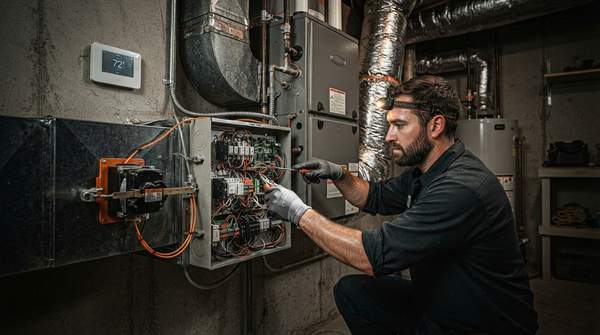
The average cost of property loss from a residential burglary in 2021 was $2,661, according to FBI Uniform Crime Reporting. DIY system users are solely responsible for troubleshooting technical issues, which can lead to system downtime if not addressed promptly (PCMag review). Any period of inactivity leaves your home vulnerable. Self-troubleshooting, from connectivity to sensor malfunctions, is a significant, unacknowledged hidden cost. Some DIY systems lack advanced features like professional-grade encryption or cellular backup in case of power or internet outage (Security.org comparison). A simple power cut, internet disruption, or signal jamming can render your entire system inoperable. Such vulnerabilities transform initial cost savings into significant, unmitigated risks. Simpler encryption and consumer-grade components make them more susceptible to hacking or disabling. Local police often prioritize calls from professionally monitored alarms due to higher reliability and verified threats (Police Chief's Association statement). Self-monitored DIY alerts require homeowner verification before police dispatch, causing critical delays. Precious minutes are lost as you confirm the threat and contact authorities. What appears to be a cost-effective solution quickly becomes a liability when faced with technical failures, cyber threats, or the critical need for rapid, verified emergency response, ultimately increasing homeowner vulnerability.

The Unseen Value of Professional Protection

Professional installation and monitoring services typically start at $40-$60 per month, plus equipment costs of $500-$1500 (ADT Security Services). While higher, this investment purchases enhanced protection and profound peace of mind. You gain access to a dedicated network of security experts who manage, maintain, and respond 24/7. This ensures continuous, reliable operation without self-monitoring burdens. A study by the Electronic Security Association (ESA) showed professionally monitored homes are 3.7 times less likely to be burglarized than homes without any security. This directly refutes claims that DIY systems offer 'comparable protection at a fraction of the cost.' Professional systems include 24/7 central station monitoring, dispatching emergency services directly (Vivint Smart Home). This rapid, reliable response is a critical differentiator, notifying authorities without delay. Professional installers ensure optimal sensor and camera placement, minimizing blind spots and false alarms (Security Pro Solutions expert interview). This expert setup contrasts sharply with potential user error in DIY installations. Professional security companies often offer insurance discounts, which can offset monthly monitoring fees (State Farm Insurance). Investing in professional security means purchasing a comprehensive service that significantly reduces risk and ensures effective response, offering robust, reliable protection.

By late 2026, homeowners choosing DIY security systems over professional monitoring will likely continue to face a statistically higher risk of burglary—3.7 times greater, as highlighted by the Electronic Security Association—as perceived savings often fail to deliver robust protection or rapid, verified emergency response.