7 Top Woods for Outdoor Projects: Brimstone Poplar is Class 1

Thermally modified poplar, heated to 210°C, achieves an EN350-2 Very Durable, Class 1 rating.

SR
Scott Ramirez

April 14, 2026 · 5 min read

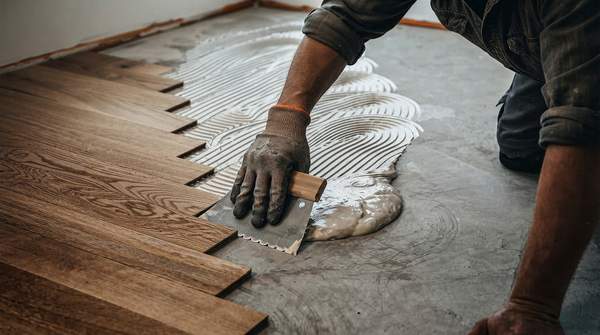
A beautifully crafted outdoor patio made from durable Brimstone Poplar wood, highlighting its natural grain and resistance to the elements.

Thermally modified poplar, heated to 210°C, achieves an EN350-2 Very Durable, Class 1 rating. Decades of outdoor life without treatment or rot are promised. Known as Brimstone, this advanced material maintains limited shrinkage or expansion regardless of temperature or humidity, according to Timberdevelopment. The process fundamentally alters poplar, delivering a superior, maintenance-free outdoor solution.

Many woods are considered durable for outdoor use, but only a select few, especially engineered options, truly withstand decades of exposure without significant maintenance or risk of decay. Even "highly resistant" woods require initial treatment or ongoing sealing to maintain resistance over many decades, a point of tension with claims of maintenance-free longevity.

As consumers increasingly value longevity and reduced maintenance, advanced engineered wood products like thermally modified poplar are poised to become the preferred standard for high-performance outdoor applications. Based on Timberdevelopment's EN350-2 Class 1 rating and "decades without treatment" claim, thermally modified poplar offers true set-it-and-forget-it longevity that traditional options cannot match.

While thermally modified poplar leads in durability, other traditional and natural woods offer robust solutions for specific outdoor challenges. Each material presents distinct attributes for various project needs.

1. Thermally Modified Poplar (Brimstone)

Best for: Homeowners and builders seeking truly maintenance-free, long-term outdoor wood solutions.

Thermally modified poplar boasts a durability rating of EN350-2 Very Durable, Class 1, according to Timberdevelopment. Heated to 210°C, it resists shrinkage or expansion regardless of temperature or humidity. It lasts decades outdoors without treatment or rot. Moisture content at fixing is 4–6%.

Strengths: Exceptional durability, inherent dimensional stability, no chemical treatments, decades of life without maintenance. | Limitations: Higher initial cost compared to some alternatives. | Price: Moderate to High.
2. Marine-grade Lumber

Best for: Structures in constant contact with water, such as docks or boat components.

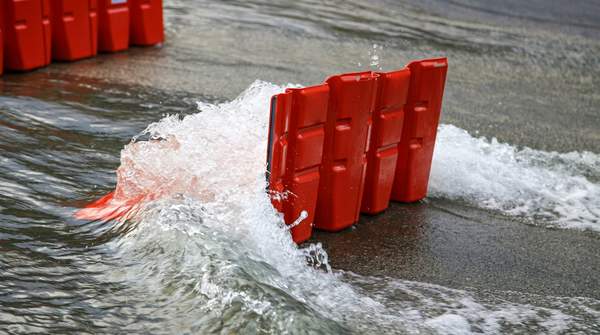
Marine-grade lumber is designed for constant water exposure, ensuring superior weather resistance in extreme wet conditions, states Normanlumber. Specialized wood resists rot and decay in submerged environments, making it indispensable for marine structures.

Strengths: Extreme water resistance, high durability in wet conditions. | Limitations: Specialized use, generally higher cost. | Price: High.

3. Pressure-treated Wood

Best for: Decks, fences, and structural elements needing resistance against decay and insects.

Pressure-treated wood is highly resistant to decay due to chemical treatment, as reported by Normanlumber. Chemical treatment ensures reliable outdoor longevity. Its wide availability makes it a common choice for many construction needs.

Strengths: High decay resistance, cost-effective, widely available. | Limitations: Chemical treatment, can warp if not kiln-dried properly. | Price: Low to Moderate.

4. Teak

Best for: Premium outdoor furniture, boat decking, and high-end architectural elements.

Teak is a naturally durable species, highly resistant to decay, according to Normanlumber. Its natural oils inherently protect against moisture and insects, justifying its premium status.

Strengths: Natural beauty, high decay resistance, natural oils protect against pests. | Limitations: Very high cost, ethical sourcing concerns. | Price: Very High.

5. Cedar

Best for: Decking, siding, fences, and outdoor furniture where natural aesthetics are desired.

Cedar is another naturally durable species, highly resistant to decay, Normanlumber notes. It balances natural beauty with robust performance for various outdoor projects. Its aromatic qualities are an added benefit.

Strengths: Natural decay resistance, pleasant aroma, attractive appearance. | Limitations: Softer than some hardwoods, requires sealing to maintain color. | Price: Moderate.

6. Redwood

Best for: Decking, fences, and outdoor structures in regions where pest resistance is a primary concern.

Redwood is a naturally pest-resistant species that prevents infestations, according to Normanlumber. Natural resistance ensures long-term durability, preventing damage from common pests.

Strengths: Natural pest resistance, decay resistance, appealing color. | Limitations: Can be expensive, limited availability in some regions. | Price: Moderate to High.

7. Cypress

Best for: Shingles, siding, and general construction where natural pest and decay resistance are valued.

Cypress, similar to redwood, is a naturally pest-resistant species that prevents infestations, Normanlumber indicates. Its natural properties make it suitable for outdoor use, preventing common degradation.

Strengths: Natural pest and decay resistance, water repellent. | Limitations: Can be difficult to source, varies in durability depending on heartwood content. | Price: Moderate.

Matching Wood to Environment: Specialized Durability

Wood TypeKey Durability FeaturePrimary BenefitLong-Term MaintenanceWarping/Movement Resistance
Thermally Modified PoplarHeated to 210°C, EN350-2 Class 1Decades of life without treatment or rotMinimal; inherently stableLimited shrinkage/expansion (Timberdevelopment)
Marine-grade LumberDesigned for constant water exposureWithstands extreme wet conditionsModerate; specialized sealing recommendedGood; designed for stability in water (Normanlumber)
Pressure-treated WoodChemical treatment against decayCost-effective decay resistanceModerate; periodic inspection and sealingRequires proper kiln-drying to minimize risk (Normanlumber)
TeakNatural oils, high densityNatural decay and pest resistanceLow; weathers to silver-gray without sealingGood; naturally stable but can move with moisture changes
Cedar / Redwood / CypressNatural extractives, low densityNatural decay and pest resistanceModerate; requires sealing to preserve colorFair; can warp or check without proper care

Outdoor conditions demand specialized wood properties. Durability is not a one-size-fits-all concept. While high-quality, kiln-dried wood and proper sealing minimize warping for many species (Normanlumber), thermally modified poplar offers superior, built-in dimensional stability. The 210°C thermal modification ensures lower long-term maintenance costs and fewer structural issues than "highly resistant" woods requiring sealing or risking warp.

The Practical Advantage of Engineered Durability

Thermally modified poplar's inherent stability simplifies installation and ensures long-term reliability. For instance, cladding at Collaughtons Ash used a single 50mm stainless steel brad nail per fixing point (Timberdevelopment). The single brad nail fixing method reduces labor and complexity. Such extreme thermal modification means projects will incur significantly lower long-term maintenance costs and fewer structural issues than "highly resistant" woods that still require sealing or risk warping. Homeowners and builders seeking truly maintenance-free outdoor solutions should consider thermally modified poplar.

By 2026, the demand for truly maintenance-free outdoor wood solutions like thermally modified poplar from suppliers such as Brimstone is projected to increase, as long-term value outweighs initial cost for discerning consumers.

Installation Considerations for Outdoor Wood

What wood is best for decks in 2026?

For decks in 2026, thermally modified poplar stands out. Its EN350-2 Very Durable, Class 1 rating offers decades of life without rot or chemical treatment. This engineered wood provides superior dimensional stability, minimizing warping that plagues traditional decking. Pressure-treated wood remains cost-effective for decay resistance, but requires more ongoing maintenance.

How important is substructure and ventilation for outdoor wood cladding?

Proper substructure and ventilation are critical for any outdoor wood cladding, even with durable materials. For horizontal cladding, vertical untreated softwood battens (e.g. 50 x 75mm at 600mm centers) ensure adequate air circulation (Timberdevelopment). Adequate air circulation prevents moisture buildup, promotes drying, and extends the cladding's lifespan.

What is the most durable wood for outdoor furniture?

For outdoor furniture, durability means resistance to decay and weathering without constant upkeep. Thermally modified poplar offers exceptional longevity and stability, requiring no chemical treatments. Teak is another highly durable option, prized for natural oils. that resist moisture and insects. However, teak carries a higher cost and weathers to silver-gray if not periodically oiled.