In 2026, automotive repair shops use AI diagnostic tools to identify engine issues faster than a 20-year veteran mechanic. These systems, however, often struggle to explain why a specific component is failing, leaving the human technician to bridge the trust gap. This disconnect forces skilled professionals to invest valuable time verifying AI outputs, impacting overall workflow.
AI enhances efficiency and safety across skilled trades, yet it simultaneously erodes traditional human expertise and introduces complex ethical challenges that current training and regulations are ill-equipped to handle.
Without concerted effort to integrate digital literacy, ethical AI training, and robust regulatory frameworks into skilled trades education and practice, the industry risks a future where technological advancement outpaces human control and equity. This creates a dangerous divide between those who can leverage AI and those who are replaced by it, shifting the core value of human expertise from hands-on execution to critical interpretation and ethical judgment.
The Shifting Landscape of Skilled Labor
Vocational schools report a 30% increase in demand for courses integrating AI tools and data analytics for electricians and plumbers, according to National Association of Skilled Trades. The Future of Work Institute projects a 25% growth in demand for 'hybrid' skilled tradespeople over the next five years. These figures confirm traditional craft skills alone are no longer sufficient for career longevity. The industry now requires individuals who combine traditional craft with digital proficiency.
The average age of a skilled tradesperson in the US is 43, with many nearing retirement, according to Bureau of Labor Statistics. This demographic trend creates a knowledge gap AI is beginning to fill, particularly in tasks requiring extensive data processing or predictive analysis. A new baseline of digital literacy is essential for industry relevance. The Washington Post reported in 2026 that AI is sparking a boom in blue-collar jobs, but noted the challenge of filling them with appropriately skilled workers.
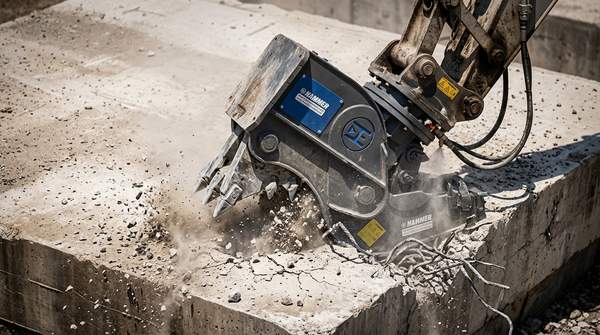
AI's Concrete Impact on Efficiency and Roles
AI-powered predictive maintenance systems reduce the need for routine human inspections in manufacturing. This allows technicians to focus on complex repairs. In construction, robotics and AI automate repetitive tasks, leading to a 15% increase in project efficiency but a 5% decrease in entry-level labor demand, according to Construction Tech Review. The 15% increase in project efficiency and 5% decrease in entry-level labor demand highlights AI's dual impact on the workforce.
AI-driven design software allows architects and engineers to generate complex blueprints faster, according to AEC Magazine. This shifts the role of draftsmen from purely drawing to oversight and modification, demanding interpretative skills. AI-driven design software and the shifting role of draftsmen streamline operations and redefine job functions, moving human workers towards supervisory and problem-solving roles.
The Limits of Automation and the Human Imperative
While AI diagnostic tools in automotive repair identify issues faster than experienced mechanics, they often lack the nuanced understanding for complex, intermittent problems, according to Auto Tech Journal. Human expertise remains crucial for troubleshooting and contextualizing AI outputs. Over-reliance on these systems can dull human vigilance and diagnostic skills, even as AI aims to enhance safety by predicting equipment failures, according to Occupational Safety Review. This reliance could compromise safety if AI fails or provides ambiguous data.
The cost of advanced AI tools and training can be prohibitive for small, independent trade businesses, according to Small Business Association. The prohibitive cost of advanced AI tools and training for small, independent trade businesses widens the gap with larger corporations. AI offers advantages in speed and predictive power. However, its current limitations and high barrier to entry mean it augments, rather than replaces, human expertise, risking increased inequality within the trades.
Unseen Ethical Quandaries in AI Integration
AI algorithms for job allocation in gig-economy skilled trades, like home repair applications, can inadvertently prioritize speed over quality or fair worker compensation, according to Gig Economy Watchdog. The inadvertent prioritization of speed over quality or fair worker compensation by AI algorithms creates ethical dilemmas for tradespeople regarding autonomy and livelihood. Data collected by AI systems on job sites, including worker performance and safety compliance, raises concerns about surveillance and worker privacy, according to Labor Rights Advocate. AI systems collecting data on job sites can track movements and efficiency, potentially leading to unfair evaluations or disciplinary actions.
The 'black box' nature of some AI models makes it difficult for tradespeople to understand why a system made a recommendation, hindering trust and accountability, according to AI Ethics Institute. The 'black box' nature of some AI models, which makes it difficult for tradespeople to understand why a system made a recommendation, places an ethical burden on frontline workers who lack training or authority to address systemic issues. Uncritical AI adoption introduces significant ethical challenges related to worker autonomy, privacy, and accountability, largely unaddressed in current training and operational practices.
Forging a Responsible Future for Skilled Trades
Training programs for AI in trades often focus on tool operation, not ethical considerations of data privacy or algorithmic bias, according to Workforce Development Council. The narrow approach of training programs for AI in trades, which often focus on tool operation rather than ethical considerations of data privacy or algorithmic bias, risks preparing workers for obsolescence rather than true AI integration. Governments are slow to establish regulatory frameworks for AI's use in critical infrastructure trades, such as power grids and water systems. The slow establishment of regulatory frameworks for AI's use in critical infrastructure trades leaves ethical guidelines to individual companies, according to Public Policy Forum. This absence of external oversight creates inconsistent standards and potential liabilities.
Apprenticeships are evolving to include modules on human-AI collaboration, emphasizing problem-solving and critical thinking over purely manual skills, according to Apprenticeship Modernization Initiative. The evolution of apprenticeships to include modules on human-AI collaboration, emphasizing problem-solving and critical thinking over purely manual skills, moves beyond basic operational literacy towards 'AI literacy' – the ability to critically evaluate, ethically guide, and creatively extend AI capabilities. Addressing ethical and regulatory gaps in AI integration is crucial for fostering a responsible future workforce, requiring a proactive overhaul of educational curricula and governmental oversight. By Q3 2026, many small businesses and individual tradespeople not adopting these advanced interpretative skills will likely face a significant competitive disadvantage, risking job displacement as larger, AI-integrated firms dominate the market, according to CNBC reports on AI hiring trends.


