Medtech trends 2026 reshape skilled trades, creating new roles and gaps

By 2026, a single AI-powered diagnostic tool could perform the work of five traditional lab technicians, fundamentally altering staffing needs in hospitals nationwide.

BF
Ben Foster

April 28, 2026 · 4 min read

Futuristic AI diagnostic machine in a hospital lab, assisting healthcare professionals and showcasing the evolution of medical technology.

By 2026, a single AI-powered diagnostic tool could perform the work of five traditional lab technicians, fundamentally altering staffing needs in hospitals nationwide. This efficiency gain marks a profound workforce adjustment. The scale of this change requires immediate re-evaluation of healthcare staffing models.

Medtech is designed to improve healthcare access and quality, but it simultaneously threatens the livelihoods of the skilled workforce historically responsible for delivering that care.

Healthcare systems and educational institutions must rapidly adapt their training and employment strategies to prevent a severe talent mismatch and ensure equitable access to future healthcare services.

The Current State of Medtech Integration

  • A first AI-powered behavioral health prescription renewal program launches next month, according to Bhbusiness. AI immediately enters patient-facing administrative services.
  • Digitizing medical policy alone will not automate prior authorization at scale, states MedCity News. While some administrative tasks automate, complex policy interpretations still require human expertise.
  • Healthcare Services Group (HCSG) reported a 15.2% increase after strong Q1 2024 earnings, according to Simply Wall St. This financial performance shows providers invest in efficiency-driven technologies.

The current trajectory shows significant acceleration in automation across diagnostic, therapeutic, and administrative healthcare services. This shift demands new skills from the existing workforce.

AI and Robotics: The Core Drivers of Change

AI's expanding role beyond diagnostics, exemplified by the upcoming launch of the first AI-powered behavioral health prescription renewal program, directly involves it in patient interaction and service delivery. Such systems require human oversight for ethical and operational integrity.
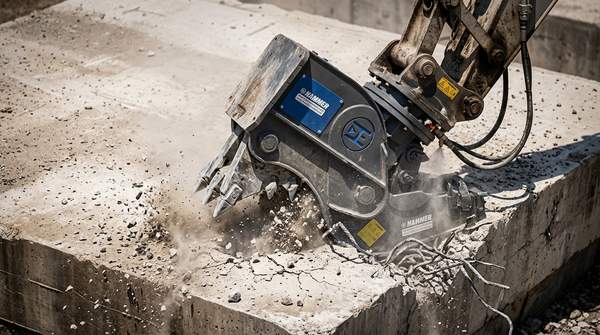
Industrial automation is shifting from control to intelligence, as noted by Bain & Company. Robots become more autonomous, capable of complex decision-making. These advancements redefine the technical skills needed for maintenance and operation.

The convergence of artificial intelligence and robotics creates entirely new categories of medical intervention and support, redefining human roles. This change requires healthcare professionals to adapt to hybrid tech-centric responsibilities.

Broader Forces Accelerating Medtech Adoption

Strong Q1 2026 earnings from Healthcare Services Group (HCSG), up 15.2% according to Simply Wall St, signal market confidence in technology integration for efficiency. These economic pressures accelerate wider Medtech adoption.

While digitizing medical policy alone will not automate prior authorization at scale, as MedCity News notes, complex administrative hurdles persist. This complexity drives further tech solutions, impacting labor demands.

Demographic shifts, rising healthcare costs, and demand for personalized medicine accelerate Medtech adoption, further impacting labor demands. Healthcare systems that fail to proactively invest in comprehensive reskilling programs for their existing workforce will face staffing shortages and operational bottlenecks by 2026, jeopardizing patient care.

The 2026 Workforce: New Roles and Critical Gaps

Rapid adoption of AI-powered diagnostics and automated surgical tools creates a critical skills gap. This forces healthcare providers to choose between technological advancement and maintaining a stable, experienced human workforce. Traditional roles like medical transcriptionists or basic lab technicians face significant displacement.

New roles will emerge, focusing on Medtech maintenance, data analysis, and human-AI collaboration. Professionals will need hybrid skills, combining clinical knowledge with technical proficiency in software and robotics. Without immediate, targeted government and industry collaboration on workforce transformation, Medtech's promise to improve healthcare access and quality will be severely hampered by a lack of human expertise to manage its integration.

The future will see a bifurcation of roles: highly specialized Medtech operators and augmented human-centric care providers, requiring distinct skill sets. This demands urgent investment in education and retraining initiatives.

Navigating the Medtech Revolution: Your Questions Answered

How will medtech advancements affect healthcare jobs in 2026?

Medtech advancements will reduce demand for repetitive manual tasks in labs and administrative roles. New positions will emerge, focusing on Medtech system management, data interpretation, and patient education. For instance, roles in robotic surgical assistance will increase, requiring new technical certifications beyond traditional surgical skills.

What are the key medtech innovations expected by 2026?

Key innovations include advanced AI for predictive analytics in patient care and automated drug discovery platforms. Miniaturized wearable sensors for continuous health monitoring will also become more common, shifting care delivery models from hospitals to homes and requiring new support roles.

What skills will be in demand for trades due to medtech in 2026?

Demand will grow for hybrid skills combining clinical knowledge with IT expertise, such as biomedical equipment technicians specialized in AI-driven devices. Cybersecurity for medical data and proficiency in interpreting complex diagnostic algorithms will also be critical for maintaining system integrity and patient safety.

The success of Medtech integration by 2026, and its ability to truly improve healthcare access and quality, will likely hinge on the industry's rapid adaptation of training and employment strategies.