Choosing the Right Wood for Woodworking Projects in 2026

In 2026, many woodworkers still believe hardwoods universally outperform softwoods, yet a strong softwood like Douglas fir can demonstrate greater durability than a weak hardwood such as balsa.

KB
Kyle Brenner

June 8, 2026 · 6 min read

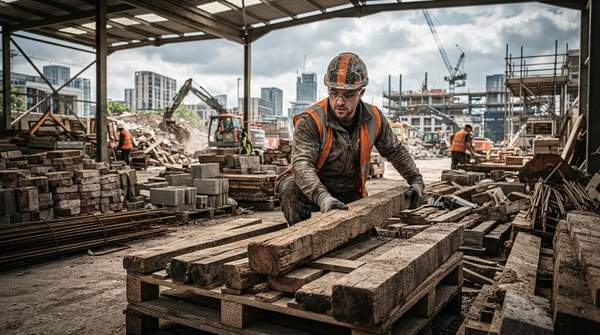
Woodworker examining a plank of wood, highlighting the importance of choosing the right material for woodworking projects in 2026.

In 2026, many woodworkers still believe hardwoods universally outperform softwoods, yet a strong softwood like Douglas fir can demonstrate greater durability than a weak hardwood such as balsa. This challenges deeply ingrained assumptions about material selection for woodworking projects. Understanding these nuances is crucial for any woodworker seeking the best wood types for woodworking projects.

Many individuals assume hardwoods are inherently superior for strength and durability in all applications. However, specific softwoods can actually prove stronger and more suitable for certain projects than some hardwoods, directly contradicting this widespread belief. This tension often leads to suboptimal choices and increased costs.

Relying solely on "hardwood" or "softwood" labels without considering specific species properties will likely lead to suboptimal material choices, increased costs, or unnecessary project difficulty. Informed decisions require a deeper understanding of each wood's individual characteristics.

Beyond the Labels: Why Your Wood Choice Matters

Woodworkers often face a crucial decision when starting a new project: selecting the right timber. This guide aims to assist both hobbyists and professionals who seek to move beyond generic assumptions about wood classifications. Companies and hobbyists who default to hardwoods for perceived quality are often paying a premium for materials that are harder to work with and may not achieve the desired finish.

Many individuals overspend on hardwoods or struggle with their properties when a more suitable, often cheaper, softwood would have been better. This common oversight can lead to frustration and less than ideal results. Understanding the specific demands of a project allows for more strategic material choices, optimizing both outcome and budget.

The core problem this guide addresses is the tendency to equate "hardwood" with universal superiority in strength and durability. Woodworkers who prioritize project-specific needs and understand the nuanced differences between wood types will ultimately achieve better results. This approach helps avoid unnecessary expenses and labor.

Strength and Durability: Beyond the Hardwood Hype

The widespread perception among woodworkers holds that hardwoods are universally stronger and more durable than softwoods. However, this generalization requires closer examination. Wagnermeters states that "generally, hardwoods are stronger and more durable than softwoods, but there are exceptions where strong softwoods can be stronger than weak hardwoods." This directly contradicts the ingrained assumption that hardwoods are inherently superior in strength.
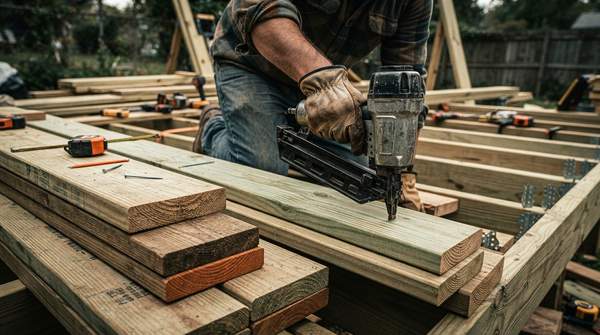

Relying solely on the "hardwood" label for strength is a flawed heuristic. Specific softwoods can indeed offer superior structural integrity over certain hardwoods, depending on the species. For instance, some dense conifers can exceed the strength of lighter hardwoods, making them ideal for specific load-bearing applications.

The data from wagnermeters reveals that prioritizing wood type over specific project requirements is a costly mistake. Many projects could benefit from the workability and finishing advantages of softwoods, even outperforming some hardwoods in specific strength applications. Selecting wood based purely on general categories can lead to underestimating the capabilities of certain softwoods or overpaying for unnecessary hardwood strength.

Workability and Cost: Practical Considerations for Your Project

Beyond raw strength, the practical aspects of working with different wood types significantly impact project feasibility and budget. Hardwoods can be more challenging to work with and are often more expensive, according to wagnermeters. This increased difficulty can translate to more time spent on tasks like cutting, shaping, and sanding.

Conversely, wagnermeters also indicates that softwoods are generally easier to work with. Their lower density typically means less tool wear and faster processing times, which is a considerable advantage for many projects. This ease of manipulation can significantly reduce the overall labor involved.

The practical implications of wood density and structure mean that softwoods often offer a more accessible and economical choice for many DIYers, reducing both effort and expense. Woodworkers can achieve excellent results without the higher material costs and increased effort associated with some hardwoods, especially for non-structural or decorative items.

Finishing and Aesthetics: Achieving Your Desired Look

The cellular structure of wood plays a significant role in how it accepts finishes and its overall aesthetic appeal. Hardwoods, for example, may not take finishes as well as softwoods due to their prominent pores, as highlighted by wagnermeters. These open pores can sometimes lead to uneven staining or require more extensive pore filling for a smooth surface.

In contrast, wagnermeters notes that softwoods generally take paint and finishes well. Their typically tighter grain structure and less prominent pores allow for a more consistent absorption of stains and paints. This characteristic often simplifies the finishing process, achieving a smoother, more uniform appearance with less effort.

Understanding how wood grain and porosity interact with stains and paints is crucial for achieving the desired aesthetic outcome. Softwoods often prove a more forgiving choice for finishing, especially for projects where a flawless painted or stained surface is paramount. This can save time and reduce frustration during the final stages of a build.

Choosing Your Timber: Matching Wood to Project

Selecting the appropriate timber for a project requires evaluating specific requirements rather than relying on broad categories. For structural components or high-traffic furniture, a strong softwood like Douglas fir or a durable hardwood such as oak might be suitable. The key is to match the wood's inherent properties to the anticipated stresses and uses.

When ease of shaping and a smooth finish are priorities, softwoods like pine or cedar often present superior options. Their workability reduces labor and tool wear, making them ideal for intricate carvings, decorative elements, or painted furniture. This approach ensures efficiency and high-quality aesthetic results.

By considering the specific demands of a project—be it structural integrity, ease of shaping, or a flawless finish—woodworkers can make choices that optimize both outcome and budget. This targeted selection process prevents overspending on materials whose properties exceed project needs or struggling with woods that are overly challenging for the intended application.

Common Questions About Wood Selection

What is the easiest wood to work with for beginners?

Pine is frequently recommended for beginners due to its softness and straight grain, allowing for easy cutting, sanding, and joining. It is also widely available and generally more affordable than many hardwoods, making it an excellent choice for learning fundamental woodworking techniques. Poplar is another good option, often used for painted projects because of its smooth texture and consistent density.

What are the hardest woods for woodworking?

Among the hardest woods for woodworking are species like Ipe, often used for decking, and Lignum Vitae, known for its exceptional density and natural oils. These woods require specialized tools and techniques due to their extreme hardness, which can quickly dull standard blades and bits. Their density makes them incredibly durable but also challenging to manipulate.

What is the best wood for furniture making?

The "best" wood for furniture depends on the specific piece's intended use and aesthetic. Oak and maple are popular for their durability and attractive grain, suitable for high-wear items like dining tables. For finer, more intricate pieces, cherry or walnut offer beautiful finishes and good workability, albeit at a higher cost. It's about balancing strength, appearance, and ease of construction for the specific furniture item.

The Right Wood, The Right Project

The widespread belief that hardwoods universally signify superior quality and durability in woodworking often leads to unnecessary project costs and suboptimal material choices. This guide has demonstrated that specific softwoods can offer better performance and value for many applications, challenging conventional wisdom. Informed decision-making requires looking past simple labels.

Woodworkers who understand the nuanced differences between wood types, rather than relying on general classifications, are the true winners. They avoid overspending on materials that are harder to work with and may not achieve the desired finish. This approach optimizes both the aesthetic outcome and the practical aspects of construction.

Ultimately, mastering wood selection means understanding that the 'best' wood isn't a universal truth, but rather the most appropriate choice for a given task. By carefully considering project requirements, woodworkers can ensure their materials align with their goals, leading to greater satisfaction and efficiency. By Q4 2026, tool manufacturers like DeWalt anticipate a noticeable shift in consumer purchasing toward project-specific timbers, reflecting this growing material intelligence.