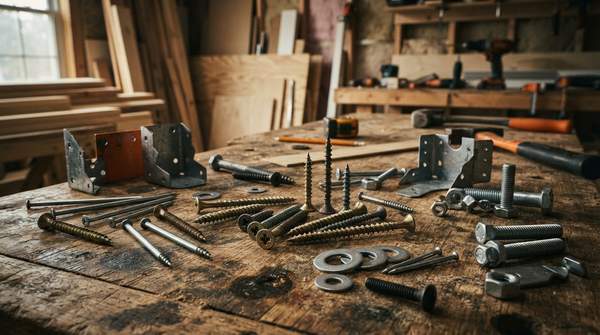
A single improperly chosen bolt can compromise an entire structure, turning a minor oversight into a major safety hazard or an expensive rebuild. Mismatched fasteners lead to catastrophic failures, endangering lives and incurring substantial financial losses for projects.
Fasteners are often seen as simple components, mere procurement checklist items for projects requiring secure connections. However, their correct selection requires complex consideration of materials, loads, and environmental factors, distinguishing optimal performance from premature failure.
Projects that fail to invest sufficient time in fastener and adhesive specification are likely to face unforeseen structural weaknesses, premature failures, and escalating long-term costs. This widespread industry practice of treating fastener selection as a checklist rather than a specialized engineering discipline directly contributes to preventable structural failures.
More Than Just a Screw: Why Fastener Choice Matters
In 2024, a structural failure at a new commercial building in Phoenix caused $3 million in repair costs and significant delays. Investigators blamed under-specified bolts, a direct result of inadequate understanding of shear stress. Small fastener decisions carry disproportionately large risks, far beyond their purchase price.
Effective fastener selection requires a holistic understanding of the project's environment. As pemnet advises, consider materials and application, including moisture, temperature, and chemical exposure, before specification. Fastener material properties must align with joined components and expected forces. Ignoring this leads to galvanic corrosion or material fatigue, shortening assembly lifespan.
The Critical Steps to Secure Connections
Securing connections involves several critical steps beyond simple material compatibility. Meeting load requirements is key, as outlined by pemnet. Engineers must calculate both static and dynamic forces acting upon the joint.
Balancing resistance and strength is crucial, per pemnet. Maximizing tensile strength alone, without considering fatigue or corrosion resistance, leads to suboptimal outcomes. Pemnet also states choosing the appropriate fastener type is the final step. This suggests many firms make design decisions prematurely, compromising structural integrity by selecting fastener types before fully understanding material, application, and load requirements.