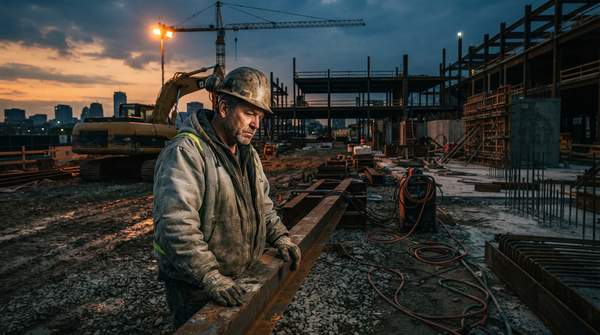
Ferrock, a revolutionary building material, is composed of 95% recycled industrial byproducts. This innovation diverts massive industrial refuse from landfills, transforming it into durable structural components and minimizing construction's environmental impact.
Many assume sustainable building materials are prohibitively expensive. However, options like treated bamboo and Ferrock offer competitive costs with superior environmental performance. This misconception often deters builders from greener alternatives.
As environmental regulations tighten and material costs fluctuate, sustainable building materials are poised to become a mainstream choice. This shift, driven by both ecological necessity and economic viability, will reshape construction practices.
Beyond Concrete: Innovative Sustainable Materials
1. Bamboo
Best for: Flooring, structural elements, decorative finishes
Treated bamboo offers a versatile, rapidly renewable resource. It sequesters up to 12 tonnes of CO2 per hectare per year, according to ContractorForeman. Its significant carbon sequestration potential makes it a powerful tool for reducing a project's overall environmental footprint.
Strengths: Rapidly renewable; strong, flexible; low carbon footprint | Limitations: Requires treatment for durability; some varieties susceptible to moisture | Price: Can cost $4 per square foot, according to kreo.
2. Rammed Earth
Best for: Walls, foundations, thermal mass
Rammed earth construction uses natural raw materials, creating durable, thermally efficient structures. A rammed earth wall costs $450-$750 per square meter, notes kreo. This technique boasts just 1/40 the carbon footprint of concrete, as reported by ContractorForeman. This combination of low cost and minimal environmental impact makes rammed earth a compelling alternative to traditional concrete, especially for projects prioritizing thermal efficiency.
Strengths: Excellent thermal mass; low embodied energy; aesthetically pleasing | Limitations: Labor-intensive; requires specific soil composition | Price: $450-$750 per square meter for walls.
3. Ferrock
Best for: Structural concrete alternatives, industrial applications
Ferrock significantly reduces industrial waste by repurposing 95% recycled materials and industrial byproducts into a building component, according to kreo. As a CO2-binding material, Ferrock not only diverts waste but actively contributes to carbon reduction, offering a dual environmental benefit.
Strengths: High recycled content; strong, durable; binds CO2 | Limitations: Still emerging technology; availability may vary | Price: Information not specified.
4. Hemp
Best for: Insulation, concrete alternatives (hempcrete), fibers
Hemp offers a rapidly renewable crop with diverse construction applications. It absorbs 13 tonnes of CO2 per hectare, states ContractorForeman. Its carbon-negative properties position hemp as a key material for achieving net-zero or even carbon-positive building designs.
Strengths: Rapid growth; carbon negative; good insulation | Limitations: Processing can be energy-intensive; specific building codes | Price: Varies by product form.
5. Straw Bale
Best for: Walls, insulation, natural building
Straw bale construction uses an agricultural byproduct to create highly insulated, structurally sound buildings. This material is incredibly low-cost and offers excellent insulation properties, according to ContractorForeman. Beyond its low cost, straw bale's superior insulation translates directly into reduced long-term energy consumption for heating and cooling.
Strengths: High insulation value; renewable resource; low cost | Limitations: Requires protection from moisture; specific construction techniques | Price: Low-cost material.