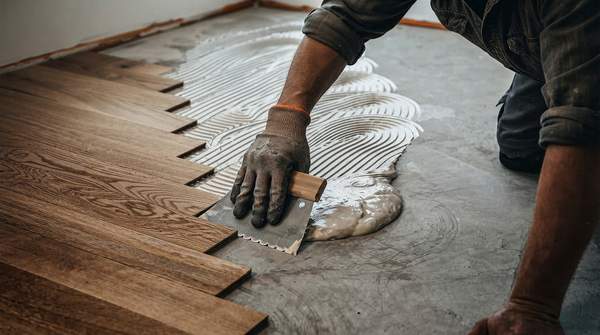
A study published in the Journal of Gerontology found that older adults regularly engaging in creative hobbies like woodworking or knitting reported a 30% lower incidence of depression symptoms. A 30% lower incidence of depression symptoms challenges the notion that leisure activities are merely pastimes, lacking serious therapeutic value. Hands-on creation profoundly impacts senior mental well-being and overall quality of life.
DIY projects, encompassing practical and creative tasks, offer substantial mental, social, and financial benefits for older adults. Despite this, these activities are frequently overlooked as a vital component of healthy aging strategies. The prevailing focus on clinical interventions often overshadows the preventative power and cost-effectiveness of engaging activities. This oversight misses an opportunity to leverage accessible solutions for a growing demographic.
Investing in and promoting accessible DIY programs for seniors will likely yield substantial returns in public health outcomes and individual quality of life. Such initiatives could reduce healthcare burdens, foster financial autonomy, and cultivate more resilient communities. These outcomes may prove more effective and sustainable than many traditional, resource-intensive programs.
The American Occupational Therapy Association (AOTA) highlights DIY activities as powerful tools for promoting fine motor skills, enhancing problem-solving, and stimulating cognitive function in seniors. Learning new skills, from basic gardening to home repairs, boosts self-efficacy and cultivates purpose in later life, according to Psychology Today. Creating or fixing something tangible provides immediate gratification and reinforces capabilities. DIY is not just leisure; it supports mental and cognitive health while instilling purpose and accomplishment.
Beyond Hobbies: Tangible Gains in Health, Wealth, and Connection
Community-based DIY workshops for seniors show measurable benefits. Participation increases social interaction and reduces loneliness by 25%, according to the Community Health Report. These workshops combat social isolation by providing environments for seniors to connect and share skills. Furthermore, older adults undertaking home improvement DIY projects save an average of $500-$1500 annually on maintenance and repair costs compared to hiring professionals, as reported by Consumer Reports. Saving an average of $500-$1500 annually directly contributes to their economic stability.