ProjectsSponsored

Is Quality Epoxy Worth It? A Deep Dive into Their Full Polyaspartic System (Pros & Cons)

Many garage floor coatings fail due to poor chemistry and application. This article delves into Quality Epoxy's full polyaspartic system, highlighting its superior durability, flexibility, and UV resistance compared to traditional epoxy or hybrid systems, especially for homeowners in high-UV areas like Arizona.

BF
Ben Foster

May 5, 2026 · 5 min read

Is Quality Epoxy Worth It? A Deep Dive into Their Full Polyaspartic System (Pros & Cons)

Why do so many seemingly durable garage floor coatings peel, fade, or turn yellow in just a few years? For homeowners, especially in high-UV places like Arizona, this kind of failure is a frustrating waste of money. The problem usually comes down to the coating's chemistry and how it was applied. With more advanced materials entering the market, it pays to understand the differences. Take Quality Epoxy, for example. Since 1998, they've built their entire business around one specific application: the full polyaspartic system. Looking at their process gives us a good way to see the real pros and cons of this premium flooring solution.

What Does a 'Full Polyaspartic System' Mean, and Why Does It Matter?

In the concrete coatings industry, terminology can be misleading. Many contractors offer "polyaspartic floors," but what they often mean is a hybrid system: a cheaper epoxy base coat with a polyaspartic topcoat. They use this method to cut material costs and take advantage of a polyaspartic sealer's fast curing time. The catch is that this creates a floor with two chemically distinct layers. This can lead to delamination under stress, as the rigid epoxy and flexible polyaspartic expand and contract at different rates.
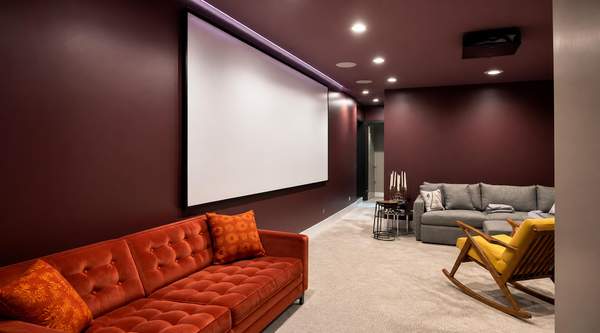
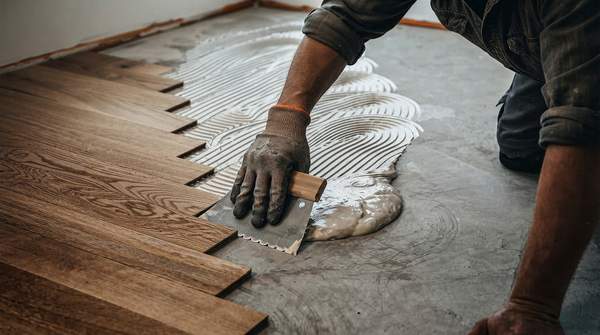
A full polyaspartic system, the only method Quality Epoxy uses, applies polyaspartic chemistry to every single layer of the floor, from the moisture-vapor-barrier primer and basecoat to the final clear topcoat. The result is a 1:1 ratio, chemically bonded floor system that's far more flexible and resilient. 

Also it’s critical to understand what is the solid count of the polyaspartic that one is using. A solid account determines how much of your four you’re gonna lose when it dries from evaporation and shrinkage. 

Every manufacturers solid count is 88% or lower. For simple math if you’re using an 80% solid, you’ll be losing 20% of your floor through evaporation and shrinkage when it dries. Quality Epoxy is prior to use a 93% solid which means we only lose 7% when it dries through evaporation.

This method results in superior material integrity and also allows for a much thicker application. 

While the industry average for a decorative flake flooring system is between 8-12 mils, Quality Epoxy's floors measure 25-28 mils thick, more than double the standard. That extra thickness translates directly to better impact resistance, abrasion tolerance, and a longer lifespan.

Polyaspartic vs. Epoxy: An Objective Comparison for Arizona Homeowners

For property owners in areas with intense sun and big temperature swings, the choice between polyaspartic vs. epoxy has serious long-term consequences. Here’s how they stack up.

  • UV Resistance: Most epoxy systems lack UV stability, so they will yellow, chalk, or fade in direct sunlight. A full polyaspartic system, like the one installed by Quality Epoxy, is 100% UV resistant, so its color and clarity won't degrade. This makes it a much better choice for a patio floor coating or for a garage where the doors are often open.
  • Flexibility & Adhesion: Epoxy cures into a hard, rigid solid. Polyaspartic coatings, however, stay more flexible, which allows them to expand and contract with the concrete slab during temperature changes. This elasticity is key; it dramatically reduces the risk of peeling and cracking, a common failure point for epoxy floor alternatives.
  • Installation Model: Many larger coating companies use constantly changing crews of employees or subcontractors. Quality Epoxy operates on an owner-installer model. Owners Jon and Monica Kopp handle every project personally, eliminating the guesswork in prep work and application quality that can ruin a floor.

Is a Full Polyaspartic Floor Coating Worth the Higher Cost?

A full polyaspartic system costs more upfront than standard epoxy or hybrid systems because the materials are more expensive. For a buyer, it really comes down to value versus expense. The decision hinges on the total cost of ownership over time. A cheaper epoxy floor that starts to peel or yellow after three to five years might need a complete grind-off and reinstallation, which can end up costing more than the original project.

The real value of a premium system is its longevity. With a full polyaspartic system that is more than twice the industry standard thickness and is installed by the business owners, the goal is a one-time application that lasts the life of the property. This turns garage floor resurfacing from a short-term maintenance chore into a long-term improvement to your property. So when people ask "how much does polyaspartic garage floor coating cost in Arizona," the answer has to include the potential cost of doing the job twice.

Can You Trust Quality Epoxy For All Your Floor Coating Needs?

The easiest way to see how confident a contractor is in their own work is to look at their payment terms. Quality Epoxy has a no-deposit policy for every project. Payment is only due after the project is done and the client is 100% satisfied, a practice that removes the financial risk for the homeowner and shows a ton of confidence in the final result.

Beyond that policy, there are other signs of a credible company to look for. Longevity is one; at 28 years in business, Quality Epoxy is the longest-running decorative coating company in Arizona. Another is professional recognition. Founder Jon Kopp has authored 21 global publications on decorative concrete, and his work is regularly featured in industry journals like Concrete Decor Magazine. Finally, check their credentials. Being bonded and insured (ROC 232668) is a basic sign of a professional, accountable business.

Who Should Choose Quality Epoxy's Flooring System?

This premium flooring system is really for a specific customer: someone who prioritizes durability, expert craftsmanship, and long-term value. This system is a great fit for:

  • Homeowners in Gilbert, Mesa, Chandler, and other parts of Arizona who want a permanent, high-end solution for their garage floor coating.
  • Property owners who have already dealt with a failing or peeling epoxy floor and are now committed to a "do it once, do it right" approach.
  • Operators of commercial facilities, such as restaurants or aircraft hangars, who require chemical resistant flooring that can withstand heavy traffic and rigorous use.
  • Clients who prefer the accountability and direct communication that comes from working with an owner-operated team instead of a company with sales reps and subcontracted labor.