Damaged power cords are a leading cause of home fires and electrocution, a risk often overlooked in renovation projects. A significant portion of preventable electrical accidents annually are accounted for by this hazard. Homeowners frequently underestimate the dangers of minor damage to electrical components.
Many home renovation projects involve electrical work, but common shortcuts or a lack of awareness significantly increase the risk of fire and electrocution. This tension between desired renovation outcomes and neglected safety creates genuine peril. A proactive approach to basic electrical safety is not just a best practice, but a critical safeguard against preventable disasters. Diligence in these areas prevents severe consequences.
Homeowners inadvertently create serious electrical hazards during renovations. Securing cords by stapling them or running them under rugs and furniture directly contributes to damaged power cords, a leading cause of home fires and electrocution, according to Constellation. Regularly inspect cords for cracking, fraying, or faults in the insulation, as advised by CCOHS. This widespread ignorance of basic cord integrity elevates accident risk.
Electrical work dangers during home renovations stem from unfamiliarity with codes and overconfidence in DIY abilities. Many homeowners embark on projects without fully understanding the potential for harm. Tasks like installing new outlets or rerouting wiring, if done improperly, can lead to overheating and fire. Even simple tasks, like replacing a light fixture, carry risks if basic precautions are ignored. The absence of proper permitting or professional oversight compounds these issues, as minor electrical alterations can have significant safety implications if not executed correctly.
Essential Steps for Electrical Safety
Check electric tools to ensure a 3-prong plug has an approved 3-wire cord and is grounded, a fundamental safety measure according to CCOHS. This initial check prevents many potential hazards. Use a ground-fault circuit interrupter (GFCI) with extension cords and portable tools; neither insulation nor grounding fully protects from damaged cords, a point emphasized by OSHA. These specific preventative measures mitigate common electrical risks.

Keep all electrical equipment away from water to prevent appliance damage and protect against injury and electrocution, as noted by Constellation. Water conducts electricity, making contact with live current extremely dangerous. These actions form crucial layers of defense against severe consequences, often stemming from renovation activities.
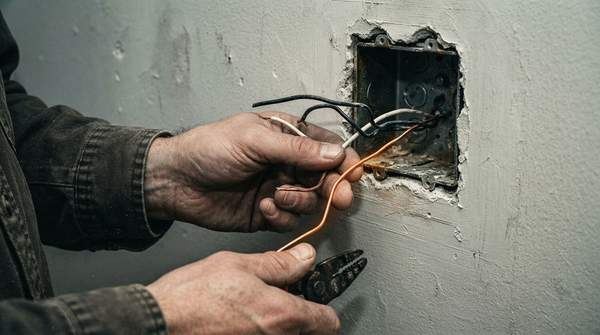
Many homeowners fall into common pitfalls that compromise electrical safety. Overloading circuits by plugging too many high-power tools into a single outlet is a frequent mistake, causing breakers to trip or leading to overheating and potential fires. Using indoor-rated extension cords outdoors, which lack necessary insulation and durability, is another common error. Improper wiring connections, such as exposed bare wires or unsecured connections in junction boxes, present significant shock and fire hazards. These errors often arise from a lack of specialized knowledge or an attempt to save time and money. Shortcuts in electrical work rarely pay off, often leading to costly and dangerous rectifications.
Prioritize electrical safety with careful planning and execution. Always turn off power at the main breaker before any electrical work. Verify circuits are de-energized using a voltage tester. This simple step prevents accidental electrocution.
When in doubt, consult a qualified electrician. Professional expertise ensures compliance with local electrical codes and proper installation. Never attempt complex wiring projects beyond your skill level. Prioritizing professional help for intricate tasks is a sound investment in safety.
What are the common electrical hazards during home renovation?
Common electrical hazards during home renovation include damaged cords from stapling or running them under rugs, overloaded circuits, and improper grounding. The NFPA reports electrical failures or malfunctions were involved in an estimated 46,700 home fires in 2021.
How to ensure electrical safety when remodeling a kitchen?
To ensure electrical safety when remodeling a kitchen, install Ground-Fault Circuit Interrupters (GFCIs) for all outlets near water sources, such as sinks. Also, ensure adequate dedicated circuits for high-power appliances like dishwashers and microwaves to prevent overloading, as recommended by the Electrical Safety Foundation International (ESFI).
What permits are needed for electrical work during renovation?
Permits are typically needed for significant electrical work, such as adding new circuits, relocating outlets, or upgrading service panels. Requirements vary by municipality, but obtaining necessary permits ensures inspections by local authorities, verifying compliance with safety codes before work begins.
Beyond the Basics: Continuous Vigilance
Homeowners often fail to recognize that even double-insulated tools are lethal when dropped in water, as highlighted by OSHA. This widespread failure reveals a critical gap in public electrical safety education, putting homeowners at unnecessary risk during renovations. Resisting the initial human response to grab equipment without first disconnecting the power source is crucial in such emergencies.
Beyond immediate actions, understanding equipment limits and maintaining continuous vigilance forms the bedrock of comprehensive electrical safety. This includes minor practices, like unplugging unused appliances to reduce phantom power drain and protect them from overheating or power surges, according to Constellation. These small, consistent efforts significantly enhance overall safety. Consistent adherence to these protocols will likely reduce renovation-related electrical incidents, safeguarding homes and families.