Electrical Safety Measures for Tradesperson On-Site Protection

Despite a projected $23.

BF
Ben Foster

April 18, 2026 · 7 min read

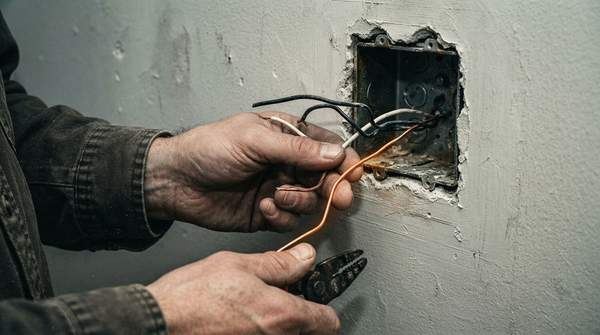
Tradesperson wearing specialized electrical safety gear performing a lockout/tagout procedure on an electrical panel on a busy construction site.

Despite a projected $23.19 billion market for electrical safety personal protective equipment (PPE) by 2030, Lockout/Tagout (LOTO) violations persist as one of OSHA's most frequently cited standards. Federal records show 2,177 LOTO violations in fiscal year 2025. A significant gap between investment in safety gear and adherence to fundamental procedures leaves tradespersons vulnerable to preventable electrical incidents. The growing electrical safety PPE market, projected to reach $23.19 billion by 2030 (CAGR of 7.5% between 2026 and 2030, The Business Research Company), driven by global infrastructure modernization, creates a critical disconnect: advanced tools are available, but their consistent, correct application lags. Robust training and diligent enforcement are therefore as crucial as the equipment itself.

1. Lockout/Tagout Devices/Procedures for Site Safety

Best for: Preventing unexpected energization during maintenance or repair

Lockout/Tagout (LOTO) procedures control hazardous energy sources. OSHA's FY 2025 Top 10 list recorded 2,177 LOTO (29 CFR 1910.147) violations, according to Grace Technologies. A consistent citation confirms LOTO's critical role in preventing electrical incidents. Effective LOTO implementation demands strict adherence to documented procedures and regular audits; its persistent violation implies a failure in consistent application, not just equipment availability.

Strengths: Directly prevents accidental energization; mandated by OSHA regulations | Limitations: Requires rigorous training and consistent enforcement; prone to human error if not followed strictly | Price: Varies for devices, training, and program implementation

2. Arc Flash PPE for Electrical Protection

Best for: Protecting against severe burns and injuries from electrical arc flashes

Arc flash PPE includes flame-resistant clothing, gloves, face shields, and head protection designed to withstand extreme heat. A formal arc flash risk assessment is a central component of electrical safety programs, evaluating fault current, protective device clearing times, and working distances, according to Lewis Bass International. The assessment ensures arc flash PPE is correctly specified, making it crucial for protecting against severe electrical hazards. The market's growth confirms its increasing adoption, yet proper selection based on assessment remains critical.

Strengths: Provides critical protection against high-energy electrical events; available in various protection levels | Limitations: Can be bulky and reduce mobility; proper fit and layering are essential | Price: $200 - $2,000+ per suit, depending on protection level

3. Safety Labeling (for energized equipment)

Best for: Proactive hazard identification and informed decision-making

Updated National Electrical Code (NEC) language mandates more detailed safety information on equipment labels. This includes system voltage, arc flash boundary, incident energy level or PPE requirement, and arc flash study date, according to Lewis Bass International. Switchboards, motor control centers, and panelboards will increasingly require compliant safety labeling under the 2026 NEC cycle. Such labeling is essential for proactive hazard identification and safer work practices, providing critical information before engaging with energized equipment. However, the efficacy of these labels depends on consistent updates and tradesperson training to interpret them.

Strengths: Enhances awareness of specific electrical hazards; aids in selecting correct PPE | Limitations: Effectiveness relies on proper installation and maintenance of labels; can be overlooked if not consistently checked | Price: Varies by label type and quantity

4. Arc Flash Risk Assessment

Best for: Determining necessary PPE and safe work procedures

A formal arc flash risk assessment is foundational for determining necessary arc flash PPE and establishing safe work procedures. It evaluates fault current, protective device clearing times, working distances, and system configuration, according to Lewis Bass International. The assessment must be a living document, regularly updated to reflect equipment or procedure changes. Ensuring specific hazards are identified and addressed, it confirms that safety is an ongoing process, not a one-time compliance check.

Strengths: Provides data-driven basis for safety protocols; crucial for compliance with industry standards | Limitations: Requires specialized expertise; ongoing updates are necessary to maintain accuracy | Price: $1,000 - $10,000+ depending on facility size and complexity

5. Electrical Safety Training

Best for: Ensuring proper implementation of safety procedures and effective use of PPE

Effective electrical safety training is shifting to scenario-based and task-specific approaches. OSHA data shows electrical incidents often occur when assumptions replace verification and procedures are treated as flexible, according to Grace Technologies. Such training is vital for ensuring proper implementation of safety procedures and effective use of PPE, directly addressing human factors that contribute to incidents. The shift implies that rote memorization is insufficient for complex, dynamic work environments, demanding practical application of knowledge.

Strengths: Improves hazard recognition and response; reinforces procedural compliance | Limitations: Requires regular refreshers; quality varies among providers | Price: $100 - $1,000+ per person, depending on course depth

6. Head Protection (Hard Hats)

Best for: Protecting against impacts, falling objects, and electrical hazards

Hard hats are fundamental, universally required PPE. They must be replaced every 2 years if worn daily, with suspensions replaced yearly, according to HSI. Their constant necessity and regulated nature protects against impacts, falling objects, and provides some electrical insulation. The strict replacement schedule implies that even minor wear can compromise protection, making consistent maintenance as critical as initial provision.

Strengths: Basic, universal protection; available with various features like integrated face shields | Limitations: Must be regularly inspected for damage; proper fit is crucial | Price: $20 - $100+

7. Leg and Foot Protection (Safety Boots/Pants)

Best for: Guarding against punctures, impacts, electrical shocks, and chemical splashes

Leg and foot protection, including safety boots and protective pants, are essential PPE determined by workplace hazard assessments. Employers must conduct a hazard assessment to determine the protection needed, according to HSI. Such protection provides foundational defense against various on-site risks and is mandated as part of comprehensive safety protocols. Safety boots often feature steel toes, metatarsal guards, and electrical hazard ratings. The requirement for specific hazard assessments implies that generic PPE is insufficient; tailored solutions are necessary for effective protection.

Strengths: Protects against common workplace injuries; can offer electrical hazard protection | Limitations: Can be heavy and reduce dexterity; must meet specific safety standards | Price: $100 - $300+

8. Smart PPE (incorporating IoT and sensor technologies)

Best for: Real-time monitoring, enhanced hazard detection, and proactive safety alerts

The market is shifting towards smart PPE, integrating IoT and sensor technologies for enhanced safety and monitoring, according to IndexBox. The emerging category offers protection beyond traditional PPE. The market bifurcates into cost-sensitive and premium segments for enhanced protection, ergonomics, and smart features, according to ResearchAndMarkets. Confirming its growing importance for future on-site safety through data-driven insights. However, the market split implies cost remains a barrier to widespread adoption, potentially creating a two-tiered safety standard.

Beyond the Purchase: Maintenance and Compliance Challenges

Safety Tool/ProtocolKey Maintenance/Compliance RequirementCompliance Challenge
Lockout/Tagout Devices/ProceduresAnnual review of procedures, regular employee training, inspection of devicesOSHA's FY 2025 Top 10 list recorded 2,177 Lockout/Tagout (29 CFR 1910.147) violations. This standard's persistent violation indicates ongoing compliance challenges.dard remains one of OSHA's most frequently cited, indicating a persistent failure in consistent application.
Arc Flash PPERegular inspection for damage, proper cleaning, adherence to manufacturer's lifespanWhile market growth for arc flash PPE is significant, ensuring all tradespersons consistently wear correctly rated and maintained gear remains a challenge, especially in dynamic work environments.
Safety Labeling (for energized equipment)Labels must be updated with current arc flash study data and system changes; labels must be legible and properly affixedKeeping labels current and visible on all applicable equipment can be resource-intensive, particularly in facilities with frequent modifications or aging infrastructure.
Head Protection (Hard Hats)Replace every 2 years if worn daily; suspensions replaced yearly; inspect for cracks, dents, or signs of impactCompliance with replacement schedules is often overlooked, leading to compromised protection. A hard hat's protective capabilities diminish over time, even without visible damage.

Persistent violations of critical safety standards like Lockout/Tagout, coupled with specific PPE maintenance requirements, reveal ongoing challenges in consistent on-site safety adherence. Simply acquiring safety equipment does not guarantee a safe working environment. The projected $23.19 billion electrical safety PPE market by 2030, juxtaposed with OSHA's consistent citation of 2,177 Lockout/Tagout violations in FY 2025, exposes a dangerous illusion: purchasing gear does not equate to actual safety.

If current trends persist, the expanding electrical safety PPE market, driven by infrastructure modernization, will likely continue to mask a critical gap in on-site safety, unless training and rigorous enforcement of foundational protocols like Lockout/Tagout significantly improve.

Frequently Asked Questions About Electrical Safety

What are the primary types of electrical hazards on a job site?

Electrical hazards on a job site primarily include electric shock, arc flash, and arc blast. Electric shock occurs when current passes through the body, while an arc flash is a sudden release of electrical energy that can cause severe burns. An arc blast is the explosive force resulting from an arc flash, which can cause physical trauma and propel objects.

How often should electrical safety training be updated for tradespersons?

Electrical safety training should be updated regularly, typically annually, or whenever there are changes in equipment, procedures, or regulations. While not a strict legal mandate for all aspects, best practices suggest frequent refreshers to ensure that tradespersons retain critical knowledge and adapt to evolving safety standards and technologies.

Why is there a growing market for smart PPE in electrical safety?

The market for smart PPE in electrical safety is growing because these devices offer enhanced monitoring and proactive safety features not found in traditional gear. They can integrate sensors for real-time hazard detection, physiological monitoring of workers, and communication capabilities. This shift responds to the increasing complexity of electrical systems and the desire for data-driven safety management, beyond just passive protection.