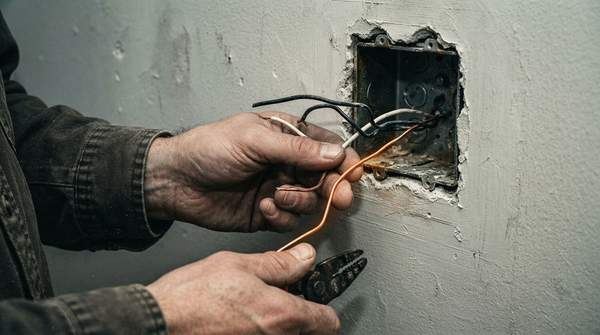
To maximize grip strength and prevent strain, tool handles like pliers or wire strippers must maintain a precise distance: 2.5 to 3.5 inches, according to Great American Insurance Group. This specific measurement directly reduces physical demands on skilled trade workers. Ignoring this detail leads to hand fatigue and discomfort, directly impacting efficiency.
Effective ergonomic solutions are well-documented and simple to implement. Yet, many skilled trade workers continue to experience preventable injuries. Many skilled trade workers continue to experience preventable injuries, indicating a systemic failure in adoption, not a lack of available knowledge.
Companies and individual workers prioritizing these ergonomic controls will likely see substantial injury reductions. Such commitment fosters a healthier, more efficient workforce and significantly lowers associated costs.
The Core Principles of Ergonomic Safety
Comprehensive safety demands diverse ergonomic control measures. Great American Insurance Group recommends methods such as reducing vibration, minimizing torque, using proper grips, controlling force, and adjusting hand positioning. These measures directly address varied physical demands across skilled trades. Implementing them protects workers from conditions like hand-arm vibration syndrome and reduces stress on joints. Crucially, these controls also preserve a worker's long-term skill and career longevity, preventing premature burnout or disability.
Building a Proactive Ergonomic Program
Effective ergonomic implementation requires dedicated organizational oversight and continuous program evaluation. Safety committees, as outlined by Great American Insurance Group, can effectively control ergonomic hazards by creating and evaluating safety programs. These committees must identify potential issues and ensure ergonomic improvements are proactive. Without such a structured approach, ergonomic efforts remain reactive, failing to prevent injuries before they occur and leaving workers exposed.