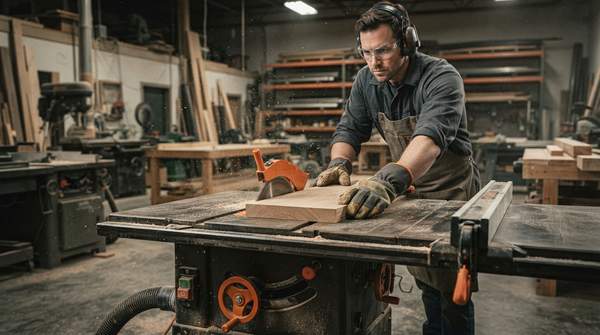
In 2022, over 2.8 million non-fatal workplace injuries were reported (Bureau of Labor Statistics). A significant portion impacted tradespeople across sectors, many preventable with basic safety gear (OSHA). These are not just statistics; they are lost wages, prolonged recovery times, and altered livelihoods for skilled professionals.
Workplace injuries are costly and preventable. Yet, many tradespeople forgo essential safety gear due to perceived inconvenience or upfront expense. Such choices lead to severe consequences that far outweigh initial comfort or savings.
The industry will likely continue experiencing preventable injuries and financial burdens until a cultural shift prioritizes safety investment over short-term costs. An average workplace injury costs $42,000, covering direct and indirect expenses (National Safety Council). A single serious injury can also bring significant fines for employers and cripple a worker's livelihood (State Workers' Comp Boards). The high price of neglecting safety is underscored by these financial realities.
Your Essential Safety Arsenal
Head injuries account for 10-20% of all construction site fatalities (CDC). Yet, properly fitted hard hats reduce head injury risk by 85% (National Safety Council, data from 2022). The critical role of specific PPE in preventing severe, often fatal, outcomes is highlighted by this stark contrast. Equipping tradespeople with the right gear is not optional; it is a direct investment in life and livelihood.
Steel-Toed Boots
Best for: Construction workers, welders, heavy equipment operators, warehouse staff
Steel-toed boots protect feet from falling objects, heavy machinery, and sharp tools. They are foundational PPE for anyone in environments with potential foot hazards, reducing crushing injuries or punctures.
Strengths: Superior impact and compression protection | Limitations: Can be heavier and less flexible than regular boots | Price: $70-$200
Hard Hats
Best for: Construction workers, electricians, plumbers, roofers, arborists
Hard hats absorb impact shock and prevent serious head injuries from falling tools or materials. They are crucial where overhead hazards exist, providing a barrier against blunt force trauma.
Strengths: Excellent impact protection, often includes chin straps for secure fit | Limitations: Can be uncomfortable in hot weather, must be inspected regularly for damage | Price: $20-$100
High-Visibility Clothing
Best for: Road construction crews, utility workers, warehouse and factory personnel, night shift workers
High-visibility clothing ensures workers are easily seen in low-light or high-traffic areas, preventing accidents. This gear uses fluorescent materials and reflective strips to enhance visibility to vehicle operators and machine handlers.
Strengths: Significantly increases worker visibility in hazardous conditions | Limitations: Can be less breathable than standard workwear | Price: $15-$70
Gloves
Best for: Carpenters, welders, electricians, plumbers, landscapers, mechanics
Gloves protect hands from cuts, abrasions, burns, and chemical exposure, with specialized types for different trades. The right glove prevents a wide range of hand injuries.
Strengths: Wide variety for specific tasks, excellent dexterity for many models | Limitations: Can reduce tactile feel, may need frequent replacement | Price: $5-$50
Safety Glasses and Goggles
Best for: Welders, electricians, carpenters, machinists, plumbers, painters
Safety glasses and goggles shield eyes from debris, dust, chemicals, and sparks, vital in welding, electrical work, and machining. Eye injuries cost US businesses over $300 million annually in medical expenses and lost productivity (Prevent Blindness).
Strengths: Protects against flying particles and splashes, lightweight | Limitations: Can fog up, may not provide full facial protection | Price: $10-$60
Hearing Protection
Best for: Construction workers, factory workers, airport ground crew, heavy equipment operators
Hearing protection, such as earplugs or earmuffs, prevents long-term hearing damage from noisy trade environments. Consistent use mitigates effects of continuous exposure to loud machinery.
Strengths: Prevents permanent hearing loss, available in various comfort levels | Limitations: Can hinder communication, requires proper fit for effectiveness | Price: $5-$100
Respiratory Protection
Best for: Painters, welders, demolition crews, asbestos abatement workers, woodworkers
Respiratory protection safeguards against airborne hazards like dust, fumes, and chemicals. Respirators are critical for maintaining lung health in contaminated environments.
Strengths: Protects lungs from harmful particulates and gases | Limitations: Can be uncomfortable, requires fit testing for optimal protection | Price: $10-$200
Knee Pads
Best for: Plumbers, roofers, flooring installers, carpenters, landscapers
Knee pads protect trades that involve frequent kneeling or working on hard surfaces. They prevent discomfort, bruising, and long-term joint issues from repetitive knee stress.
Strengths: Reduces knee strain and injury, improves comfort for prolonged kneeling | Limitations: Can restrict movement, may shift during active work | Price: $15-$70
Face Shields
Best for: Grinders, welders, chemical handlers, medical personnel, woodworkers
Face shields offer broader facial protection than safety glasses, especially against splashes or flying debris. They provide a barrier for the entire face from impacts, chemical splashes, and heat.
Strengths: Comprehensive facial protection, often worn over other eye protection | Limitations: Can be bulky, may impair peripheral vision | Price: $20-$80
Harnesses and Fall Protection Gear
Best for: Roofers, scaffold builders, utility pole workers, window washers, bridge inspectors
Falls are the leading cause of death in construction, accounting for 37.8% of fatalities (OSHA, data from 2022). Despite this, fall protection equipment, used correctly, can prevent 100% of fall-related fatalities (3M Safety, data from 2022) (3M Safety). This gear is essential for anyone working at heights, as emphasized by West Virginia Women Work.
Strengths: Prevents severe injury or death from falls, distributes impact forces | Limitations: Requires proper training and regular inspection, can be cumbersome | Price: $100-$500+