A portable generator can keep a fridge running, a sump pump working, or a job site lit during an outage—but the same machine produces three life-threatening hazards. The Occupational Safety and Health Administration (OSHA) identifies shocks and electrocution, carbon monoxide (CO) from exhaust, and fires from improper refueling or fuel storage as the defining risks of generator use. The good news is that each risk has a straightforward, evidence-backed countermeasure. Here are the five practices safety authorities consistently recommend, and a pre-operation checklist that consolidates them into a sequence you can run through before every startup.
Understanding the Three Primary Hazards
First, know what you are mitigating. Carbon monoxide is a colorless, odorless, toxic gas emitted by generator exhaust; the National Fire Protection Association calls it a poisonous, deadly gas, and Tower Hill Insurance's preparedness guidance warns exposure can cause serious illness or death before a person even recognizes the symptoms. Electrocution risk comes from the electricity itself: OSHA notes generator power carries the same hazards as utility-supplied electricity, plus additional danger because users often bypass built-in safety devices such as circuit breakers. Fires result from refueling a hot engine or storing fuel improperly. Each practice below is aimed squarely at one of these hazards.
Practice 1: Place the Generator Outdoors, Well Away From Openings
The single most important CO rule is absolute: never run a generator inside a home, garage, basement, crawlspace, or any partially enclosed area. The Red Cross warns that opening doors and windows or using fans will not prevent CO buildup indoors, and a Coventry, Connecticut safety bulletin echoes that fans and open doors cannot supply enough fresh air against fatal fumes. Placement matters outdoors too. Keep the unit away from doors, windows, and vents that could let exhaust drift inside—guidance from the Electrical Safety Foundation International (ESFI) specifies keeping generators at least 20 feet from doors and windows, and never operating one in an enclosed space. Positioning it away from the structure also satisfies fire-safety clearance from combustible materials.
Practice 2: Make Secure Electrical Connections Only
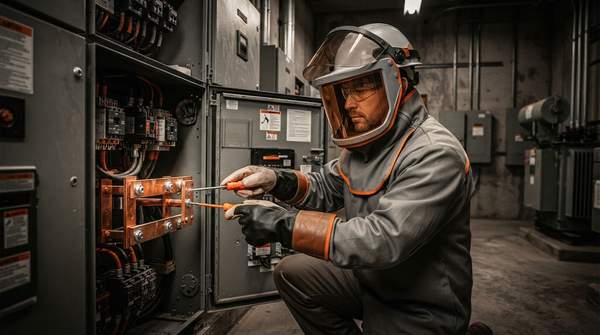
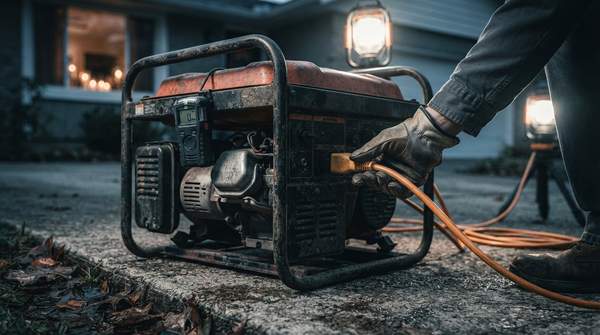
Never plug a generator into a wall outlet or main electrical panel to power a building—a practice called backfeeding. Southern PD, a police department sharing Energy.gov-derived tips, warns that backfeeding creates electrocution risk not only for the operator but also for utility lineworkers, and that only a licensed electrician should connect a generator to a main panel, installing an approved automatic transfer switch so the building's wiring disconnects from the utility system before generator use. OSHA's guidance is the same: never attach a generator directly to a structure's electrical system unless a qualified electrician has installed a transfer switch. For appliance-level connections, use heavy-duty, outdoor-rated extension cords in good condition, with a wire gauge adequate for the load. OSHA adds that a generator should be properly grounded per the manufacturer's instructions.
Practice 3: Keep It Dry
Because generator electricity behaves like utility power, water contact turns the machine into an electrocution hazard. OSHA's fact sheet directs users to keep the generator dry and avoid using it in rain or wet conditions, protecting it with a canopy if needed—and to never touch a generator's electrical components while wet or standing in water. Any electrical equipment that has been submerged should be powered off, thoroughly dried, and evaluated before use, and equipment with strange odors or smoke should be shut down immediately. A dry, level surface outdoors combines this protection with the CO placement rules above.
Practice 4: Refuel Only a Cool Engine, and Store Fuel Properly
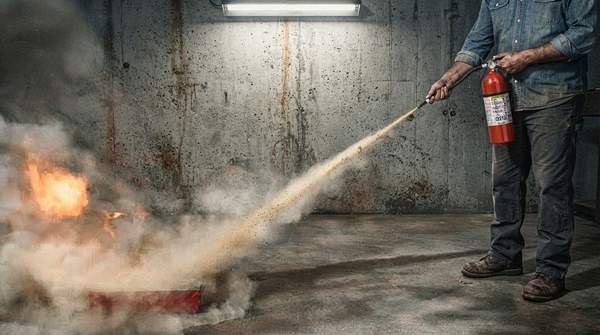
Fires start when fuel meets a hot engine. Tower Hill's guidance is to turn the generator off before refueling and allow the engine to cool completely before adding fuel. For storage, keep gasoline and other fuels in approved, properly labeled containers in a well-ventilated location away from living spaces and ignition sources. Before each operation, inspect fuel lines, connections, and other components for leaks or damage—an item that also appears on poweroutage.us's generator readiness checklist. Discard expired stored fuel rather than running it through the machine.
Practice 5: Manage the Load and Read the Manual
Even a properly connected generator can become overloaded, overheating or failing, according to the Red Cross—so read the instructions, and stagger the operating times of high-draw equipment to prevent overloads. Every authority cited here returns to the same foundation: read and follow the manufacturer's operating instructions, including its maintenance schedule and grounding methods. This article covers portable, fuel-powered generators only—permanently installed standby generators and battery power stations have different requirements, and generator electrical advice never replaces a qualified electrician, particularly for transfer-switch installation.
Portable Generator Pre-Operation Safety Checklist
This checklist consolidates the procedural warnings from OSHA, the Red Cross, ESFI, and the other safety sources above into one ordered sequence. Run through it every time before startup, under the three risk headings.
| Step | Hazard Prevented | Check Before Startup |
|---|---|---|
| 1 | Carbon monoxide | Generator is outdoors only—never inside a home, garage, basement, or crawlspace—and at least 20 feet from doors, windows, and vents |
| 2 | Carbon monoxide | A battery-powered CO detector is present in the operating area, per the Coventry, CT safety tips |
| 3 | Electrocution | Generator sits on a dry, level surface, clear of water; a canopy protects it if weather threatens |
| 4 | Electrocution | Connections use heavy-duty, outdoor-rated cords in good condition; no wall outlet or main panel connection exists without an electrician-installed transfer switch |
| 5 | Fire | Engine is cool and switched off before any refueling; fuel lines and connections show no leaks or damage |
| 6 | Overload / failure | Planned appliance load is calculated and staggered so the generator is not overloaded |
If any item fails, stop and correct it before starting the engine. That pause is the entire point: each check exists because the underlying failure mode—a CO buildup indoors, a backfed panel, a fire from a hot refuel—has documented, fatal consequences.
Stay Safe: Your Generator Safety Action Plan
Your decision: always follow a pre-operation safety checklist before using a portable generator to prevent carbon monoxide poisoning, electrocution, and fire. The measurable indicator that tells you the plan worked on any given day is simple and concrete—successful completion of all checklist items before generator startup. Follow the manufacturer's instructions in your specific model's manual, consult a qualified electrician before any home wiring connection, and treat every outage, from a storm at home to a job site after a disaster, as a fresh run-through of the checklist rather than a reason to skip steps.
Sources
- OSHA
- Generator Safety Tip Sheet — NFPA
- Generator Safety — Tower Hill Insurance
- Safe Generator Use — Redcross
- Coventry CT
- ESFI
- Generator Safety Tips — Southernpd
- Poweroutage