For most residential pest problems, no single method is the "right" answer. The best choice depends on three things: how severe your infestation is, how quickly you need results, and how much you prioritize safety and environmental impact. Preventative measures like sealing gaps are the safest and most eco-friendly foundation, chemical pesticides act fastest against severe infestations but carry health and environmental risks, and organic or biological options trade speed for a gentler footprint. The US Environmental Protection Agency frames the most complete strategy as Integrated Pest Management (IPM), which combines methods rather than choosing one. Here is how the three core approaches compare, and how to decide between them.
Understanding Your Pest Control Options
Residential pest control generally falls into three philosophies. Preventative (or physical) control stops pests before they arrive, using barriers and habitat changes. Chemical control uses pesticides to eliminate existing populations. Organic and biological control relies on natural substances, predators, or microbes. The EPA describes IPM as "an effective and environmentally sensitive approach to pest management that relies on a combination of common-sense practices," using current information on pest life cycles and how pests interact with their environment. In other words, the official guidance is not to pick a single tool, but to layer them deliberately.
Preventative Pest Control: The First Line of Defense
Preventative control means denying pests entry and shelter in the first place. FieldRoutes, a pest management software provider, gives concrete examples: installing door sweeps or sealing gaps deters rodents and cockroaches. The advantages it lists are that these measures are effective before an infestation starts, eco-friendly because they reduce the need for chemical measures, and long-lasting in ways that improve overall building maintenance.
The trade-offs are real, though. Preventative work requires routine inspection and maintenance to stay effective, and it may be less effective against flying insects such as mosquitoes without additional services. Higher-quality materials can also cost more upfront. The key limitation: prevention works over time by avoiding problems, so it cannot resolve an infestation that has already taken hold.
Chemical Pest Control: Fast Action, Higher Stakes
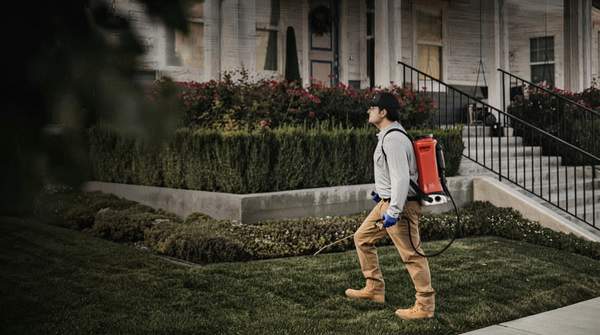
When you need pests gone now, chemical treatments are the strongest option. Home Paramount Pest Control, a residential pest control provider, describes chemical pesticides as designed to work quickly, "often eliminating pests within hours or days," and notes they are more potent against severe infestations and can wipe out entire pest populations. Many treatments also offer residual protection, continuing to work after application.
The same source is equally direct about the downsides: chemical pesticides can contaminate soil, water, and non-target species, and some treatments pose health risks to humans and pets, especially if used improperly or in large quantities. Pests can also develop resistance over time, reducing long-term effectiveness. The EPA's guidance for homeowners reinforces this caution: routine pesticide applications in and around your home are not advisable unless there is a persistent infestation and non-chemical methods have already failed.