
Circuit Breakers
7 articles
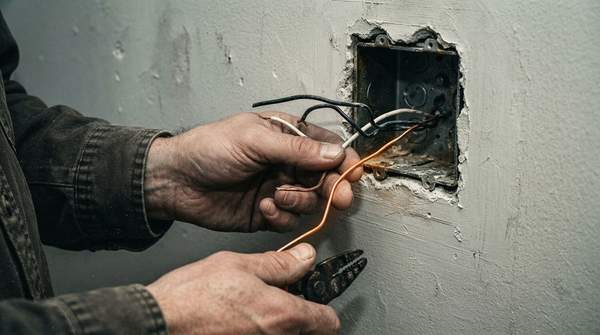
Grounding vs. Bonding: Two Separate Systems That Protect Your Home From Different Electrical Hazards
Grounding connects your home's electrical system to the earth to protect against external threats like lightning and surges, while bonding connects all metal parts together to clear internal faults by ensuring circuit breakers trip quickly.

How Residential Electrical Wiring Safety Circuits Troubleshooting Works
Even sporadic flickering lights, often dismissed as a minor annoyance, can be a critical warning sign of faulty wiring that leads to electrical fires.

Understanding Residential Electrical Problems and Safety Risks
Loose wiring inside a seemingly 'dead' outlet can still carry live current, creating an invisible shock hazard.

Top 8 Best Safety Practices for Electrical Systems in 2026
Most homeowners have not engaged a certified electrical inspector for a decade, despite electrical shock being the predominant reported accident among participants in a recent PMC study.

What Are GFCI and AFCI Breakers and Why Do They Matter?
Standard circuit breakers, ubiquitous in homes, are blind to the very electrical arcs that ignite thousands of house fires annually.

What Are Electrical Grounding and Bonding Principles for Safety?
When a ground fault occurs, a properly installed ground wire can divert dangerous current through an outlet's ground prong.

A Guide to Residential Electrical Wiring Basics for Homeowners
This guide demystifies residential electrical wiring, explaining how power safely flows from the street to your home's outlets. Learn the basics of your electrical system to troubleshoot minor issues and approach simple projects with confidence.