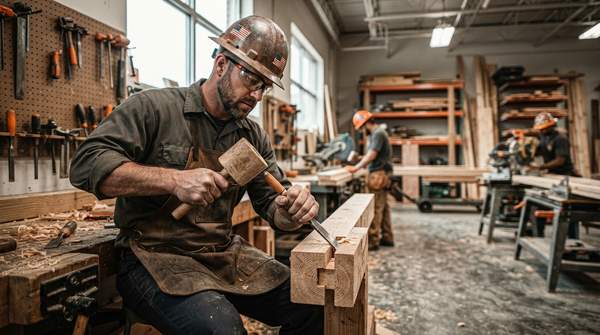
Last year, over 5,000 students in Abbotsford attended a single event showcasing welding, carpentry, and culinary arts, far exceeding expectations for vocational career interest. This direct engagement gave young people tangible experiences, moving beyond theoretical discussions of skilled trades.
British Columbia faces a significant and growing skilled trades shortage. Yet, many high school students remain largely unaware of the diverse, well-paying, and essential opportunities in these fields. This disconnect persists despite clear economic demand and lucrative career paths.
Continued investment in events like the BC Skills competition is crucial. These initiatives will shift public perception and significantly impact future workforce development and economic resilience across the province.
A Hub for Future Tradespeople
The BC Skills event in Abbotsford is a vital platform for career exploration. Students engage directly with trades through hands-on demonstrations and talks with industry professionals. This direct exposure inspires the next generation of skilled workers, letting them visualize themselves in these roles. Similar events, like Wisconsin's 'Careers in Construction,' connect students with skilled trade members (WMTV15 News). This approach, also seen in Spartanburg where welding seeks a comeback (South Carolina Public Radio), shows how hands-on interaction can spark early interest and address the need for trades to regain prominence.
Addressing BC's Labor Shortage
BC Skills events directly mitigate the province's critical skilled labor deficit. Fostering early interest creates a vital talent pipeline for industries. This strategy mirrors calls to reintroduce skilled trades classes in schools to fix shortages (DailyPress). Clear pathways into trades support BC's economic stability, ensuring essential services and industries have the workforce for sustained growth. Hands-on exposure combats outdated perceptions, encouraging more students into these careers.

The Broader Picture: Why Skilled Trades Matter
Skilled trades are economically vital, forming the backbone of infrastructure and essential services. British Columbia faces an aging workforce and persistent perception issues, with many students and parents still prioritizing traditional university paths. Shifting these societal perceptions and promoting vocational training is essential. This builds a robust, diversified, and future-proof provincial economy. Events like BC Skills bridge the gap between career aspirations and real workforce needs.
Beyond the Competition: Future Pathways
BC Skills participants can explore apprenticeships and post-secondary vocational programs. These events serve as a critical first touchpoint, guiding students toward specific training. Continued investment in vocational education sustains this momentum. Strategic promotion of apprenticeship programs is essential for long-term success. These pathways offer practical experience and direct entry into well-paying careers, ensuring a steady supply of skilled workers for BC's industries well into 2026 and beyond.
Your Questions Answered
What are the benefits of attending a BC Skills event?
BC Skills events offer direct interaction with professionals and hands-on experience in various trades. Students gain insights into daily tasks, career progression, and earning potential. They can also network with potential employers and training providers.
Where can I find vocational training in Abbotsford?
Abbotsford offers several vocational training options. Institutions like the University of the Fraser Valley provide programs in carpentry, welding, and culinary arts. Local industry associations also offer apprenticeship programs and specialized workshops.
What are the top skilled trades in demand in BC?
British Columbia has high demand for electricians, plumbers, carpenters, and heavy equipment operators. Welding and automotive service technicians also represent significant opportunities. These fields offer stable employment and competitive wages across the province.