
All Stories
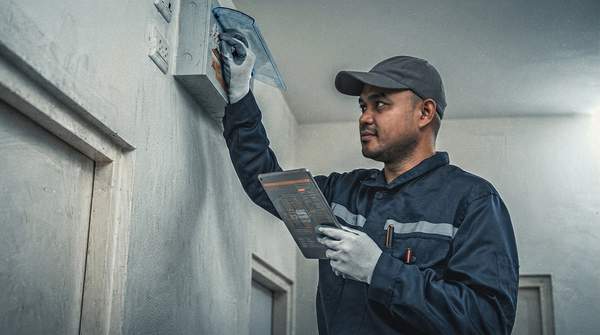
Five Rules That Keep Homeowners Safe at the Electrical Panel—and the Line Where DIY Stops
Homeowners can safely perform a few tasks at their electrical panel, like resetting breakers, by following specific safety rules. However, any task requiring the panel cover removal is strictly for qualified electricians due to significant risks like arc flash and electric shock.

Choosing the Right Fastener: A Three-Question DIY Decision Framework
Choosing the right fastener for your DIY project involves answering three key questions: what materials are you joining, what load will the joint carry, and what environmental conditions will it face? This framework helps narrow down options for screws, bolts, and specialty fasteners to ensure project durability and integrity.

Five Key Considerations When Choosing a General Contractor for Your Home Renovation
Choosing the right general contractor for your home renovation is crucial for project success. Key areas to focus on include verifying credentials, assessing communication and compatibility, and thoroughly scrutinizing contract terms.
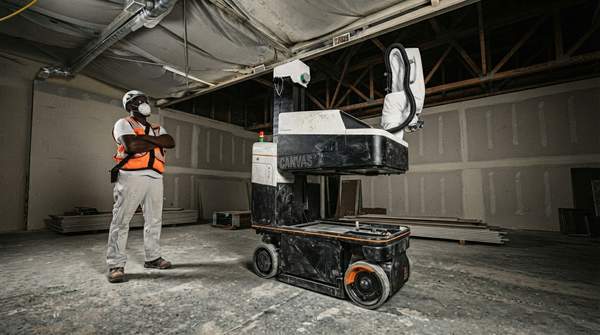
Robots on the Job Site: The Three Categories of Construction Automation and Why Firms Are Buying In
Construction is rapidly adopting robotics, categorized into material handling, task execution, and inspection/monitoring. Firms are investing in automation to address labor shortages, enhance safety, and improve efficiency.

How here2elevate Solves the Owner Bottleneck in Real Estate Businesses
Real estate businesses often face an "owner bottleneck," where the owner's limited capacity hinders growth and decision-making. here2elevate offers on-demand executive talent as a solution, enabling scaling without overwhelming the owner.

Five Tools That Cover Basic Watch Maintenance at Home
Learn about the five essential tools needed for basic home watch maintenance on non-luxury timepieces. This minimal kit covers common tasks like battery replacement and strap adjustments.
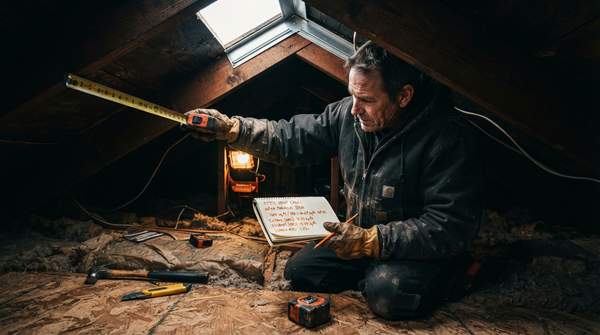
How to Calculate Attic Ventilation: The NFVA Formula, the 1/150 Rule, and a Worked Example
Learn how to calculate attic ventilation requirements using the 1/150 rule and the Net Free Vent Area (NFVA) formula. This guide explains how to balance intake and exhaust vents and adjust for vent screens for optimal attic airflow.
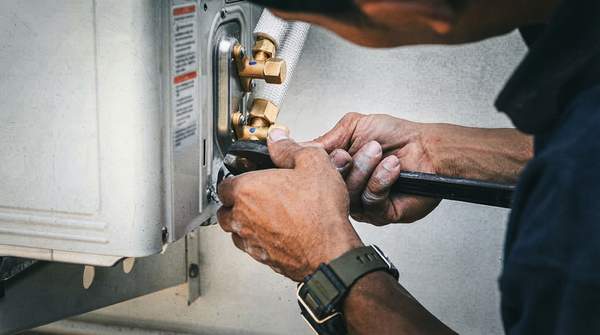
Five Common HVAC Problems: What You Can Fix Yourself and When to Call a Pro
This guide helps homeowners identify five common HVAC problems, detailing safe DIY troubleshooting steps and clearly indicating when to call a professional for complex issues. It emphasizes preventative maintenance to avoid breakdowns and ensure system efficiency.

Which Professional Drain Tool Clears Which Clog: A Working Comparison
Selecting the correct professional drain cleaning tool is crucial for effectively clearing clogs, as each type is designed for specific obstructions. This comparison details cable machines, water jetters, flexible-shaft cleaners, and inspection cameras to guide your choice.

5 Reasons Vehicle Owners Choose Auto Glass Force for Auto Glass Replacement
When a rock chip becomes a crack or a window is shattered, finding a reliable service for auto glass replacement is a top priority for any vehicle owner. The quality of the repair not only affects your car's appearance b…
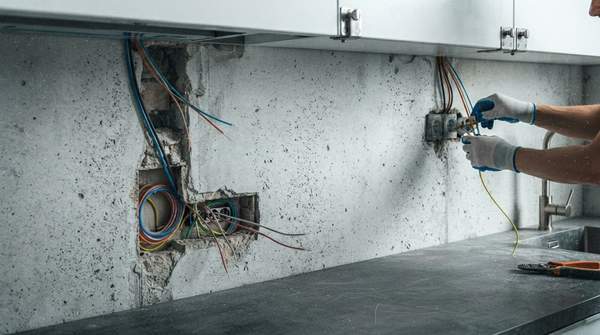
How to Run an NEC Load Calculation to See If Your Home Can Handle a New Kitchen Circuit
Learn how to perform a National Electrical Code (NEC) load calculation to assess your home's electrical capacity before adding new circuits. This guide walks you through NEC Article 220, demand factors, and a worked example to compare your home's demand against its service panel rating.

Passive, Fixed Auto-Darkening, or Variable Auto-Darkening: Which Welding Helmet Fits Your Work?
Choosing the right welding helmet depends on your welding processes, frequency, and budget. Understand the differences between passive, fixed auto-darkening, and variable auto-darkening helmets to make an informed decision for safety and efficiency.

Trade School or Apprenticeship? A Two-Step Guide to Choosing Your Skilled Trades Path
Choosing between trade school and apprenticeship involves evaluating four personal factors: learning style, financial needs, timeline, and preferred practice environment. This guide helps you decide your skilled trades career path.
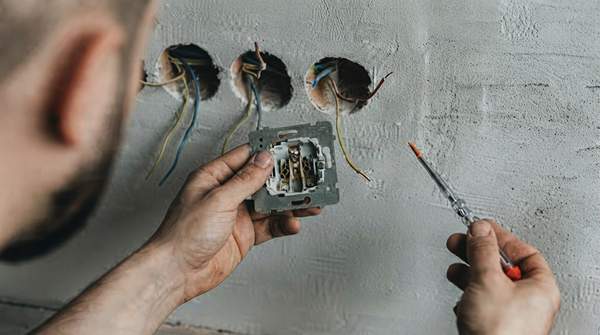
NM-B, MC, or Conduit: Choosing the Right Residential Wiring for Each Location
Choosing the right residential electrical wiring—NM-B cable, MC cable, or individual conductors in conduit—depends on the specific location and protection requirements. Understand the key differences, advantages, and limitations of each system to make an informed decision for your home project.

DIY vs. TCS Property Management: When Does a Full-Service Partner Make Financial Sense?
Many do-it-yourself landlords face the hidden costs and complexities of managing rental properties, prompting a shift toward professional partners like TCS Property Management. This article explores when hiring a full-service property manager becomes a financial necessity, considering time, risk, and ROI.

Match Your Water Quality Report to the Right Filter Technology — Not the Other Way Around
Choosing the right home water filter starts with understanding your water quality report and matching identified contaminants to specific filtration technologies. Follow a three-step process: test your water, match contaminants to technology, and decide on whole-house or point-of-use installation.
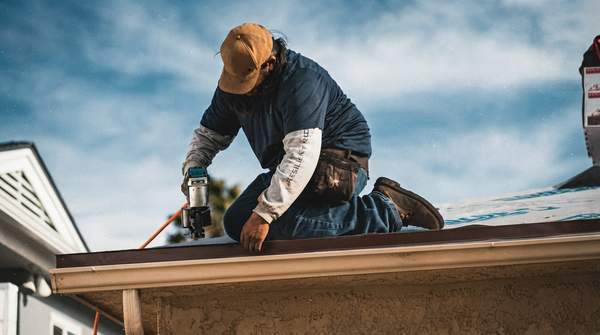
How to Calculate Your Attic's Required Ventilation Area, Step by Step
Learn how to calculate your attic's required ventilation area using the 1 sq ft per 150 sq ft rule, based on building codes. Properly balancing intake and exhaust vents and ensuring clear airflow paths are crucial for effective attic moisture and temperature control.
Five Essential Hand Tools for Basic Homeowner HVAC Maintenance
Learn about the five essential hand tools every homeowner needs for basic HVAC maintenance, including a digital multimeter, screwdrivers, pliers, wrenches, and safety gear. This guide helps you perform common tasks safely and identify when to call a professional.

How the Skilled Trades Shortage Costs the Construction Industry $10.8 Billion a Year
The skilled trades shortage is costing the residential construction industry $10.8 billion annually, primarily due to project delays and increased labor costs. This economic impact stems from a significant deficit in new workers entering the trades compared to those retiring, leading to higher prices for consumers.

Heathrow to Gatwick Means Changing Airports, and TravelThru Offers One Direct Private Ride
Navigating the journey between London's two busiest hubs, Heathrow and Gatwick, requires a reliable and professional transportation solution. TravelThru offers global chauffeur services, specializing in airport transfers…
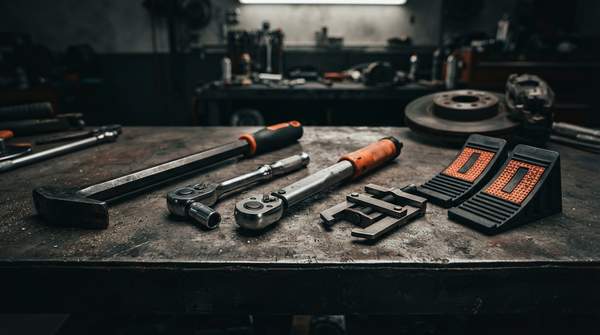
Five Essential Hand Tools for a DIY Brake Job: What Each One Does and How to Stay Safe Using It
Learn about the five essential hand tools for a DIY disc brake job: socket set, breaker bar, torque wrench, caliper piston tool, and wheel chocks. This guide also covers crucial personal protective equipment and safety tips for a successful and safe brake repair.
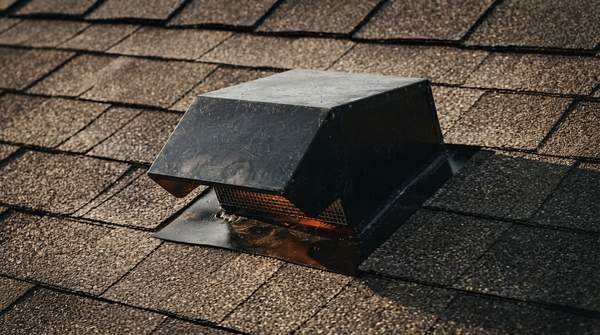
Choosing Roof Exhaust Vents: How to Compare Your Options and Spot a Ventilation Problem
Proper attic ventilation involves pairing the right exhaust vent with adequate soffit intake for your roof design and climate, directly affecting shingle lifespan, AC efficiency, and preventing mold or ice dams.
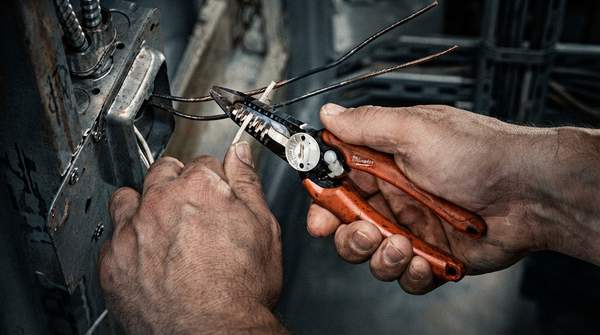
Manual or Self-Adjusting? How to Pick the Right Wire Stripper for Your Electrical Work
Choosing between manual and self-adjusting wire strippers depends on your specific electrical work needs, balancing precision and control against speed and efficiency. This guide helps you select the right tool based on task frequency, wire types, and essential features.
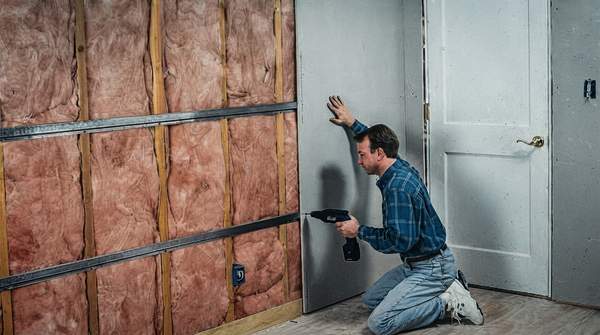
STC vs. NRC: The Two Ratings That Decide Which Soundproofing Material Your Home Project Needs
Understanding the difference between Sound Transmission Class (STC) for blocking noise and Noise Reduction Coefficient (NRC) for absorbing sound is crucial for effective home soundproofing. Choosing materials based on whether your goal is to keep sound out or tame echo within a room ensures the right acoustic solution.