What Are Advanced Automotive Diagnostic Tools Beyond OBD-II?

Fleet case studies project that by 2025, the adoption of AI and machine learning in automotive diagnostics could reduce vehicle downtime by up to 25%, according to Coherent Market Insights .

LO
Luis Ortega

June 17, 2026 · 4 min read

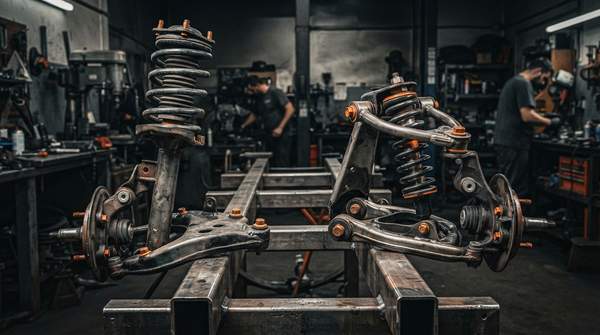
Futuristic automotive workshop with holographic diagnostic data streams and technicians using advanced tools on a modern car.

Fleet case studies project that by 2026, the adoption of AI and machine learning in automotive diagnostics could reduce vehicle downtime by up to 25%, according to Coherent Market Insights. This significant reduction means vehicles spend less time in the shop and more time on the road, directly impacting operational costs and customer satisfaction for fleet operators.

Vehicle complexity is rapidly increasing with advanced electronics and software, but the diagnostic tools and service models used by many repair shops remain largely conventional. This growing disparity creates a critical bottleneck, hindering efficient repairs and leading to prolonged downtimes.

As vehicle technology continues its rapid evolution, the widespread adoption of advanced, remote, and AI-powered diagnostic solutions will likely become a critical differentiator for service centers and a necessity for customer satisfaction.

The automotive industry struggles with rising 'No-Trouble-Found' instances and declining 'Fix-First-Visit' rates, KPIT reports. These failures directly extend vehicle downtimes and frustrate customers. As vehicle electronics and software proliferate, traditional diagnostic methods are overwhelmed. This escalating complexity creates significant operational and customer service challenges, forcing shops to either invest in new capabilities or risk losing market share to more advanced competitors.

Beyond OBD-II: The Rise of Remote Diagnostics

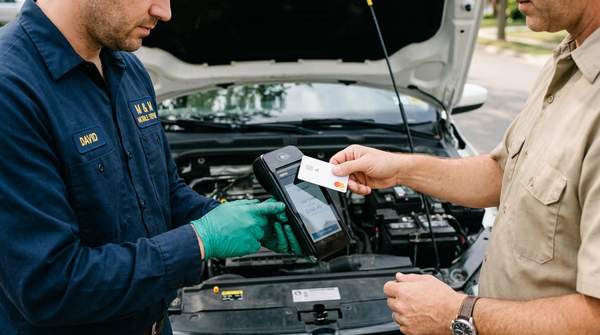
Conventional tools demand physical presence, increasing turnaround times and repair costs, AirPro Diagnostics reports. Remote diagnostics reverse this. In-house technicians focus on repairs. Remote specialists handle complex diagnostics. This model applies specialized expertise efficiently, regardless of location. It directly counters rising complexity and diagnostic failures, allowing shops to outsource advanced diagnostic needs and maintain a competitive edge without extensive in-house training for every new system.

Cutting Costs and Boosting Efficiency

Remote diagnostics cut costs and boost efficiency by eliminating misdiagnosed repairs and unnecessary parts, AirPro Diagnostics states. This extends beyond labor savings. It eradicates the ripple effect of incorrect diagnoses and unneeded components, issues conventional tools cannot address. Preventing costly errors and streamlining diagnostics directly improves financial performance and operational throughput for service centers.

The Future is Predictive: AI and Machine Learning

AI and machine learning adoption accelerates in automotive service. This enables predictive maintenance. It reduces vehicle downtime by up to 25% in 2026 fleet case studies, Coherent Market Insights confirms. This shift moves beyond faster repairs. It directly counters the increasing vehicle downtimes and customer dissatisfaction from conventional methods. AI and machine learning will revolutionize maintenance, shifting from reactive repairs to proactive, data-driven interventions. This enhances reliability and uptime significantly.

Why This Shift Matters Now

Shops clinging to conventional tools erode customer satisfaction through extended turnaround times and higher repair costs, a trend KPIT's findings confirm. The projected 25% downtime reduction by 2025, driven by AI and machine learning, positions the automotive service industry at a critical inflection point. Early adopters will secure a decisive competitive edge in customer retention and operational efficiency. This technology bridges the current diagnostic crisis with potential solutions, transforming reactive service into a proactive, data-driven model. The rapid increase in vehicle complexity and evolving customer expectations make advanced diagnostic solutions not merely an advantage, but a necessity for sector survival and growth.

Common Questions About Advanced Diagnostics

What are the limitations of OBD-II scanners?

OBD-II scanners primarily focus on emissions-related powertrain faults and generic diagnostic trouble codes. They typically lack the capability to access manufacturer-specific codes, diagnose advanced driver-assistance systems (ADAS), or provide deep analysis for complex hybrid and electric vehicle battery management systems. These deeper analyses often require proprietary OEM software or specialized aftermarket tools.

What tools are used for deep automotive system analysis?

For deep automotive system analysis, professional mechanics utilize tools beyond standard OBD-II scanners. These include specialized OEM diagnostic software, high-resolution oscilloscopes for analyzing electrical waveforms, thermal imaging cameras for identifying component hotspots, and programming interfaces for module flashing and calibration. These tools allow for precise fault isolation in intricate electronic systems.

How do professional mechanics diagnose complex car problems?

Professional mechanics diagnose complex car problems by combining advanced diagnostic tools with structured troubleshooting methodologies. They often start by reviewing vehicle history and customer complaints, then use advanced scan tools to pull comprehensive diagnostic trouble codes, and follow up with guided diagnostics, circuit testing with multimeters, and waveform analysis using oscilloscopes. This multi-faceted approach ensures thorough problem identification.

The Road Ahead for Automotive Service

The cost of inaction for repair shops extends beyond immediate lost revenue. It creates a compounding cycle of inefficiency and eroding customer trust. As AirPro Diagnostics confirms, remote diagnostics eliminate misdiagnosed repairs and unnecessary parts. This directly translates to maintaining customer confidence and operational integrity in a rapidly evolving market. The future of automotive service hinges on embracing these technological shifts, ensuring both operational excellence and sustained customer satisfaction in an increasingly complex vehicle landscape.

By Q3 2026, many independent repair shops that have not integrated advanced diagnostic solutions will likely experience a noticeable decline in complex repair volume due to their inability to efficiently service modern vehicles.