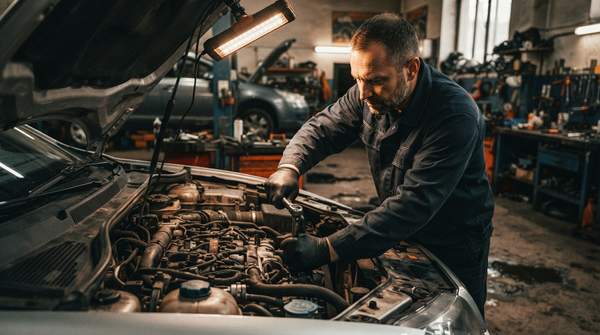
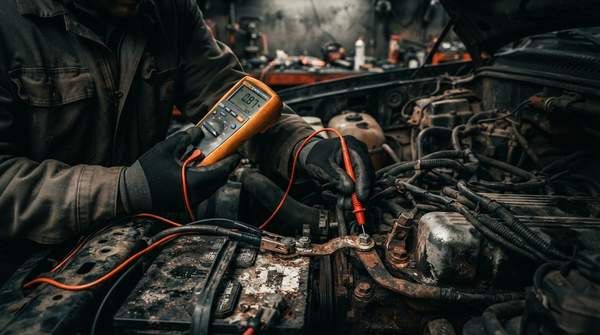
Ford CEO Jim Farley recently warned that modern vehicle repairs are too complex for consumers, citing safety risks. Despite this, the House Energy and Commerce Committee passed legislation forcing automakers to open repair access. This legislative push acknowledges vehicle owners are losing control over their property, impacting millions.
Automakers claim modern repairs are too complex and risky, yet they resist legislative efforts to provide independent shops with necessary diagnostic information and tools. This creates a direct conflict between stated safety concerns and practices that restrict competition.
If current trends continue, consumers face a repair oligopoly, leading to higher prices and reduced service options, unless robust Right to Repair legislation is universally adopted and enforced. Automaker strategies are reshaping the automotive repair landscape, particularly impacting independent shops by 2026.
Automakers, according to The Drive, may intentionally complicate repairs with proprietary parts, creating barriers for non-factory service. This strategy channels consumers toward dealership service centers, impacting independent shops by 2026. Manufacturers consider diagnostic information proprietary, a key factor opposing Right to Repair, as reported by Car and Driver. This stance, often framed as safety, creates a closed maintenance ecosystem, limiting consumer choice and stifling independent businesses. It also questions vehicle ownership rights as repair information becomes restricted, affecting the competitive landscape.
The Legislative Pushback Against Automaker Control
The House Energy and Commerce Committee passed the “Motor Vehicle Modernization Act” (H.R. 7389), aiming to make the 2014 Memorandum of Understanding (MOU) binding and enforceable by the Federal Trade Commission (nada). This move challenges automakers' de facto repair monopoly, which The Drive argues drives independent mechanics out of business and inflates consumer costs.
Federal intervention shows automakers' voluntary repair access commitments were insufficient. The FTC is directed to study repair issues and report by 2030, suggesting widespread change for consumers and independent shops remains years away. The EPA Administrator is also tasked with providing "freedom to fix" guidance within 30 days (whitehouse). These actions confirm the problem's recognition, but the long FTC timeline and need for federal enforcement underscore manufacturers' deep resistance to relinquishing control over repair data and tools.

Automakers' Justifications: Safety, Complexity, and Investment
Automakers cite vehicle complexity and safety for restricting repair access. Ford and Bloomberg Philanthropies invested $5 million in Detroit Public Schools' auto technician program (The Drive). This investment, while boosting workforce development, occurs as automakers face accusations of intentionally complicating repairs with proprietary parts. This dual approach suggests automakers either control the training narrative while maintaining repair monopolies or acknowledge a skill gap exacerbated by their restrictive practices.
A further barrier is the slow, year-long certification process for aftermarket parts by the California Air Resources Board (CARB) (whitehouse). This lengthy approval limits alternatives for mechanics and consumers, reinforcing dependence on manufacturer-approved components. Automakers use proprietary diagnostic information and slow aftermarket parts certification (Car and Driver, whitehouse) to corner the repair market. These actions appear to be a strategic effort to control the lucrative post-sale service market, rather than solely a response to complexity or safety.
The Erosion of Independent Service and Consumer Choice
Automakers' actions to limit repair access threaten independent shops. If repairs shift to dealerships, independent mechanics face economic pressure, potentially driving many out of business (The Drive). This consolidation would create a repair oligopoly, where a few players dictate pricing and service. Reduced competition means higher costs, fewer service options, and less incentive for efficiency or innovation. The erosion of independent repair concentrates power and profit within manufacturer networks, stifling innovation and raising concerns about long-term vehicle ownership affordability and accessibility.
The Future of Automotive Repair: A Precarious Balance
The struggle for repair access creates a precarious future. Donald Trump pardoned Troy Lake, a diesel mechanic sentenced for emissions tampering (Autoweek). This pardon exposes a conflict between stringent environmental regulations and the economic realities of mechanics and consumers seeking affordable repairs. Complex regulations, combined with restricted access to repair information and parts, can push independent mechanics into difficult situations. Legal and economic pressures on independent mechanics, like Lake, make the future of diversified automotive service precarious. For consumers, stakes are high: increased repair costs and fewer choices. For independent shops, survival hinges on legislative clarity and enforcement.
Given the FTC's 2030 reporting timeline (nada), widespread, meaningful change for consumers and independent shops appears to be a distant prospect, likely ensuring continued consolidation and struggle for local repair businesses for years to come.