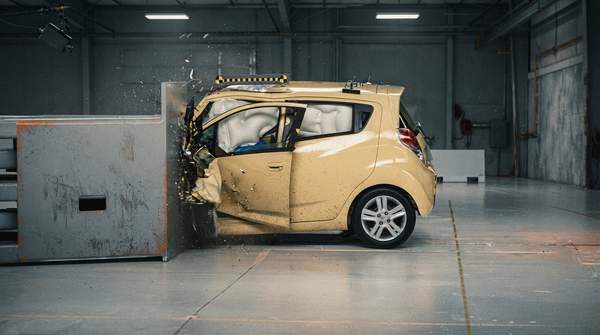
By September 2029, every new passenger vehicle in the U.S. must include Advanced Emergency Braking (AEB) systems. This mandate from the NHTSA will fundamentally change how cars stop, requiring vehicles to automatically detect and respond to imminent collisions without driver input. This regulatory push forces the automotive industry to rapidly integrate sophisticated stopping technologies, ensuring enhanced safety on the roads.
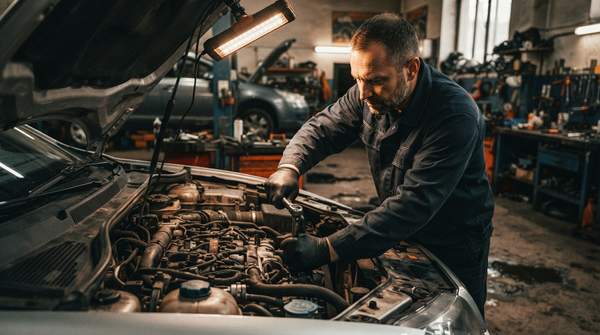
Government mandates for universal advanced safety features like AEB are pushing the envelope of vehicle technology. However, the underlying electro-mechanical braking systems are becoming significantly more complex and expensive to service. This creates a tension between the societal benefit of enhanced safety and the practical realities of increased vehicle ownership and repair costs for consumers. The evolution of these systems demands new skill sets from technicians and specialized diagnostic equipment.
The automotive industry is trading traditional mechanical simplicity for advanced electronic control. This shift will likely lead to a future where brake maintenance is less about simple pad changes and more about sophisticated software diagnostics and specialized component replacement, directly increasing overall vehicle ownership costs. For the 2026 model year, several manufacturers will introduce Electro-Mechanical (all electric) brakes in certain applications. Yet, most 2026 systems will retain Electro-Hydraulic Brake-By-Wire systems on the front, according to industry diagrams. A more complex, phased evolution of braking technology than a clean, immediate switch to fully electric systems is indicated. The hybrid approach, blending hydraulic power with electronic control, introduces an interim period of even greater system complexity and potential diagnostic challenges.
The Current Cost of Stopping: Standard Brake Maintenance
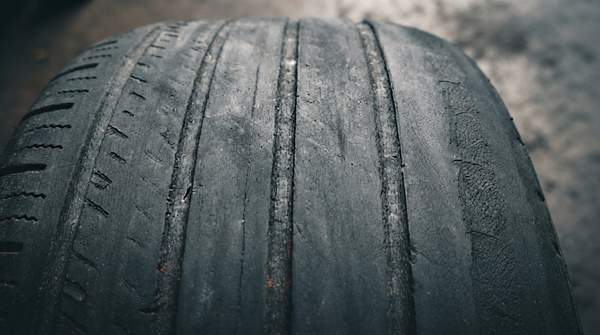
Brake pads, essential friction components, typically last between 30,000 to 50,000 miles or 40,000 to 100,000 kilometers, depending on factors like driving habits, vehicle weight, and the frequency of hard stops. When these critical components wear out, their timely replacement becomes necessary to maintain vehicle safety, responsiveness, and overall stopping performance. Routine service is a consistent and expected expense for vehicle owners throughout their vehicle's lifespan.
The average cost for a brake pad replacement ranges from $320 to $379 per axle, according to Car Medics Autowerks. This figure typically encompasses the cost of new pads and the labor required for installation. Beyond just pads, a comprehensive brake job often includes inspecting or replacing rotors, which can add significantly to the total cost, especially if they are heavily grooved or warped. Labor costs for brake pad replacement alone typically fall between $120 and $177 per axle for a typical vehicle, reflecting the time and expertise involved in disassembling, inspecting, and reassembling the braking components. Routine brake maintenance, while essential for safety, already represents a significant and recurring expense for vehicle owners, setting a baseline against which the future costs of advanced braking systems will be measured.
Commercial Vehicles: Where Braking is a Matter of Law
Commercial vehicles operate under exceptionally stringent braking regulations to ensure public safety, given their size and potential for severe impact. For instance, a bus with air pressure below 60 PSI, or one operating with an inoperable air pressure gauge, is immediately considered out of service by the FMCSA. These specific pressure thresholds and operational requirements are designed to prevent vehicles with compromised braking capabilities from even starting a journey on public roads, mitigating significant accident risks.
Furthermore, any pressure loss exceeding 3 PSI per minute in a bus air brake system constitutes a DOT out-of-service violation, according to the FMCSA. Such precise regulations underscore the critical importance of maintaining impeccable air brake integrity in heavy-duty transport, where brake failures can have catastrophic consequences. The severe penalties and immediate operational cessation for commercial vehicle brake system deficiencies highlight the non-negotiable importance of robust and compliant braking for public safety and operational legality. This strict regulatory environment for commercial vehicles offers a compelling preview of the increasing scrutiny and technical demands passenger vehicle braking systems will face as they become more electronically integrated and subject to advanced safety mandates.
The Global Brake Market: A Growing Economic Force
The global automotive brake system market was valued at USD 53.7 Billion in 2025, reflecting a substantial industry dedicated to vehicle stopping power. This market is projected to grow substantially, reaching USD 77.8 Billion by 2034, according to imarcgroup. Significant growth indicates a robust expansion in the demand for advanced brake components and sophisticated braking technologies across the automotive sector.
The automotive brake system market is projected to exhibit a Compound Annual Growth Rate (CAGR) of 4.08% during the forecast period of 2026-2034, reports imarcgroup. This steady increase is not solely driven by new safety mandates but also by the increasing global vehicle population, the demand for higher-performance vehicles, and the inherent complexity of integrating advanced driver-assistance systems (ADAS) with braking functions. The market expansion reflects ongoing technological advancements, including the shift towards electro-mechanical and brake-by-wire systems, and the rising production of vehicles worldwide. The significant and projected growth of the global brake system market underscores the increasing demand for advanced braking solutions, driven by technological evolution and expanding automotive sectors worldwide. This market expansion also points to the lucrative opportunities for suppliers who can adapt to the mandates for advanced features like AEB, while also posing challenges for smaller manufacturers and repair networks.
The Extreme Demands on Your Brakes
Braking systems endure immense physical stresses during everyday driving and especially in emergency situations. The act of stopping a moving vehicle transforms kinetic energy into heat through friction, placing extraordinary demands on the brake components. For example, the pads on a smaller car traveling at 60 miles per hour can reach approximately 450 degrees Fahrenheit during an emergency stop, according to MJ Auto RV. This extreme heat generation, occurring in a matter of seconds, tests the limits of the materials used in brake pads, rotors, and calipers, pushing them to their thermal endurance.
Such high temperatures require brake components to be made from robust materials capable of dissipating heat quickly and resisting wear under extreme pressure. Brake fade, a reduction in braking power due to excessive heat, can occur if components cannot manage this thermal load effectively. The repeated cycles of intense heating during braking and subsequent cooling contribute to material fatigue, thermal cracking, and wear over time, directly impacting the lifespan and performance of the entire system. The extreme temperatures generated during emergency braking illustrate the immense physical demands placed on a vehicle's stopping system, underscoring the need for robust design, advanced materials, and precise engineering. This inherent stress will only compound as braking systems become more electronically integrated and precise, requiring even more sophisticated thermal management solutions.
Frequently Asked Questions About Modern Braking
What are the signs of a failing brake system in 2026?
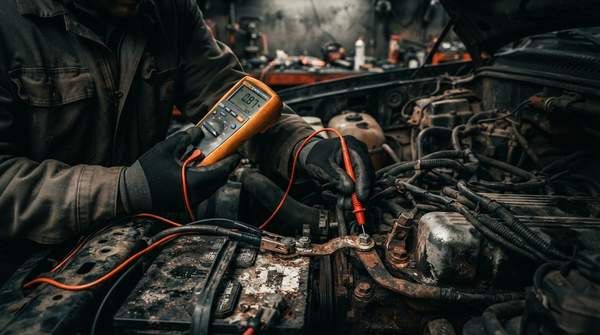
Modern vehicle braking systems, especially those with Electro-Hydraulic Brake-By-Wire components, may show specific failure signs beyond traditional squealing. Drivers might notice inconsistent pedal feel, unusual dashboard warning lights related to braking or stability control, or a vehicle pulling to one side during braking. These symptoms often indicate issues with electronic sensors, control modules, or hydraulic pressure regulation that require specialized diagnostic tools.
How often should modern car brakes be serviced?
While traditional brake pads might last 30,000 to 50,000 miles, modern braking systems, including regenerative braking in electric vehicles, require regular inspections at least annually or every 10,000 to 12,000 miles. These inspections should check not only pad and rotor wear but also the health of electronic sensors, wiring harnesses, and fluid levels in electro-hydraulic systems. Early detection of minor issues in complex systems can prevent more costly repairs down the line.
How do ABS and regenerative braking systems work?
Anti-lock Braking Systems (ABS) prevent wheels from locking up during hard braking by rapidly pulsing brake pressure to individual wheels, allowing the driver to maintain steering control. Regenerative braking, common in electric and hybrid vehicles, converts kinetic energy back into electrical energy during deceleration, charging the battery and reducing wear on mechanical brake components. These systems work in tandem with conventional systems.nal friction brakes, often requiring sophisticated software to manage their combined operation for optimal stopping power and energy efficiency.
The Road Ahead: Smarter, Safer, Costlier Stops
The automotive industry's trajectory towards advanced braking systems ensures enhanced safety features for consumers, a primary goal of regulatory bodies. Mandates like the 2029 AEB requirement are the primary drivers of this rapid technological evolution. However, this shift from purely mechanical to complex electro-mechanical systems also introduces significant challenges for vehicle owners and the entire automotive service industry, particularly independent repair shops.
Companies failing to invest in comprehensive training for their technicians, specifically in complex Electro-Mechanical and hybrid Electro-Hydraulic Brake-By-Wire systems, risk being left behind in a rapidly advancing market. The automotive brake system market surges towards $77.8 billion by 2034, driven by mandatory AEB adoption, according to imarcgroup. This substantial market growth demands a highly skilled workforce capable of accurately diagnosing, repairing, and calibrating these sophisticated, interconnected components. Independent shops, in particular, face a steep investment curve for new diagnostic tools and specialized training.
Consumers should brace for significantly higher vehicle maintenance costs in the coming years. While current brake pad replacements average around $320-$379 per axle, according to Car Medics Autowerks, the mandated shift to complex, advanced braking systems will introduce entirely new, more expensive repair categories. These categories will redefine routine service, moving beyond simple friction component changes to include sensor replacements, software updates, and the diagnostics and replacement of specialized electronic control modules. By 2026, many vehicles will incorporate these advanced systems, requiring technicians to master new diagnostic protocols and repair techniques to service them effectively, impacting both repair times and costs. The shift represents a clear win for automotive technology developers and safety regulators, but a potential financial burden for consumers and a significant training challenge for independent repair shops.