How to Troubleshoot Vehicle Electrical Systems with Basic Tools

A 12-volt test light, an essential tool for diagnosing electrical failures, costs under $10.

LO
Luis Ortega

April 20, 2026 · 3 min read

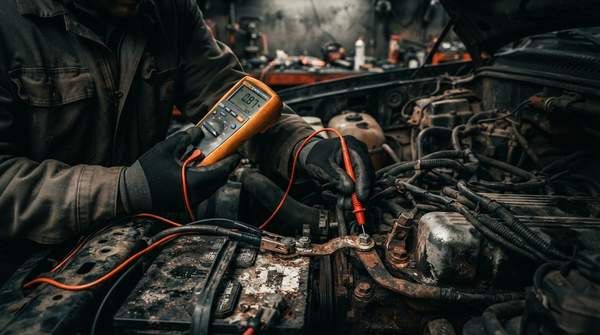
Mechanic's hands using a 12-volt test light to diagnose a vehicle's electrical system, showcasing essential tools for automotive repair.

A 12-volt test light, an essential tool for diagnosing electrical failures, costs under $10. This simple device offers a surprisingly affordable entry point for pinpointing complex automotive issues, providing immediate feedback on circuit presence. Many technicians believe advanced electrical diagnostics demand expensive equipment, yet the most essential tools are often the cheapest and most effective. Therefore, technicians who master fundamental, low-cost diagnostic tools will troubleshoot vehicle electrical systems with greater efficiency and success, saving significant time and money for their shops and clients. This foundational approach remains critical for automotive professionals.

Beyond the Scan Tool: The Power of Basic Diagnostics

Volt/Ohm meters, critical for precise electrical system diagnostics, are available from under $20. These versatile devices measure voltage, resistance, and continuity, providing crucial fault data. This contrasts sharply with engine diagnostic meters, which typically cost at least $50, according to grassrootsmotorsports. While advanced engine diagnostic meters offer specific data stream analysis, they do not replace a multimeter's fundamental electrical troubleshooting capabilities. Technicians overspending on advanced diagnostic equipment miss a key truth: effective vehicle electrical system repair, as grassrootsmotorsports confirms, hinges on mastering sub-$20 tools, not costly scanners. Interpreting readings from these basic tools underpins all successful electrical repairs, offering a direct path to diagnosis that complex scanners often obscure.

Systematic Checks: Preventing and Pinpointing Voltage Drop

Regular electrical system checks, proper accessories, and clean equipment are crucial to avoid voltage drop, as Fluke highlights. Technicians must systematically inspect connections, battery terminals, and wiring harnesses for corrosion or damage. Preventing voltage drop ensures all components receive their intended power, preserving system operational integrity. Proactive maintenance and meticulous attention to detail in routine checks prove more effective for preventing and diagnosing electrical issues than reactive, complex repairs. The industry's focus on high-tech solutions often overlooks a foundational truth: consistent preventative checks and basic maintenance are as vital as any tool in preventing costly voltage drop issues. This systematic approach forms the bedrock of reliable vehicle electrical system troubleshooting, often revealing problems before they escalate into complex failures.


Repair, Don't Rewire: Maintaining Circuit Integrity

Repairing a faulty factory circuit is generally superior to rewiring it, as grassrootsmotorsports advises. Complete rewiring introduces new variables, complicates future diagnostics, and deviates from original equipment manufacturer specifications. Targeted repairs identify and rectify the specific point of failure, preserving the original system's integrity and design. This approach ensures system reliability and proves more efficient than extensive rewiring. Ignoring grassrootsmotorsports' counsel to repair factory circuits for rewiring is a costly shortcut; it signals a failure to diagnose root causes and a preference for temporary fixes over true electrical integrity. Technicians must prioritize understanding the original circuit path to implement precise, lasting solutions, thereby avoiding unintended consequences and maintaining vehicle value.

Continuous Learning and Community Support

What are the common components of a vehicle's electrical system?

A vehicle's electrical system includes the battery, which stores energy, and the alternator, which generates power. Other critical parts are the starter motor, responsible for engine cranking, the extensive wiring harness, and protective components like fuses and relays. Each element plays a vital role in power generation, storage, distribution, and protection throughout the vehicle's operation, forming the foundation for all electrical functions.

Where can automotive technicians find advanced electrical diagnostic support?

Experienced automotive repair professionals can find advanced diagnostic discussions and support through specialized online forums. For instance, Iatn hosts a forum exclusively for experienced technicians, with membership required for access. These platforms offer opportunities to share complex cases and learn from peers' collective knowledge and troubleshooting experiences. Engaging with such communities provides a critical edge, allowing technicians to leverage collective expertise for problems that defy individual solutions and to stay ahead of evolving vehicle technologies.

The Enduring Value of Foundational Skills in an Evolving Industry

The automotive landscape, particularly with the rise of electric vehicles, will continue its rapid evolution. Yet, the principles of current flow, voltage drop, and resistance will remain universal across all vehicle platforms. Therefore, mastering fundamental tools like the sub-$10 test light and sub-$20 multimeter appears likely to remain more impactful than relying solely on expensive, complex equipment. These affordable tools provide direct, unambiguous data, enabling technicians to troubleshoot vehicle electrical system components effectively, regardless of powertrain. Proficiency with these essential tools will likely solidify as a core competency for automotive professionals, ensuring effective troubleshooting and preventing costly misdiagnoses well beyond 2026.