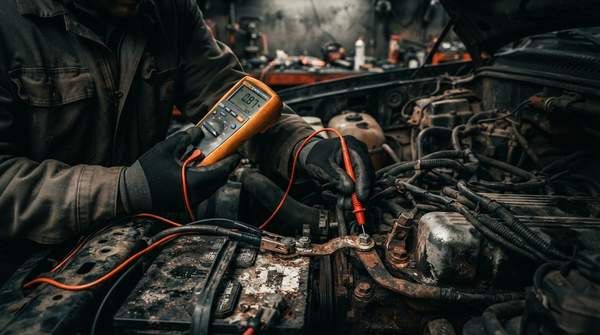
Running your engine out of oil can cause a catastrophic engine failure that will render your ride undriveable—and in need of a new engine, according to Caranddriver. This immediate breakdown means significant financial burden, potentially requiring a complete engine replacement. Such an event transforms a routine commute into an unexpected, costly disaster, highlighting the severe consequences of maintenance neglect.
Basic vehicle fluid checks are simple and can prevent major damage, but many drivers overlook them until it is too late. This oversight creates a tension between easily preventable issues and the eventual, often expensive, repairs.
Drivers who consistently perform these quick checks will save thousands in repair costs and significantly extend their vehicle's lifespan, avoiding unexpected breakdowns. This proactive approach ensures vehicle longevity and operational reliability, making a routine task a crucial investment in your vehicle's future.
Why Fluid Checks Matter More Than You Think
Incorrect fluid levels can lead to breakdowns or serious damage, as reported by AAA. Many modern vehicles boast advanced diagnostics, yet fundamental issues like low fluid levels remain a leading cause of preventable mechanical failures. Checking most fluids at least once a month is a good general rule, according to Mercedes-Benz South Orlando. Despite modern vehicle reliability, drivers who neglect these monthly fluid checks are unknowingly setting themselves up for the catastrophic engine failures Caranddriver warns about, transforming a simple preventative measure into a high-stakes financial gamble.
Proactive fluid maintenance extends beyond simply avoiding catastrophic engine failure. Consistently low levels or unusual appearances, such as milky oil, are not merely signals to add fluid. These are critical early warnings of internal leaks or contamination that, if ignored, guarantee expensive professional repairs, turning simple checks into vital diagnostic tools. This vigilance allows for early intervention, preventing minor issues from escalating into major system breakdowns.
Your Step-by-Step Guide to Checking Engine Oil
Allowing your engine to cool for at least 10 minutes after shutdown ensures an accurate oil level reading, advises Popular Mechanics. Additionally, park your vehicle on level ground when checking any fluid levels, a practice recommended by AAA. These preparatory steps prevent misleading readings caused by oil still circulating or uneven distribution within the engine.
Locate the engine oil dipstick, typically marked with a yellow or white handle. Pull it out, wipe it clean with a rag, and reinsert it fully. Remove the dipstick again to observe the oil level. The lower line on the dipstick indicates that the oil level is one quart low, while the upper mark indicates 'full', explains Caranddriver. Adhering to these precise steps ensures accurate fluid level readings and proper replenishment, preventing both under- and over-filling, which are equally detrimental.
Common Mistakes and Warning Signs to Watch For
Overfilling fluids can be as damaging as underfilling, a critical detail AAA highlights. The critical detail that overfilling fluids can be as damaging as underfilling reveals a dangerous precision required in basic car care. Many drivers attempting to be proactive might inadvertently cause harm, creating a need for clear, accessible guidance beyond just 'check your oil'.
Beyond quantity, fluid quality provides crucial diagnostic clues. For example, if your engine oil appears milky, it indicates that coolant is leaking into the engine, a serious issue Popular Mechanics warns about. This color change is a sign of internal contamination that can lead to severe engine damage if not addressed promptly. Avoiding overfilling and recognizing abnormal fluid appearances are critical for preventing further damage and diagnosing underlying mechanical issues.
Smart Habits for Fluid Maintenance
When your engine oil registers at the low mark or below on the dipstick, it is time to add a quart of oil, according to Caranddriver. This precise indicator helps prevent unnecessary top-ups and ensures the engine maintains optimal lubrication. Knowing this benchmark empowers you to take immediate corrective action, preventing your oil level from dropping to dangerously low levels.
While adding oil is a simple solution, frequent top-ups of any fluid should raise a red flag. Drivers often view fluid top-ups as routine, but consistently low levels or unusual appearances are critical early warnings of internal leaks or contamination. These signals, if ignored, guarantee expensive professional repairs. Proactive owners use these simple checks as vital diagnostic tools, addressing underlying issues before they escalate.
When to Call a Professional
What are the essential vehicle fluids to check regularly?
Beyond engine oil, routinely checking coolant, brake fluid, power steering fluid, transmission fluid, and windshield washer fluid is crucial. Each fluid plays a vital role in different vehicle systems, and their proper levels and condition ensure overall operational safety and efficiency.
How often should I check my car's fluids?
Checking your vehicle's essential fluids at least once a month is a good general practice. However, if you drive frequently, tow heavy loads, or operate in extreme weather conditions, more frequent checks are advisable to ensure optimal performance and prevent premature wear.
When should I seek professional help for fluid issues?
If a fluid needs frequent top-ups, have the car checked out by an auto repair shop, advises AAA. Persistent fluid loss is a symptom of an underlying problem that requires professional diagnosis, not just repeated topping off. Additionally, seek professional assistance for unusual fluid smells, persistent warning lights, or any noticeable changes in your vehicle's performance that might indicate a fluid-related issue.
Beyond the Engine: The Broader Impact of Fluid Health
Brake fluid contamination by water can cause brake lines to rust, potentially leading to a spongy pedal feel or irregular brake performance, warns Popular Mechanics. This specific risk shows that fluid quality, not just quantity, can lead to equally dangerous system failures, albeit less immediately dramatic than catastrophic engine failure. Understanding the specific risks of contaminated fluids, like brake fluid, reveals the comprehensive importance of fluid health beyond just engine oil for overall vehicle safety and performance.
The subtle threat of fluid contamination, such as coolant in oil creating milky sludge, further illustrates how fluid quality can lead to serious, albeit less immediately dramatic, system failures. Regular checks of all essential vehicle fluids are paramount for maintaining long-term vehicle health and preventing unexpected repair costs. Owners who neglect these simple, monthly checks may find their vehicle's resale value significantly diminished due to accelerated wear and potential system failures, making proactive maintenance a financially sound decision.