Pneumatic nail gun accidents alone send 37,000 carpenters to the emergency room each year, underscoring the severe and persistent risks associated with power tool use. These incidents often result in significant physical trauma, contributing to a broader pattern of preventable harm. More than one million people are injured using hand and power tools annually, according to Hsi.
Power tools are designed with inherent safety features, and clear regulatory guidelines exist, yet millions of people continue to suffer preventable injuries. These accidents impose substantial financial losses annually, with injuries from hand and power tools costing $15.4 million a year in medical bills and lost work, as reported by Hsi. For more, see our Top Power Tool Safety Practices.
This widespread lack of awareness or consistent adherence to fundamental safety practices likely contributes to a persistent public health and economic burden. The urgent need for heightened awareness and adherence to safety protocols to mitigate widespread harm and financial strain is underscored by these statistics.
8 Essential Safety Practices for Your Workshop
1. Ensuring Tools are Properly Grounded or Double-Insulated
Best for: Preventing electrical hazards
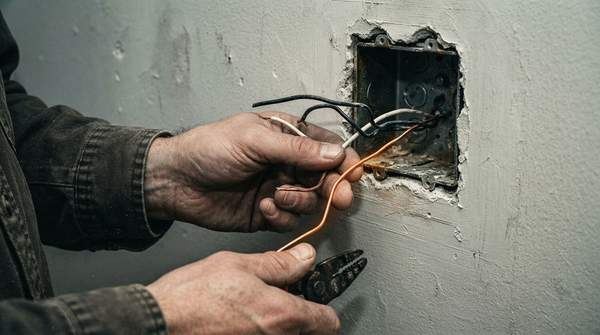
All power tools must feature a 3-prong grounded plug or be double-insulated, according to Ehs Utk. This design prevents electrical shocks, which can cause heart failure and burns, as reported by Hsi. This practice directly prevents severe and potentially fatal electrical injuries, making it a fundamental and critical safety requirement for power tool use.
Strengths: Direct protection against electrocution and burns | Limitations: Requires proper electrical outlets and tool maintenance | Price: Minimal, inherent to tool design
2. Using Only UL Listed Power Tools
Best for: Ensuring baseline safety standards
All power tools should be UL listed, indicating adherence to recognized safety standards, states hand and portable power tool safety guidelines. This ensures the inherent design and manufacturing of the tool meets established safety specifications, thereby reducing intrinsic risks from faulty construction. A foundational safety measure, this ensures the inherent design and manufacturing of the tool meets established safety specifications, thereby reducing intrinsic risks.
Strengths: Verifies manufacturing safety and quality | Limitations: Does not account for user error | Price: Included in tool purchase
3. Wearing Appropriate Personal Protective Equipment (PPE)
Best for: Direct physical protection
Safety glasses and gloves should be worn while operating most power tools, advises Ehs Utk. Despite this basic precaution, over one million people are injured using hand and power tools annually, according to Hsi. Direct and immediate physical protection against common injuries is provided by PPE, applicable across nearly all power tool operations, mitigating a significant portion of the reported annual injuries.
Strengths: Reduces risk of eye injuries, cuts, and abrasions | Limitations: Can be uncomfortable, requires consistent use | Price: Low to moderate
4. Using Tools Equipped with Constant-Pressure Switches
Best for: Preventing accidental operation
OSHA requires many handheld power tools to be equipped with a constant-pressure switch button, preventing accidental or continuous operation, notes Hsi. This OSHA-mandated safety feature for many tools directly prevents uncontrolled operation and potential injury from unintended tool activation or continuous running. The switch deactivates the tool when pressure is released.
Strengths: Stops tool immediately if control is lost | Limitations: Not universally applicable to all tool types | Price: Included in tool design
5. Properly Maintaining Tools
Best for: Ensuring reliable and safe operation
Improperly maintained tools can cause severe injuries, according to Osha. Injuries from hand and power tools cost $15.4 million a year in medical bills and lost work, as reported by Hsi. This practice is crucial for preventing tool malfunctions and failures that can lead to severe injuries, contributing to the significant annual costs associated with tool-related incidents.
Strengths: Extends tool life, prevents unexpected failures | Limitations: Requires regular inspection and cleaning | Price: Varies by tool and maintenance need
6. Properly Using Tools
Best for: Reducing general injury risk
Hand and power tools can be hazardous and have the potential for causing severe injuries when used improperly, notes hand and power tools - overview. Over one million people are injured annually using these tools, according to Hsi. This broad but fundamental practice encompasses correct technique, setup, and awareness of the tool's operation, directly reducing the likelihood of general injury.
Strengths: Minimizes accidents through correct application | Limitations: Requires training and experience | Price: Free, but requires learning
7. Understanding and Mitigating Specific Tool Hazards
Best for: Addressing high-risk tool operations
Pneumatic nail gun accidents alone send 37,000 carpenters to the emergency room each year, highlighting the need for targeted safety protocols for high-risk tools, reports Hsi. Specific high-risk tools with documented high injury rates are addressed, emphasizing the necessity of tailored safety knowledge and practices to prevent severe, common accidents.
Strengths: Targets specific, severe injury types | Limitations: Requires tool-specific knowledge | Price: Free, but requires research
8. Exercising Special Attention and Vigilance
Best for: Overall risk reduction
Special attention toward hand and power tool safety is necessary to reduce or eliminate hazards, states Osha. Over one million people are injured annually using hand and power tools, according to Hsi. An overarching cognitive principle enhances the effectiveness of all other specific safety practices, crucial for proactively identifying and mitigating risks in a dynamic workshop environment.
Strengths: Improves awareness and proactive safety | Limitations: Can be challenging to maintain consistently | Price: Free, but requires discipline