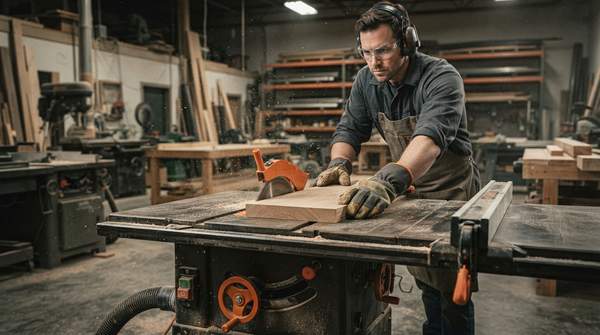
In the last year, nearly two-thirds (64.3%) of workers reported an occupational accident, despite 60% regularly using personal protective equipment, according to PMC. The disconnect between PPE use and injury rates indicates a critical failure: current PPE implementation—specifically hazard assessment, training quality, and equipment oversight—is likely insufficient. This leads to preventable injuries, significant lost productivity, medical expenses, and long-term disability for workers, creating substantial costs for both employees and employers.
Understanding Personal Protective Equipment
Approximately 60% of workers use personal protective equipment (PPE) as a critical barrier against workplace hazards, according to PMC. Employers must provide PPE when other controls are insufficient, states OSHA Education Center. PPE, including hard hats, safety glasses, and gloves, acts as a necessary last line of defense. However, the near-equal rates of PPE usage (60%) and accident occurrence (64.3%) confirm that simply providing equipment is inadequate; its effectiveness is undermined by poor implementation and a false sense of security.
Targeted Defense: Key Types of PPE for Trades
Specific PPE types protect against distinct hazards. Hard hats shield against head injuries from falling objects or electrical risks, notes Great American Insurance Group. Safety glasses and face shields protect eyes from debris and chemicals. Earplugs and earmuffs prevent hearing loss on noisy sites. Safety boots with impact-resistant toes guard against foot injuries. Selecting the correct equipment is vital to mitigate specific risks. However, understanding what PPE protects against often overshadows how it is implemented and maintained, leaving workers equipped but not truly protected from their specific trade risks.
The Employer's Mandate: Hazard Assessment and Provision
Employers must assess workplaces for hazards requiring PPE, states OSHA Education Center. This assessment must identify PPE needs based on exposures and hazards, following the hierarchy of controls, as mandated by the Labor Department. These detailed mandates for hazard assessment and comprehensive PPE training, when contrasted with high accident rates, reveal a systemic failure by employers. Many treat PPE as a mere checkbox, not a shield, turning it from a last line of defense into an often-failed first resort against injuries.